Section
An Omani national suspected in a severe in-flight assault has been identified, raising urgent questions about aviation vetting and security protocols.
The identity of the co-pilot involved in a violent incident aboard Flight FZ1073 has been revealed in media reports, identifying him as Hamam al-Hammami, an Omani national. This revelation comes as investigators scrutinize the circumstances surrounding the attack, which has triggered international concern regarding pilot vetting procedures and aviation security standards.
There is currently no official confirmation from authorities regarding the pilot’s specific identity or his personal beliefs, but multiple sources with knowledge of the situation have provided details to news agencies. According to three individuals, including a Gulf diplomat and a Western diplomat who spoke on condition of anonymity, the suspected individual is al-Hammami. The Gulf diplomat noted that investigations are currently underway to determine whether he acted as a "lone wolf" or if he had any connections to extremist groups.
Al-Hammami’s background has drawn significant scrutiny. US media outlet CNN, citing a source and an Israeli official, reported that al-Hammami is an Omani citizen born in the United Arab Emirates to a Syrian mother, having spent several years in the Emirates. Questions have emerged about his previous aviation career and whether warning signs were raised before he joined the Dubai-based low-cost carrier.
The Wall Street Journal reported on Friday that Omani authorities had previously barred the accused co-pilot from flying in the country due to concerns about alleged extremist views. However, it remains unclear what those specific views were or whether Oman informed other countries or airlines about its concerns. CNN separately quoted a regional diplomatic source stating that al-Hammami had been removed from flight training over similar concerns and was subsequently reassigned to another position.
Further details about al-Hammami’s professional history have also surfaced. CNN reported that a LinkedIn profile bearing his name indicated he spent seven years at Oman Air before leaving in February 2025. The profile stated he joined Royal Air Maroc in June 2025 and left in January 2026. Additionally, it has been confirmed that al-Hammami studied at a UK university. In a statement to the Press Association, a spokesman for Buckinghamshire New University clarified that al-Hammami previously completed a distance-learning course in aviation management but did not undertake any pilot training at the university.
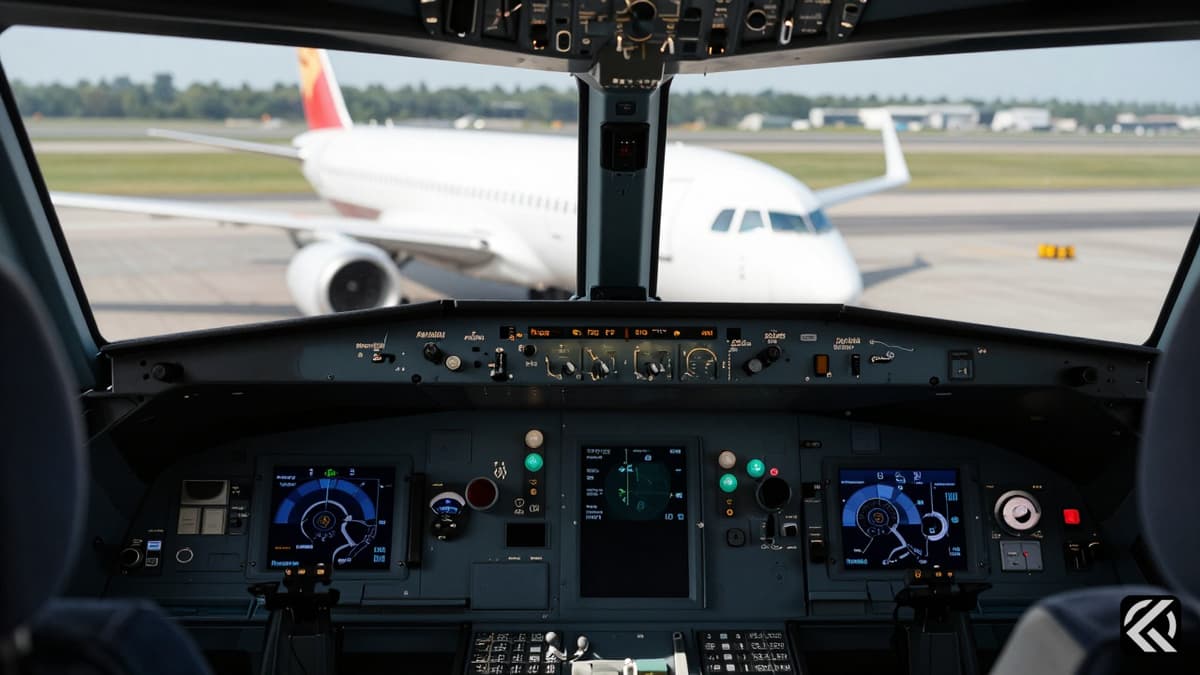
The violence unfolded on Wednesday morning when Flight FZ1073 departed Dubai for Tel Aviv at 7:05 am, climbing to 34,000 feet. A little more than two hours into the flight, the aircraft began a sudden and erratic descent. Flight-tracking data showed the plane plunging more than 17,000 feet in about two minutes before climbing and descending again.
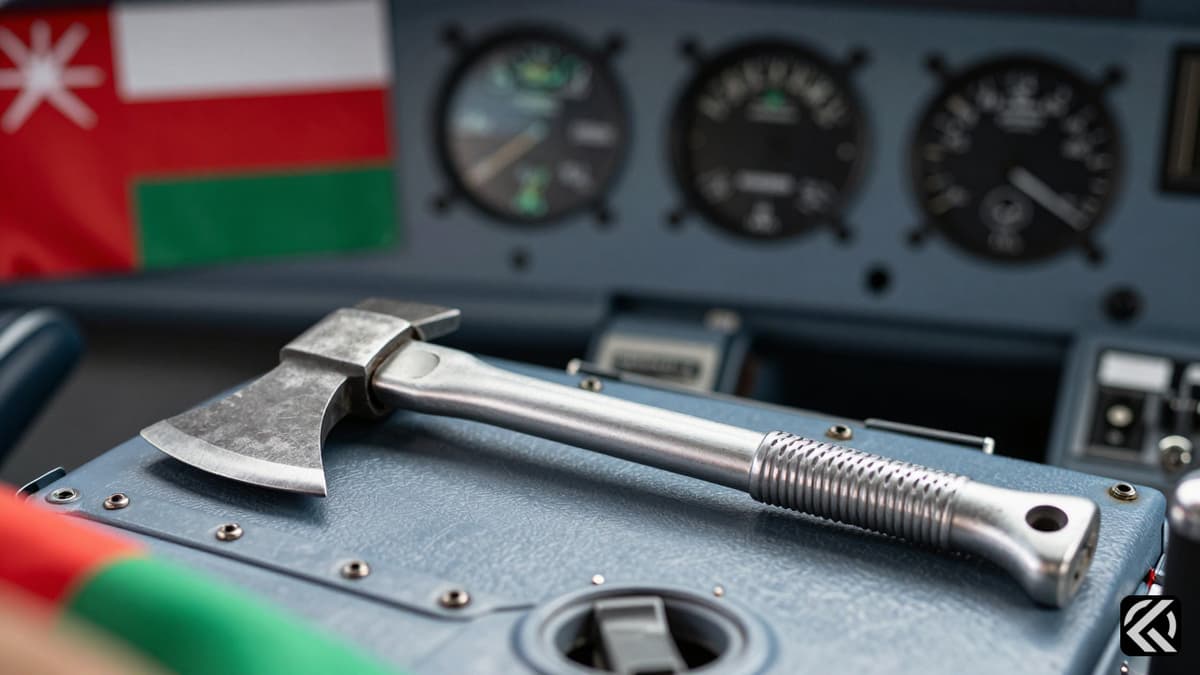
Simultaneously, a fight broke out in the cockpit between the two pilots. The co-pilot attacked Captain Smit Machchhar, an Indian national, using an emergency crash axe. Machchhar later described finding himself seriously wounded on the cockpit floor as the aircraft plummeted.
"When I was down, I could feel that the aircraft was plummeting, and I knew this is the last chance to do something," Machchhar told Indian Prime Minister Narendra Modi from a hospital in Abu Dhabi. "I knew that the aircraft was going down … I had fallen to the ground. I told myself that the door is right there, just open it. I managed to do it and people entered."
Passengers and crew members entered the cockpit, overpowering the co-pilot. The aircraft eventually leveled out at about 15,000 feet, and its transponder was switched to code 7500, signaling unlawful interference. Two reserve pilots who were on board took control of the jet and landed it safely at 9:45 am local time in Tabuk, northwestern Saudi Arabia. Saudi authorities confirmed that both pilots were taken to the hospital and were later transferred to Abu Dhabi after being medically cleared.
The United Arab Emirates has characterized the incident as a serious security breach. On Saturday, UAE Attorney General Hamad Saif al-Shamsi stated that investigators determined the co-pilot had begun carrying out what he described as a "terrorist act." Al-Shamsi explained that the co-pilot attacked the captain inside the cockpit using the aircraft’s emergency crash axe and attempted to take control of the aircraft’s controls. A crash axe is a standard tool kept in a cockpit to help pilots cut through the plane in emergencies.
Al-Shamsi had previously ordered investigators on Thursday to determine whether the incident was connected to "terrorist activity or intent" or involved prior planning or direction. However, the UAE has not yet publicly established a motive or announced whether investigators believe al-Hammami acted alone. Abu Dhabi is now leading the investigation, with prosecutors examining the circumstances, motive, and any possible connections to others.
UAE presidential adviser Anwar Gargash emphasized the broader implications of the event. On Saturday, Gargash posted on X that the attack serves as a warning that the region’s fight against extremism is not over. He stated, "This underscores the importance of the UAE’s early and firm stance: no tolerance for extremism and no leniency towards its rhetoric. Security begins with confronting hatred and drying up the sources of extremism."
Al-Shamsi noted that UAE judicial authorities have jurisdiction over the incident because the aircraft is registered in the UAE and flies under its flag. He added that UAE law applies to crimes committed on board "even if they occur outside the country’s territory." On Saturday, al-Shamsi said investigators are working "to uncover all the circumstances of the incident, its motives, and related connections, in addition to completing technical examinations and examining physical and digital evidence." He promised that final results would be announced as soon as the necessary procedures are completed.
The identification of Hamam al-Hammami as the suspect in the FlyDubai co-pilot attack has ignited immediate debates regarding the efficacy of current aviation vetting systems. With reports confirming that the accused was previously barred from flying in his home country due to extremist concerns, the incident suggests potential gaps in international information sharing among aviation authorities. While UAE officials have labeled the event a "terrorist operation," the lack of confirmed motive and the mystery surrounding any potential external connections highlight the complexities of modern aviation security. As investigations continue in Abu Dhabi, the suspension of Flydubai flights to Israel underscores the immediate operational impact. This case will likely prompt stricter international protocols for cross-border pilot background checks, aiming to prevent similar high-risk situations where vetting failures could compromise flight safety.
Oct 6, 2026 02:48 UTC
Yemen Forces Recapture Mocha in Major Counteroffensive
Oct 6, 2026 00:07 UTC
Teen Loses Hand in French School Protest Clashes Amid Escalating Violence
Oct 5, 2026 22:36 UTC
UAE Shares FlyDubai Crew Data After Pilot Seize Control Attempt
Oct 5, 2026 22:00 UTC
US Withdraws Heavy Bombers From UK Base Amidst Rising Tensions With Iran
Oct 6, 2026 06:46 UTC
Historic Pentagon Firing Squad Execution for Former US Army Major Hasan