Section
The return of New World screwworm to a Texas calf marks a major health threat, raising fears of rising beef prices and livestock losses after 60 years of eradication.
The US Department of Agriculture confirmed Wednesday that a New World screwworm has been detected in a calf in Texas, marking the first confirmed case in animals since the parasite was eradicated in 1966. This discovery signals a critical breach in biological barriers that had kept the flesh-eating parasite at bay for six decades.
The infestation likely traveled from Central America through Mexico before crossing into the United States. In response to the Texas calf outbreak, authorities have established a strict quarantine zone around the affected farm in La Pryor, banning all animal movement to prevent further spread.
Experts warn that this reappearance poses a severe threat to the livestock industry. The parasite, which had been declared eradicated following massive sterile-fly releases, reemerged in Central America and Mexico before reaching US soil. The economic and agricultural implications of this breach are significant.
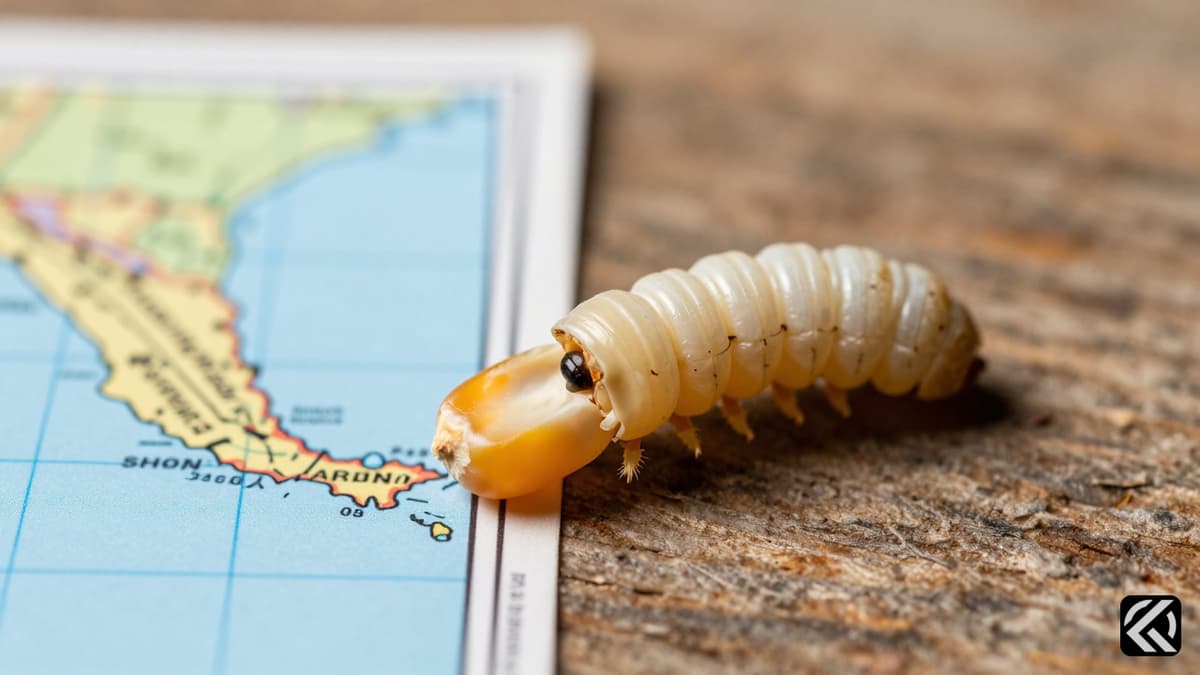
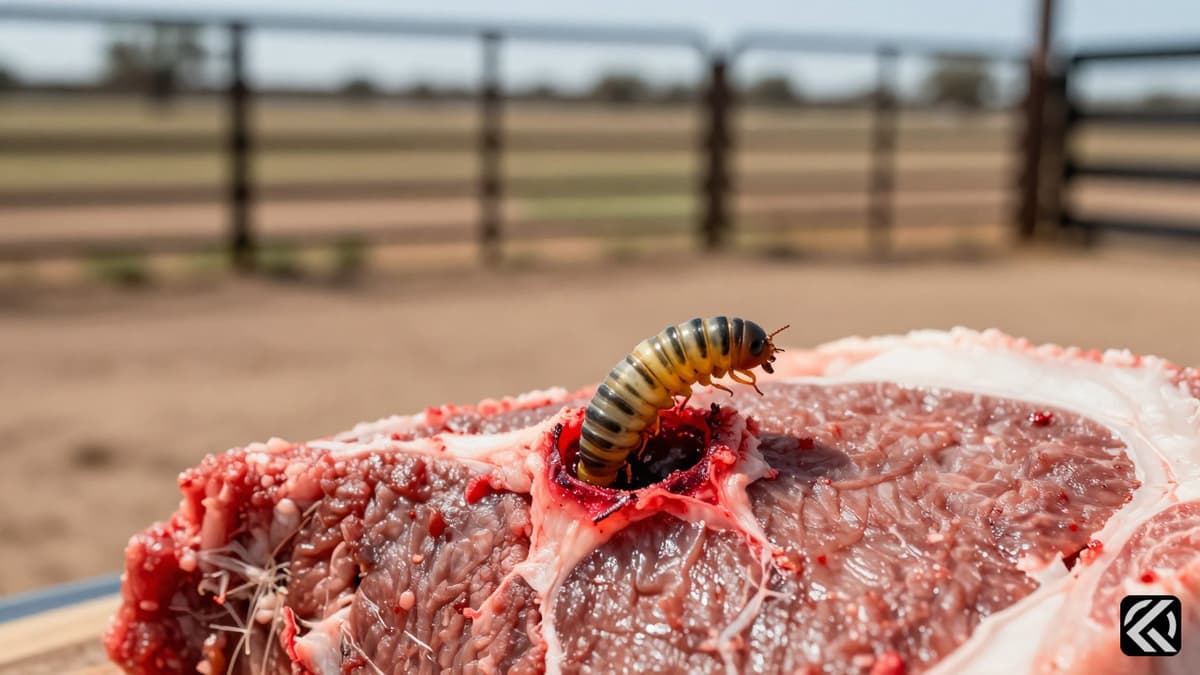
The New World screwworm, scientifically known as Cochliomyia hominivorax, is a parasite derived from the larvae of a specific fly species. Female flies lay eggs in the scratches and open wounds of warm-blooded animals, including livestock and wildlife. The eggs hatch into larvae that burrow into living tissue, causing devastating injuries.
While the parasite primarily targets animals, it can also infect humans. The flies are attracted to the smell of open wounds, including those of newborn calves with unscarred navels or humans. Dr. Timothy Goldsmith, a veterinary medicine professor at the University of Minnesota, noted that homeless individuals may be particularly vulnerable due to lack of hygiene products and medical care. However, humans contracting the parasite remains rare, and infection does not occur through eating inspected, cooked beef.
Last year, the US Centers for Disease Control and Prevention (CDC) investigated the country’s first-ever human case, involving a patient who had traveled from El Salvador to Maryland. That patient reportedly made a full recovery. In Mexico, 41 human cases were confirmed last year, primarily in Chiapas.
The current case involves a three-week-old calf in La Pryor, Texas, located approximately 50 kilometers from the Mexican border. Cheryl Whitehorn, a medical entomologist at the London School of Hygiene and Tropical Medicine, described it as a locally acquired infestation where larvae infested the calf’s umbilical cord.
Screwworm infestations cause painful, progressive wounds as larvae burrow into tissue. Symptoms include open, foul-smelling sores that enlarge rapidly, with visible maggots inside. Affected animals may exhibit weakness, weight loss, and abnormal behavior due to distress. In humans, symptoms range from severe pain and swelling to fever and secondary infections.
Diagnosis is primarily visual, identifying larvae with distinctive dark tracheal tubes and bands of spines. If left untreated, infestations can lead to tissue destruction and death in both animals and humans.
Treatment is labor-intensive and painful. Hundreds of larvae must be manually removed from wounds, which are then disinfected. Antibiotics are often prescribed to control secondary bacterial infections, and pain management may be necessary. In animals, insecticides are used to kill remaining larvae and prevent re-infestation. With thorough care, recovery is possible, but the process is time-consuming.
The economic ramifications of this outbreak extend beyond animal health. Beef prices are already under pressure due to severe droughts that have forced ranchers to shrink herds. The US typically imports more than one million Mexican cattle annually, but imports have been halted for the past year due to the insect’s spread in Mexico.
This suspension has tightened the supply of beef cattle, contributing to record-high beef prices. Mexican cattle are often fed on US farms for five to six months before slaughter. A diminished slaughter rate and reduced supply further elevate costs.
The USDA predicts that an outbreak in Texas could cost the state’s economy $1.8 billion in losses. The US cattle herds are already at a multi-decade low, and high feed costs have compounded the problem. The introduction of screwworm adds another layer of risk to an already fragile supply chain.
The significance of this case lies in its breach of decades of eradication efforts. The parasite was eliminated in the US in 1966 through the massive release of sterile flies. It reappeared in Panama, Costa Rica, Nicaragua, Honduras, Guatemala, Belize, and El Salvador before moving to Mexico in 2023.
Experts attribute the resurgence to a combination of factors, including possible disruptions to sterile-fly programs during the COVID-19 pandemic, increased movement of livestock and people, and favorable weather conditions. Between mid-July and mid-August 2025, Mexico reported a 53 percent rise in animal cases.
Most cattle ranchers no longer have the experience or tools to diagnose and treat screwworm, as decades of eradication have removed the need for such knowledge. The primary control measure remains vigilance, isolation, and treatment of cases.
Long-term control relies on a program of sterile male fly releases, which Cheryl Whitehorn identifies as the best method to eliminate the pest. Quarantine zones and strict movement controls are immediate responses, but sustained effort is required to prevent further spread.
The US Department of Health and Human Services previously reported America’s first human case last August, highlighting the cross-border nature of the threat. With US cattle herds at historic lows and beef prices at record highs, the addition of a flesh-eating parasite poses a compounded risk to agricultural stability.
Ranchers must now navigate not only environmental and economic pressures but also biological threats. The cost of treatment and the potential for widespread infestation could drive beef prices even higher, affecting consumers nationwide. The return of the New World screwworm serves as a stark reminder of the fragility of disease eradication and the need for persistent vigilance in global health and agriculture.
The quarantine in La Pryor represents a critical front in the fight against the New World screwworm. While immediate containment is underway, the broader implications for the US livestock industry are profound. As the parasite continues to move through Central and North America, the interplay between climate, migration, and agricultural policy will determine the extent of future outbreaks.
If sterile-fly programs are not successfully re-established, the risk of recurring infestations remains high. This could lead to sustained reductions in cattle herds and prolonged increases in beef prices. The 60-year hiatus since the last US animal case has left the industry unprepared, making rapid education and response essential. The coming months will test the resilience of both agricultural systems and public health infrastructures against this resurgent threat.
Jun 13, 2026 07:25 UTC
Trump Blames Iran for Attacks on Indian Ships
Jun 13, 2026 04:59 UTC
Abbas Araghchi Details Draft U.S. Deal Amidst Donald Trump's Drone Accusations
Jun 13, 2026 03:39 UTC
Jaishankar Lodges Strong Protest Over US Navy Attacks on Indian Crew
Jun 13, 2026 02:22 UTC
Border Guard Bangladesh Challenges BSF Over Immigrant Pushbacks
Jun 12, 2026 10:42 UTC
KEM Hospital Investigates Sejal Pawar Cadaver Controversy