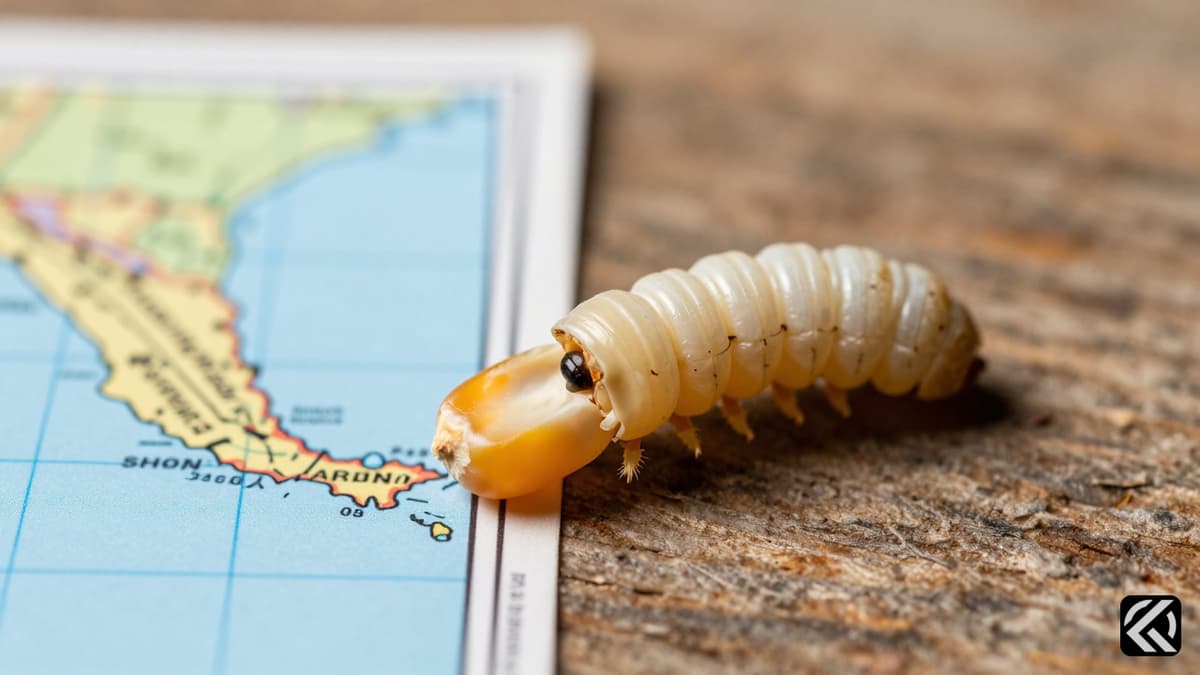
The New World Screwworm has arrived in Texas for the first time in six decades, prompting immediate USDA quarantine measures and sterile insect release operations.
The United States has recorded its first case of a flesh-eating parasite in sixty years. The New World Screwworm was detected in a calf in La Pryor, Texas, marking the first confirmed presence of the species since 1966.
The United States Department of Agriculture (USDA) announced the discovery on Wednesday evening, confirming that the parasite, which had been advancing across Mexico for the past year, had crossed the border. The case was identified in a three-week-old calf, with larvae located in its umbilical area. This detection signifies the end of decades of successful containment efforts, as authorities had been working to delay the arrival of the pest since cases increased in Central America and Mexico.
The arrival of the screwworm poses significant risks to the livestock industry. Cattle ranchers in the region have long feared an outbreak that could shrink herds, reduce beef production, and drive prices higher for consumers. Screwworms are parasitic flies whose females lay eggs in open wounds and mucous membranes on animals. Once the eggs hatch, hundreds of larvae burrow through living flesh with sharp mouths. If left untreated, this infestation can eventually kill the host. While the parasite can infest people and pets, the risk to humans remains low, and human cases are rare. Furthermore, the fly poses no food safety issues for the broader public.
In response to the confirmation, the USDA and Texas authorities have established a 20km (12.4 miles) detection and quarantine zone around the site of the infestation. This measure is critical because the movement of infested animals is the most common way the parasites spread. By restricting movement in the affected area, officials hope to contain the initial outbreak and prevent further dissemination across the state.
The USDA has been preparing for a possible outbreak for some time, stating that these preparations helped delay the parasite's arrival by a year. To combat the infestation, plans are currently in motion to release millions of sterile screwworm flies. This biological control method relies on the fact that females only mate once in their lifetime. By releasing sterile males, any eggs laid by the wild females will be unfertilized and will not hatch, effectively breaking the reproductive cycle of the population.
Agriculture Secretary Brooke Rollins assured ranchers that USDA personnel have already arrived in South Texas to support operations. She called on livestock producers to be vigilant, emphasizing the importance of quick detection and reporting. The identification of the parasite in La Pryor, approximately 30 miles (48km) from the southern US-Mexico border, highlights the urgency of the situation. The proximity to the border suggests that continued monitoring will be essential to prevent future incursions.
The establishment of the quarantine zone in La Pryor represents the immediate frontline in the fight against this invasive parasite. The Texas authorities, working in tandem with federal agencies, are utilizing this buffer to monitor for any secondary cases and to restrict the movement of potentially infected livestock. The decision to deploy sterile flies is a strategic move that leverages the biological limitations of the screwworm, specifically the female's single mating event. This approach has proven effective in other regions where the pest was eradicated, but its success here depends on the scale of the release and the cooperation of local ranchers.
The historical context of this outbreak is significant. The last case in the US was recorded in 1966, and the intervening decades were marked by aggressive eradication campaigns that successfully kept the parasite at bay. However, the resurgence of cases in neighboring countries demonstrates the fragility of these borders. The current situation underscores the need for persistent vigilance. While the risk to human health is minimal, the economic implications for the beef industry are substantial. Any disruption to herd health can lead to supply chain bottlenecks and increased costs for consumers.
As the sterile fly release operations commence, the focus will shift to containment and eradication. The success of this mission will likely determine the future of livestock safety in the southern United States. The collaboration between federal agencies, state authorities, and private ranchers will be critical in minimizing the impact of this first case in sixty years. The coming months will reveal whether the combination of quarantine zones and biological control can contain the New World Screwworm before it becomes an established threat in the region.
Jun 8, 2026 04:15 UTC
Trump Urges Netanyahu to Halt Iran Strike for Peace
Join 50,000+ readers getting the global briefing every morning.
No spam. Unsubscribe anytime.
Jun 8, 2026 02:28 UTC
Trump Walks Out of Meet the Press After Rejecting Evidence Demands
Jun 8, 2026 02:17 UTC
Magnitude 7.8 Quake Shakes Philippines, Urging Immediate Evacuations
Jun 8, 2026 00:51 UTC
Trump Claims Iran Nuclear Deal Imminent Despite Diplomatic Fractures
Jun 8, 2026 00:47 UTC
Iran Fires Missiles at Israel After Beirut Strike


