Despite a legislative setback, Prime Minister Narendra Modi remains resolute in removing all barriers to the 33% women reservation, launching a sharp critique against the Opposition's role in blocking the bill.
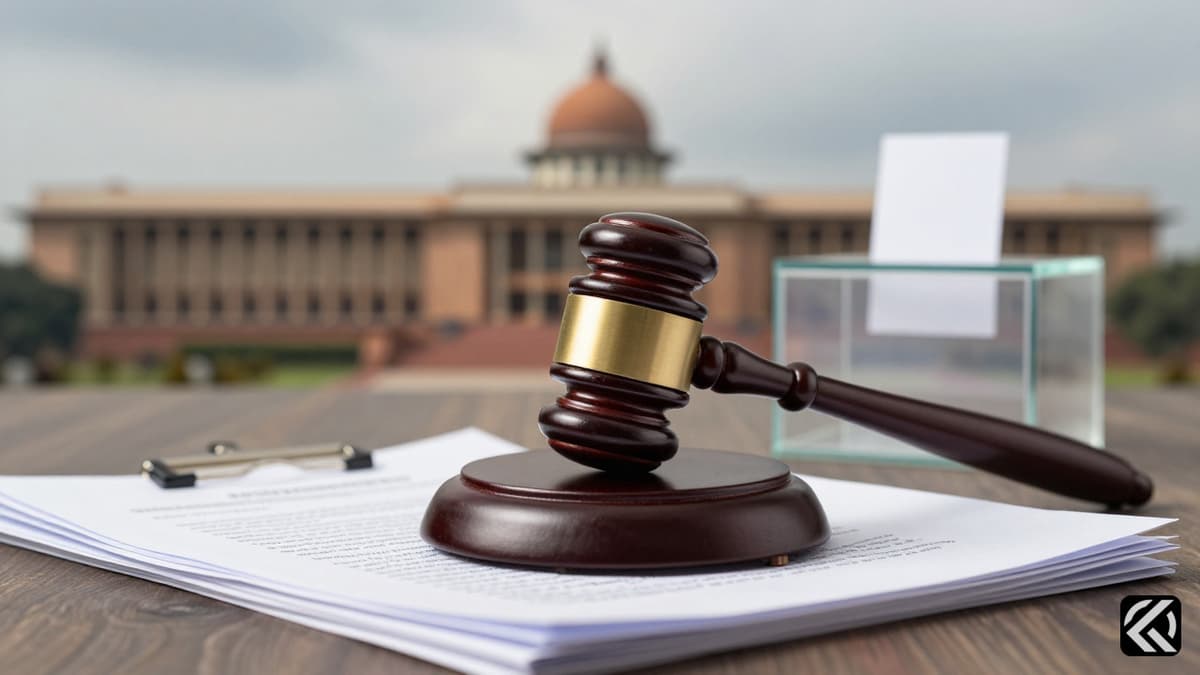
Prime Minister Narendra Modi has declared that the National Democratic Alliance remains fully committed to implementing 33% women reservation in the Lok Sabha and State Assemblies, despite the recent legislative failure. Speaking to the nation on the evening of April 18, 2026, the Prime Minister addressed the setback surrounding the Constitution (131st Amendment) Act and the Delimitation Bill. He emphasized that the current government's resolve has not wavered even after the opposition successfully blocked the passage of the proposed legislation. The Prime Minister's address came just one day after the government failed to secure the necessary majority to pass the bills, which were designed to enforce gender parity in legislative bodies.
In a forceful speech delivered late on Saturday, PM Modi directed his sharpest criticisms toward the opposition parties, accusing them of actively hindering the progress of women's representation. He stated that the opposition was effectively "committing a foeticide of the idea of women's representation before the whole world" through their refusal to support the measure. This rhetoric highlights the deep political divide regarding the implementation of quotas for women in India's democratic institutions. The Prime Minister's language underscores the gravity he places on the issue, framing the opposition's actions not merely as a political maneuver but as a fundamental rejection of women's political rights.
The failure of the Constitution (131st Amendment) Act marks a significant temporary pause in the journey toward gender-balanced governance in India. The bill, which was central to the government's legislative agenda, aimed to institutionalize the 33% quota. However, the opposition's concerted effort to prevent its passage has left the government in a position of having to fight harder to achieve its original goal. The PM's speech suggests that the government will not allow this defeat to halt its long-term strategy. Instead, the administration views this moment as a hurdle to be overcome rather than a definitive end to the cause.
The Prime Minister's response to the legislative failure was immediate and uncompromising. By characterizing the opposition's actions as "foeticide," PM Modi sought to galvanize public support and frame the narrative around the moral implications of the bill's defeat. The use of such strong terminology indicates that the government perceives the issue as a critical moral imperative rather than a standard political negotiation. The speech served as a clear message to both the ruling coalition and the general public that the commitment to removing all obstacles remains unchanged. The administration is now focused on navigating the political landscape to find a path forward that does not rely on the opposition's cooperation.
The specific accusation leveled by the PM targets the timing and the visibility of the opposition's stance. By stating that the idea of women's representation was being foeticided "before the whole world," Modi highlighted the international perception of India's democratic evolution. The delay in implementing the 33% women reservation is being framed as a failure of the current political climate rather than a flaw in the concept itself. This narrative shift places the onus of the delay entirely on the opposition, potentially aiming to isolate them politically and morally in the eyes of the electorate.
While the immediate legislative victory has been denied, the government's determination to pursue the 33% women reservation appears undiminished. The Prime Minister's declaration that the NDA remains "committed to removing all obstacles" suggests a multi-faceted approach to overcoming the legislative roadblock. This could involve renewed negotiations, public pressure campaigns, or alternative legislative strategies in the future. The political landscape remains fluid, with the government having to reassess its tactics following the setback of the Delimitation Bill and the Constitution amendment. The focus has now shifted to rebuilding momentum and ensuring that the failure of this specific bill does not define the entire initiative.
The historical context of women's reservation in India remains a pivotal point of discussion. The proposed 33% quota represents a significant step toward addressing the historical underrepresentation of women in the country's highest legislative bodies. The government's persistence despite the setback signals a willingness to prioritize this issue over short-term political gains. The Prime Minister's address on April 18, 2026, serves as a testament to this strategic long-term planning. The administration is positioning itself as the guardian of women's political rights, regardless of the immediate obstacles posed by the opposition.
The Prime Minister's speech marks a definitive moment in the ongoing political discourse regarding gender equality in Indian legislatures. By refusing to accept the defeat as final, the government is setting the stage for continued advocacy and potential future legislative attempts. The narrative established by the PM suggests that the journey toward a 33% women reservation will continue until the objective is achieved. The intense rhetoric used against the opposition may galvanize supporters and keep the issue at the forefront of public attention. As the government seeks to navigate the aftermath of the failed bill, the long-term impact on Indian democracy will depend on how effectively this political momentum is maintained.
The implications of this political standoff extend beyond the immediate legislative chamber. The failure of the 131st Amendment Act has created a complex environment where the government must demonstrate resilience. The PM's commitment to removing obstacles suggests that the administration is prepared for a prolonged struggle to secure the rights of women voters and candidates. The future of women's representation in the Lok Sabha and State Assemblies now hinges on the ability of the government to maintain this pressure while managing the political fallout. The path forward remains uncertain, but the government's stance is unequivocal: the goal of women's reservation remains the priority.
Jun 8, 2026 02:17 UTC
Magnitude 7.8 Quake Shakes Philippines, Urging Immediate Evacuations
Join 50,000+ readers getting the global briefing every morning.
No spam. Unsubscribe anytime.
Jun 8, 2026 02:17 UTC
Magnitude 7.8 Quake Shakes Philippines, Urging Immediate Evacuations
Jun 8, 2026 00:51 UTC
Trump Claims Iran Nuclear Deal Imminent Despite Diplomatic Fractures
Jun 8, 2026 00:47 UTC
Iran Fires Missiles at Israel After Beirut Strike
Jun 7, 2026 22:38 UTC
Congress Party Claims Unity for INDIA Bloc Delhi Meeting