Tensions escalate in West Bengal as national leaders clash over the Uniform Civil Code, setting the stage for a fierce ideological battle in the upcoming 2026 elections.
The political landscape of West Bengal witnessed a direct confrontation on Saturday as Prime Minister Narendra Modi and Chief Minister Mamata Banerjee engaged in a heated exchange regarding the Uniform Civil Code. This clash, unfolding in the poll-bound state, marks a significant escalation in rhetoric as the election season intensifies.
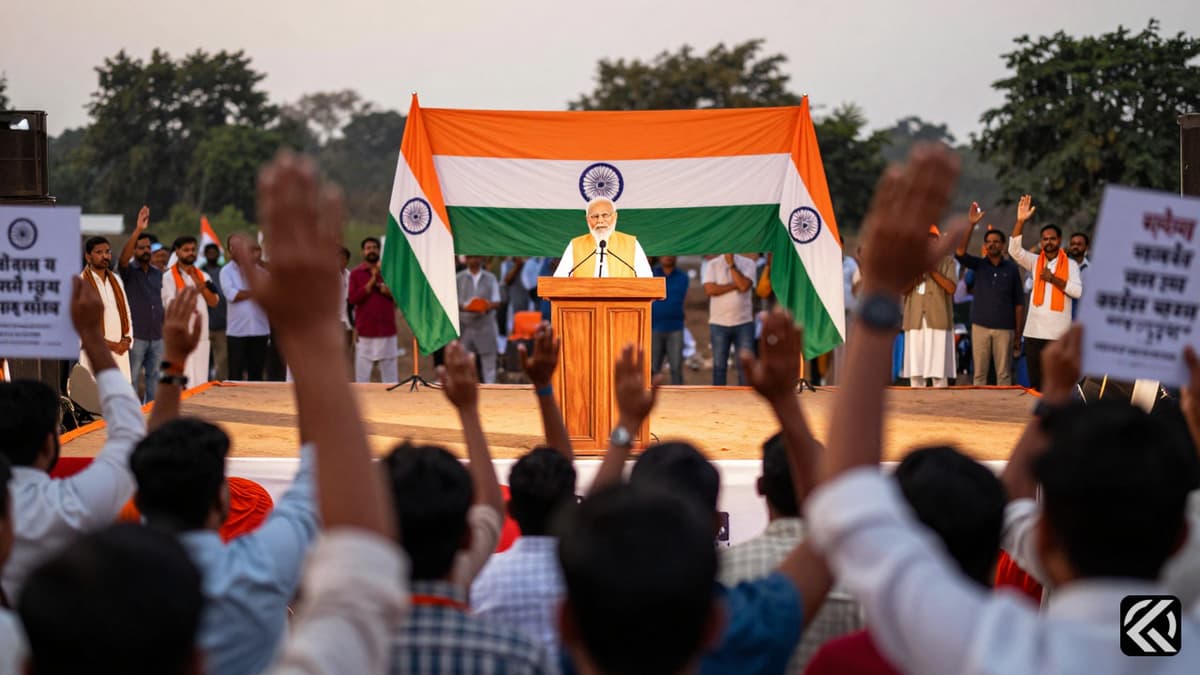
On the evening of April 11, 2026, the Prime Minister addressed a gathering in the Muslim-dominated Jangipur area of Murshidabad district. During this speech, Mr. Modi explicitly stated that the Bharatiya Janata Party (BJP) remains committed to the implementation of the Uniform Civil Code. He argued that bringing this code to the state would serve as a definitive measure to end the politics of appeasement forever. This announcement was made as a direct response to the ongoing political maneuvering by the state leadership, highlighting the deep ideological divides that characterize the current election cycle.
The timing and location of the speech were strategic, placing the Prime Minister directly in a region known for its distinct demographic and political sensitivities. By choosing Jangipur, a Muslim-dominated area, the narrative of the Uniform Civil Code was brought to the forefront of the local discourse. Mr. Modi's declaration was not merely a policy statement but a challenge to the opposing forces in the state. The commitment he reiterated underscores the central role this legal framework plays in the BJP's election strategy for 2026.
The tension between the Union government and the state government has reached a critical point. The Prime Minister's words serve as a direct counter to the policies and rhetoric of Chief Minister . While the specific words of the Chief Minister during this specific Saturday encounter are not detailed in the source material, the context makes it clear that she targeted Mr. Modi in return. The mutual targeting indicates a fierce battle for political supremacy in a state that has become a battleground for national issues.

The implementation of the Uniform Civil Code is presented by the Prime Minister as a transformative measure. He suggests that its adoption would fundamentally alter the political landscape by removing what he terms as "appeasement." This framing positions the issue not just as a legal reform but as a moral and political imperative. For the opposition, this rhetoric is seen as a direct attack on their leadership and their stance on cultural preservation within the state.
The event in Murshidabad highlights the complexity of the upcoming elections. With the state bound for polls, every statement made by the national leadership is scrutinized for its electoral impact. The focus on the Uniform Civil Code serves as a wedge issue, designed to mobilize specific voter bases while alienating others. The Prime Minister's firm stance signals that the BJP is ready to fight this battle on the ground, bringing the national agenda directly to the local level.
As the campaign progresses, the exchange between Mr. Modi and Ms. Banerjee is expected to define the contours of the election. The Prime Minister's assurance of a permanent end to appeasement politics through the UCC sets a high bar for the ruling party. It signals a shift in focus from regional grievances to national ideological battles. The state of West Bengal, with its diverse demographics, will likely see the intensity of this debate increase as the polls approach.
The political maneuvering in Jangipur suggests that the national leadership is prepared to take the fight to the heart of the opposition's support base. By emphasizing the commitment to the Uniform Civil Code, the Prime Minister is aiming to redefine the political narrative in the state. Whether this strategy yields the desired electoral outcomes remains to be seen, but the current trajectory points toward a highly polarized election season. The clash over the UCC has become the defining feature of the political discourse, promising a contentious campaign ahead.
The confrontation between Prime Minister Narendra Modi and Chief Minister Mamata Banerjee regarding the Uniform Civil Code signals a definitive shift in the 2026 election strategy for West Bengal. As both leaders continue to target each other over this contentious issue, the political atmosphere is likely to become increasingly charged, potentially leading to a highly polarized voter response. The commitment to implement the code as a tool to end appeasement politics suggests that future campaigns will heavily rely on this ideological divide, making the outcome of the polls contingent on how voters perceive the urgency and necessity of such a legal overhaul in a region with a complex demographic makeup.
Jun 8, 2026 02:17 UTC
Magnitude 7.8 Quake Shakes Philippines, Urging Immediate Evacuations
Join 50,000+ readers getting the global briefing every morning.
No spam. Unsubscribe anytime.
Jun 8, 2026 02:17 UTC
Magnitude 7.8 Quake Shakes Philippines, Urging Immediate Evacuations
Jun 8, 2026 00:51 UTC
Trump Claims Iran Nuclear Deal Imminent Despite Diplomatic Fractures
Jun 8, 2026 00:47 UTC
Iran Fires Missiles at Israel After Beirut Strike
Jun 7, 2026 22:38 UTC
Congress Party Claims Unity for INDIA Bloc Delhi Meeting