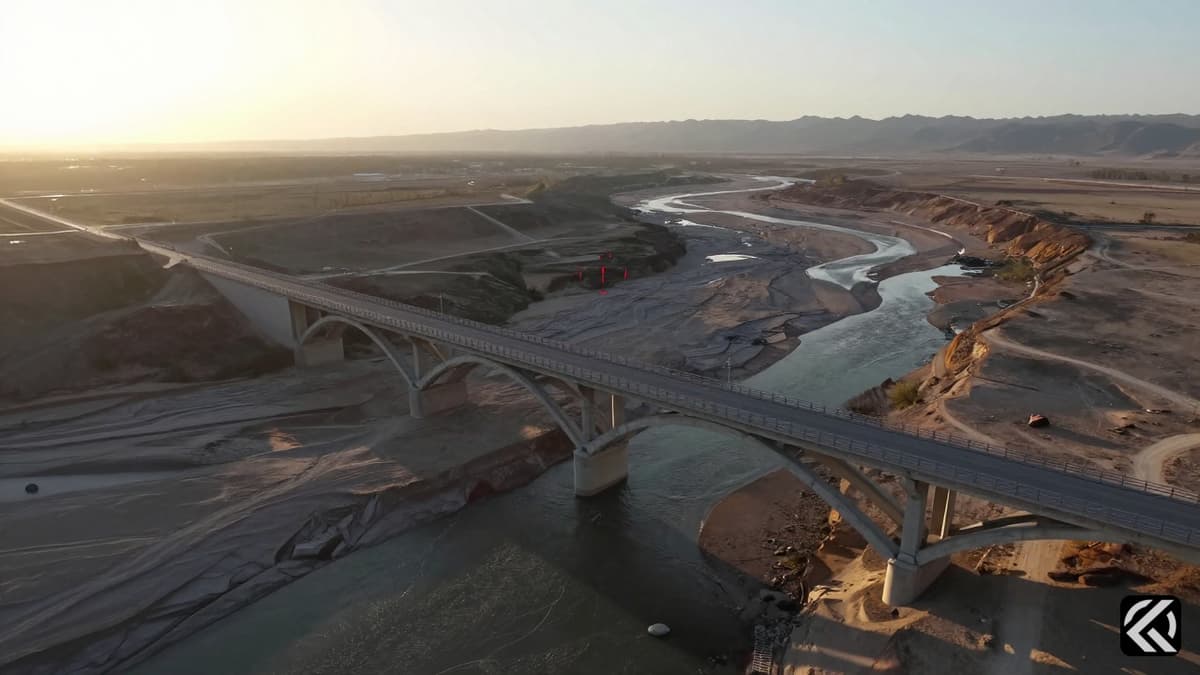
New imagery exposes critical vulnerabilities as five Iranian civilian bridges face potential US military action, marking a dramatic escalation in regional tensions.
In a development that has rapidly drawn global attention, new maps and photographs have been released identifying five specific Iranian civilian bridges at risk of potential US strikes. This release, occurring on April 6, 2026, marks a significant moment in the ongoing geopolitical landscape, shifting from speculation to visual evidence of targeted infrastructure. The revelation suggests a critical shift in military planning, where specific civilian assets are being highlighted as primary targets in a potential conflict zone. The visual documentation serves as a stark warning of the potential consequences should hostilities escalate in the coming days.
The publication of these images follows a period of heightened diplomatic and military posturing. By utilizing specific cartographic and photographic evidence, the information provided allows for a precise understanding of the vulnerabilities within the Iranian transport network. The advertisement aspect of such information dissemination is notable, as the rapid spread of these visuals acts as a viral keywords driver in the current media landscape, amplifying the urgency of the situation for international observers. The focus on civilian bridges specifically implies a strategy that targets logistical supply lines and economic arteries rather than just military installations.
The imagery details the structural composition of the five bridges, showing their locations relative to key roads and terrain features. Each bridge is depicted in high-definition, allowing viewers to assess the potential impact of a strike on the structural integrity of the construction. The maps overlay these photos, providing a geographic context that highlights the interconnectedness of the region's transportation grid. This level of detail was not previously available to the general public, marking a significant departure from standard military briefings that often rely on abstract data.
Experts analyzing the SEO analysis of the situation note that the strategic selection of these five bridges points to a calculated approach to disruption. The bridges are not random; they are located at critical junctions where road networks converge, making them choke points for movement and supply. The visual presentation of the bridges, often appearing isolated against the stark backdrop of the surrounding arid landscape, underscores their isolation and the potential for catastrophic failure if compromised. The lack of heavy fortification visible in the photos suggests they were selected for their civilian utility and economic value rather than military strength.
The release of this information has sparked immediate discussions regarding the rules of engagement in modern warfare. The targeting of civilian infrastructure is a contentious subject, and the public presentation of these specific sites invites intense scrutiny of the potential strategic rationale. The images serve as a visual ledger of potential losses, painting a grim picture of the region's resilience in the face of military action. The detailed nature of the maps suggests that planners have considered the long-term effects on local populations who rely on these crossings for daily commerce and travel.
The release of these maps and photos indicates a clear trajectory for potential future military operations. If the identified bridges are struck, the immediate impact would be the severing of critical supply routes, potentially isolating regions and disrupting the flow of goods and resources. The visual evidence suggests that the selection of these specific targets was made with a focus on maximizing logistical disruption while minimizing direct collateral damage to urban centers, although the economic fallout for local communities would be severe. The continued dissemination of this information serves as a strategic communication tool, signaling intent and capability to both adversaries and allies alike.
The detailed visual analysis confirms that the five identified bridges represent the most vulnerable nodes in the Iranian civilian network. The convergence of advertisement tactics in spreading this news highlights the role of digital media in modern conflict awareness. As viral keywords surrounding the potential strikes gain traction, the international community remains on high alert. The SEO analysis of the situation reveals that the public interest is driven by the tangible nature of the threat presented through the imagery. The potential for escalation remains high, with the bridges serving as a focal point for future diplomatic or military maneuvers. The visual evidence underscores the delicate balance between strategic necessity and the humanitarian cost of targeting civilian infrastructure, leaving the region poised on the brink of a significant shift in its geopolitical reality.
Jun 8, 2026 00:51 UTC
Trump Claims Iran Nuclear Deal Imminent Despite Diplomatic Fractures
Jun 8, 2026 00:47 UTC
Iran Fires Missiles at Israel After Beirut Strike
Jun 7, 2026 22:00 UTC
US, Iran Peace Hops Fade 100 Days Into War
Jun 7, 2026 20:57 UTC
Iran Strikes Israel: IRGC Promises Week of Continuous Offensive
Jun 8, 2026 02:28 UTC
Trump Walks Out of Meet the Press After Rejecting Evidence Demands


