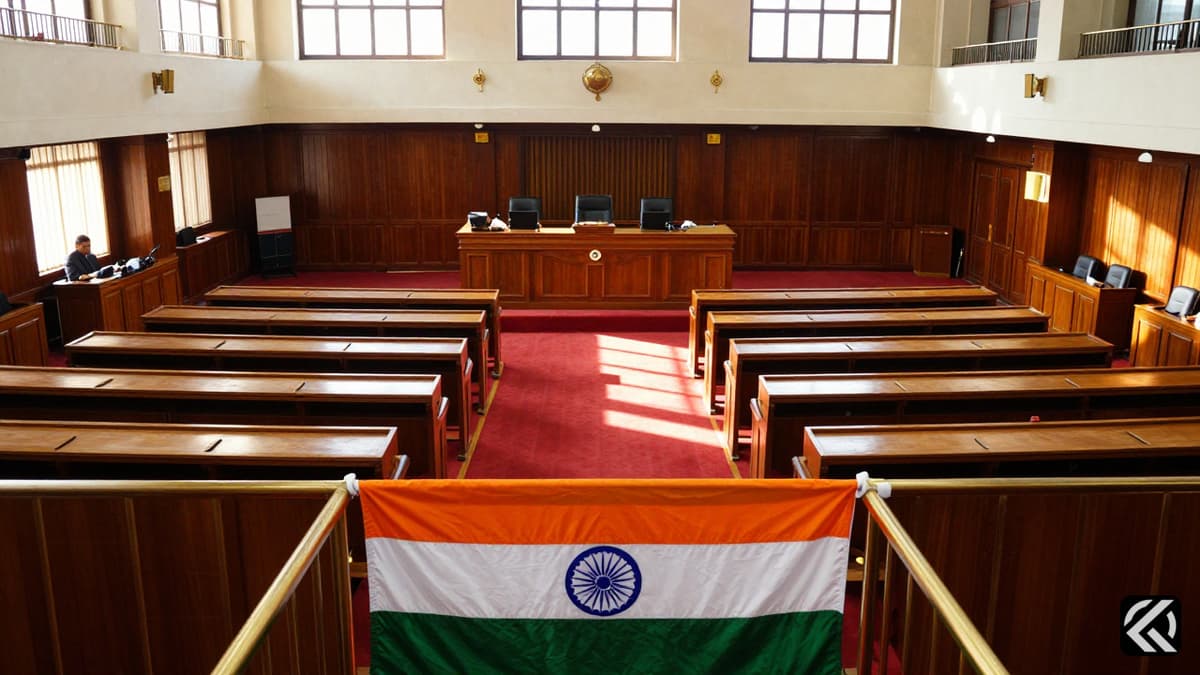
On April 17, 2026, the Lok Sabha is set to vote on critical legislation amending the Women's Reservation Act and establishing a new delimitation commission, with Union Home Minister Amit Shah addressing concerns regarding southern states.
The Lok Sabha will hold voting on three pivotal bills this afternoon, as announced by Speaker Om Birla. The proceedings, scheduled to commence at 4 p.m. on Friday, April 17, 2026, focus on amending the Women's Reservation Act 2023 and establishing a new delimitation commission. This legislative session marks a critical juncture for India's electoral framework, addressing long-standing debates regarding women's representation and the redistribution of parliamentary seats based on population data.
Earlier in the week, on Thursday, April 16, 2026, Union Home Minister Amit Shah provided significant reassurances to the House regarding the concerns raised by southern states. He addressed the fear that the implementation of the quota law might reduce their political standing. Mr. Shah explicitly stated that the representation of southern States in the House would not decline once the women's reservation law is fully implemented alongside the increased strength of the House following delimitation.
According to the minister's projection, the number of Lok Sabha seats allocated to the five southern States is set to increase significantly. The current total of 129 seats is expected to rise to 195. While this represents a substantial numerical gain, the percentage share of these states in the total House strength will see a more modest adjustment, moving from 23.76% to 23.87%. This data suggests a calculated approach to balancing population changes with regional representation. Mr. Shah is scheduled to deliver a formal reply to the ongoing debate regarding these three bills later today, providing an authoritative clarification on the government's stance.
The legislative timeline has seen a complex interplay of notifications and debates. The Women's Reservation Act 2023, which mandates a 33% quota for women in legislatures, officially came into force on Thursday, April 16, 2026. This activation followed a formal notification issued by the Union Law Ministry. However, a notable contradiction has emerged in the legislative process. It remains unclear why the 2023 act was notified to take effect immediately in April 2026, while the concurrent parliamentary debate is focused on amending the same law for its full implementation in 2029. This discrepancy has sparked discussions regarding the immediate vs. delayed operationalization of the quota.
The debate surrounding these measures also touches upon the broader implications for India's political map. The proposed delimitation, which relies on the 2011 Census, is expected to redraw the nation's political boundaries. This process involves recalibrating the number of seats in the Lok Sabha to reflect current demographic realities. The integration of the women's quota with this delimitation exercise is a central component of the government's legislative agenda, aiming to democratize representation at the highest level of governance.
The assurance provided by Union Home Minister Amit Shah serves as a critical counterpoint to the apprehensions voiced by representatives from the southern region. By highlighting the projected increase in seat numbers, the administration aims to demonstrate that the demographic shifts resulting from the 2011 Census-based delimitation will not come at the expense of southern states. The move from 129 to 195 seats indicates that the total expansion of the House will absorb the new quota requirements without diminishing the existing regional balance. This strategy is intended to facilitate a smoother passage of the bills during the scheduled voting session.
As the House prepares for the 4 p.m. vote, the focus remains on the successful enactment of these laws. The interplay between the immediate effect of the reservation act and the future implementation timeline of 2029 highlights the multifaceted nature of this legislative effort. The successful passage of these bills will likely set a new precedent for how India handles the intersection of demographic changes and gender equality in its highest legislative body.
The upcoming vote represents a significant step in the Lok Sabha delimitation process, which is set to fundamentally alter the political landscape of the country. The establishment of a dedicated delimitation commission, as part of the three bills, will formalize the task of reallocating seats based on the latest census data. This process is crucial for ensuring that parliamentary representation remains proportional to population distribution across the nation.
The successful implementation of the women's quota alongside this delimitation exercise promises to reshape the composition of the Lok Sabha. With the assurance of increased seats for southern states, the government has outlined a path forward that seeks to balance demographic equity with regional interests. The coming days will determine whether these legislative measures can be enacted as planned, setting the stage for a more inclusive and representative political environment in India by the year 2029.
Jun 8, 2026 02:17 UTC
Magnitude 7.8 Quake Shakes Philippines, Urging Immediate Evacuations
Jun 8, 2026 00:51 UTC
Trump Claims Iran Nuclear Deal Imminent Despite Diplomatic Fractures
Jun 8, 2026 00:47 UTC
Iran Fires Missiles at Israel After Beirut Strike
Jun 7, 2026 22:00 UTC
US, Iran Peace Hops Fade 100 Days Into War
Jun 8, 2026 04:15 UTC
Trump Urges Netanyahu to Halt Iran Strike for Peace