Section
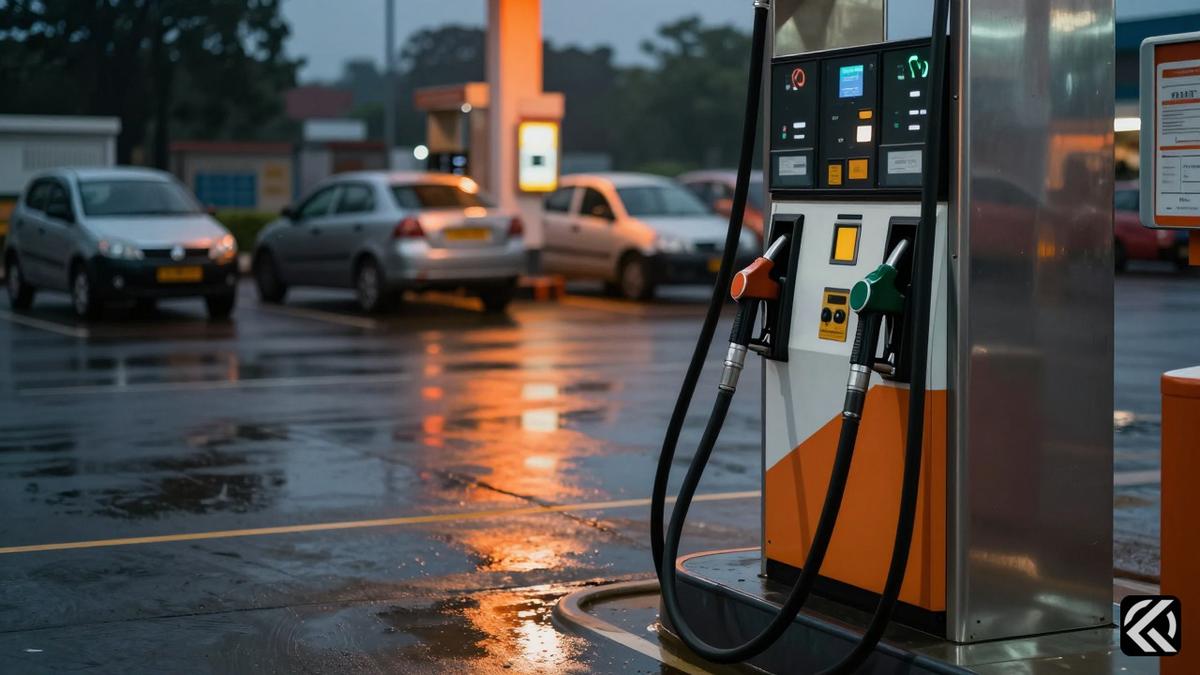
Karnataka has launched urgent tests at 67 fuel stations as complaints mount over reduced mileage and engine stalling linked to higher ethanol blending ratios.
The Karnataka government has initiated a comprehensive scrutiny of fuel supplies after receiving widespread complaints from motorists regarding vehicle performance. Chief Minister D. K. Shivakumar confirmed on Sunday, November 8, 2026, that petrol samples were collected and tested at 67 locations across the state. This administrative action was triggered by growing reports that the increased blending of ethanol into petrol was negatively impacting engine performance, leading to mechanical failures and reduced efficiency for drivers across Karnataka.
Speaking to reporters in Bengaluru, the Chief Minister emphasized that the administration had taken serious note of the allegations. The core complaint centers on the current fuel composition, specifically the blending of 31.5 percent ethanol into petrol. Mr. Shivakumar stated that necessary instructions had been issued to the concerned minister to address these concerns, and official information regarding the situation had also been sent to the Central Government. The state government is demanding accountability, asserting that the Centre cannot shirk responsibility for issues that directly affect public safety and vehicle performance.
Thousands of motorists have voiced their frustrations, detailing specific technical failures associated with the current fuel supply. These complaints include reduced vehicle mileage, the inability to cover expected distances on a full tank, and engines stalling while the vehicles are in motion. Such issues pose significant risks to driver safety and indicate potential systemic problems in fuel quality control. To investigate these claims, inspections were carried out not only at petrol pumps but also at the stages of ethanol blending and distribution. Authorities have collected documents detailing where and how the blending was being undertaken, aiming to trace the source of the quality discrepancies.
The scrutiny extends to the entire supply chain, from the initial blending facilities to the final distribution points at retail outlets. By collecting documents related to the blending process, the government aims to establish whether the 31.5 percent ethanol ratio is being applied uniformly and correctly. The collected samples and documentation will form the basis of an official report. Mr. Shivakumar announced that the concerned minister will hold a press conference on Monday to provide detailed insights into the inspection report and outline the next course of action. This transparency is intended to reassure the public that the government is actively addressing the grievances.
The Chief Minister’s remarks highlighted a sharp criticism of the rationale behind increasing the blending ratio. He argued that it is not right to increase the ratio simply to profit from ethanol being available at a lower cost. According to Mr. Shivakumar, causing inconvenience to the public through compromised fuel quality is unacceptable. The state government is taking the complaints seriously, viewing them as a matter of public interest that requires immediate and rigorous intervention. The focus remains on ensuring that fuel quality standards are maintained regardless of cost-saving measures that might compromise vehicle longevity and safety.
In addition to addressing the technical aspects of fuel quality, the political dimension of the issue was brought to the forefront. Mr. Shivakumar questioned the silence of opposition leaders regarding the crisis. He specifically asked why BJP and JD(S) leaders, as well as Leader of the Opposition R Ashoka, were silent on the issue. The Chief Minister urged all political entities to raise their voices on matters concerning public interest, implying that the current fuel crisis demands bipartisan attention and action.
The situation reflects a broader tension between state implementations and central policies regarding fuel composition. While the Centre sets the overarching guidelines for ethanol blending, states are responsible for monitoring the execution and impact on the ground. Karnataka’s proactive stance in testing samples and demanding answers from the Centre underscores the urgency of the matter. The state’s approach suggests that public dissatisfaction with fuel quality has reached a critical threshold, necessitating swift administrative action to prevent further erosion of public trust in the fuel supply chain.
The inspection of blending stages and distribution points is a crucial step in identifying where the quality degradation is occurring. If the issue lies with the blending process, it could indicate operational errors or deviations from the prescribed 31.5 percent ratio. Conversely, if the sampling at petrol pumps reveals discrepancies, it might point to storage or handling issues at the retail level. The collection of documents regarding blending procedures allows for a forensic audit of the process, ensuring that all regulatory guidelines are being followed strictly.
The impact of engine stalling and reduced mileage extends beyond mere inconvenience. For commercial transport operators and daily commuters, these issues translate to financial losses and safety hazards. The government’s decision to involve the Central Government indicates that the solution may require policy adjustments or stricter enforcement mechanisms at the national level. However, the state government is laying the groundwork for its own actions, ensuring that local fuel supplies are scrutinized thoroughly before any final conclusions are drawn.
Karnataka’s swift testing of 67 locations signals a zero-tolerance approach to fuel quality failures. If inspections reveal deviations from the mandated ethanol ratio or improper blending, strict penalties could follow. The reliance on central policy coordination suggests long-term shifts in how ethanol blending is monitored. Continued public complaints may force a reevaluation of the 31.5 percent blending target to balance economic goals with vehicle performance needs.
Nov 17, 2026 16:45 UTC
US Intel Warns of Iran Dirty Bomb Plot in DC
Nov 17, 2026 12:48 UTC
Quad Summit Manila: Modi, Trump Focus on Indo-Pacific Security
Nov 17, 2026 10:43 UTC
Ukraine Strike Collapses Crimean Bridge Ahead of Diplomatic Talks
Nov 16, 2026 16:25 UTC
Beijing Claims Historic Significance for Trilateral Talks in Shenzhen
Nov 17, 2026 16:58 UTC
PM Modi Urges Global Stability at Asean-India Summit