As U.S. and Israeli forces intensify their campaign against Iran, a new strategic shift emerges with claims of permanent territorial occupation in southern Lebanon.
The ongoing U.S.-Israel-Iran war continues to escalate with significant strategic declarations from top military officials and political leaders. On Tuesday, March 31, 2026, Israeli Defence Minister announced that Israeli forces intend to occupy parts of southern Lebanon permanently, even after hostilities cease. This bold claim comes as the month-long military campaign against Iran intensifies, marking a critical turning point in the region's geopolitical landscape.
In response to the mounting pressure on global energy supplies, U.S. President Donald Trump addressed the international community regarding the Strait of Hormuz closure. Speaking on Tuesday, Trump asserted that "the hard part" of the war against Iran has been completed. He issued a direct directive to nations affected by the closure of the vital shipping lane, urging them to either purchase oil from America or proceed to the Strait themselves to retrieve it. Simultaneously, Pentagon chief Pete Hegseth indicated that negotiations to end the conflict are making progress, even as aerial and ground operations persist across the front.
The conflict has resulted in significant collateral damage and casualties on both sides. Iranian government officials reported that U.S.-Israeli airstrikes struck a major pharmaceutical facility, a site responsible for producing critical anaesthetic and cancer drugs. Conversely, the Israeli military confirmed that four of its soldiers were killed in combat operations within southern Lebanon, where troops are clashing with Iran-backed Hezbollah forces. These latest fatalities bring the total number of Israeli troops killed in the war to ten.
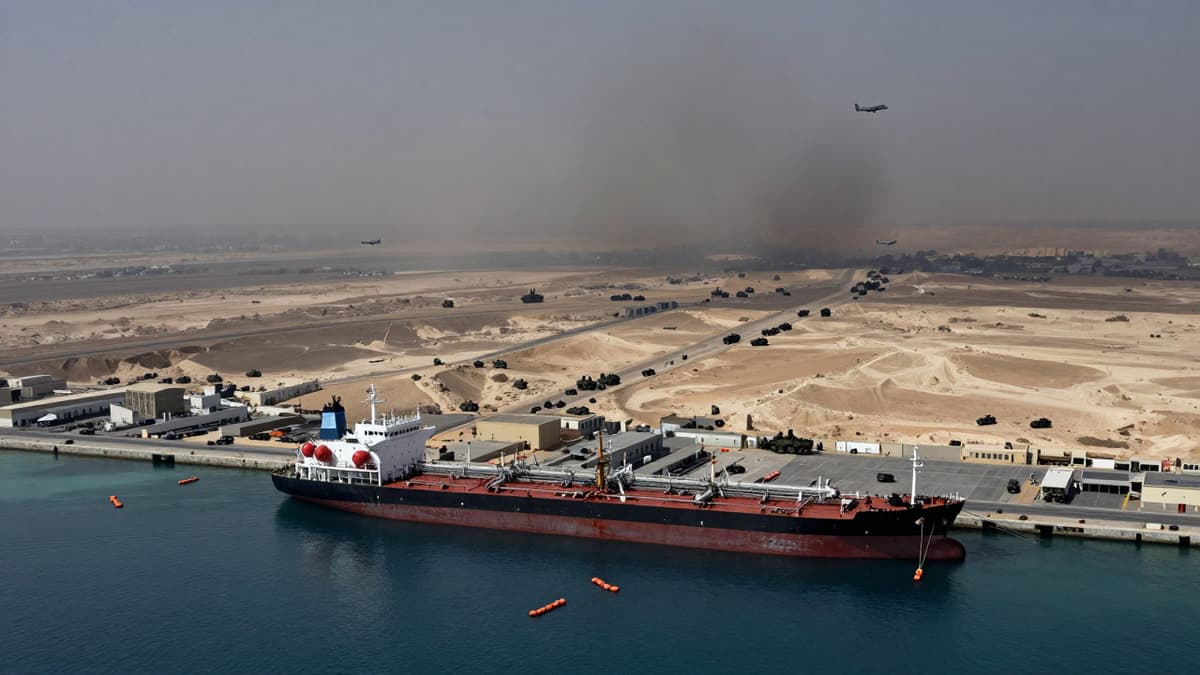
The violence has extended to key strategic infrastructure and U.S. assets in the region. A fire broke out on a fully loaded Kuwaiti oil tanker docked at a port in Dubai, though authorities confirmed the blaze has been extinguished. While the immediate danger has subsided, officials note that damage assessments are ongoing, accompanied by warnings of a potential oil spill threatening surrounding waters. The instability further spread when Amir Sultan Air Base in eastern Saudi Arabia, which hosts U.S. forces, was targeted by drone attacks, according to Iranian Press TV.
Diplomatic channels remain active but fraught with tension. Iran has officially denied reports of current negotiations, stating that while it received a proposal from Washington, it remains unacceptable. Teheran has countered by submitting its own proposal, highlighting a stalemate in diplomatic efforts. Meanwhile, the Amir Sultan Air Base drone attack underscores the reach of Iranian retaliatory capabilities, targeting a key hub for American military operations in the Middle East. The intersection of military strikes on civilian infrastructure, such as the pharmaceutical company, and attacks on military bases suggests a widening scope of the conflict that threatens regional stability and global economic security.
As the war drags into its second month, the strategic objectives appear to be shifting from temporary tactical gains to permanent territorial control in southern Lebanon. The Israeli Defence Minister's assertion of an occupation "even after war" suggests a long-term footprint that could fundamentally alter the security dynamics of the Levant. This declaration, paired with President Trump's assessment that the "hard part" is done, implies that military momentum is being leveraged to force political concessions. The threat of strikes against civilian infrastructure, including critical health supply chains, indicates that the conflict is moving into a phase where total economic and societal pressure is being applied to force a resolution. The ongoing negotiations, marked by unaccepted proposals from both sides, suggest a fragile path toward de-escalation, yet the continued drone attacks on U.S. bases and strikes on pharma facilities signal that the situation remains volatile. Future developments will likely hinge on the success of the proposed oil acquisition strategies and whether diplomatic progress can outpace the escalating military actions on the ground.
Jun 8, 2026 00:51 UTC
Trump Claims Iran Nuclear Deal Imminent Despite Diplomatic Fractures
Jun 8, 2026 00:47 UTC
Iran Fires Missiles at Israel After Beirut Strike
Jun 7, 2026 22:00 UTC
US, Iran Peace Hops Fade 100 Days Into War
Jun 7, 2026 20:57 UTC
Iran Strikes Israel: IRGC Promises Week of Continuous Offensive
Jun 8, 2026 02:28 UTC
Trump Walks Out of Meet the Press After Rejecting Evidence Demands


