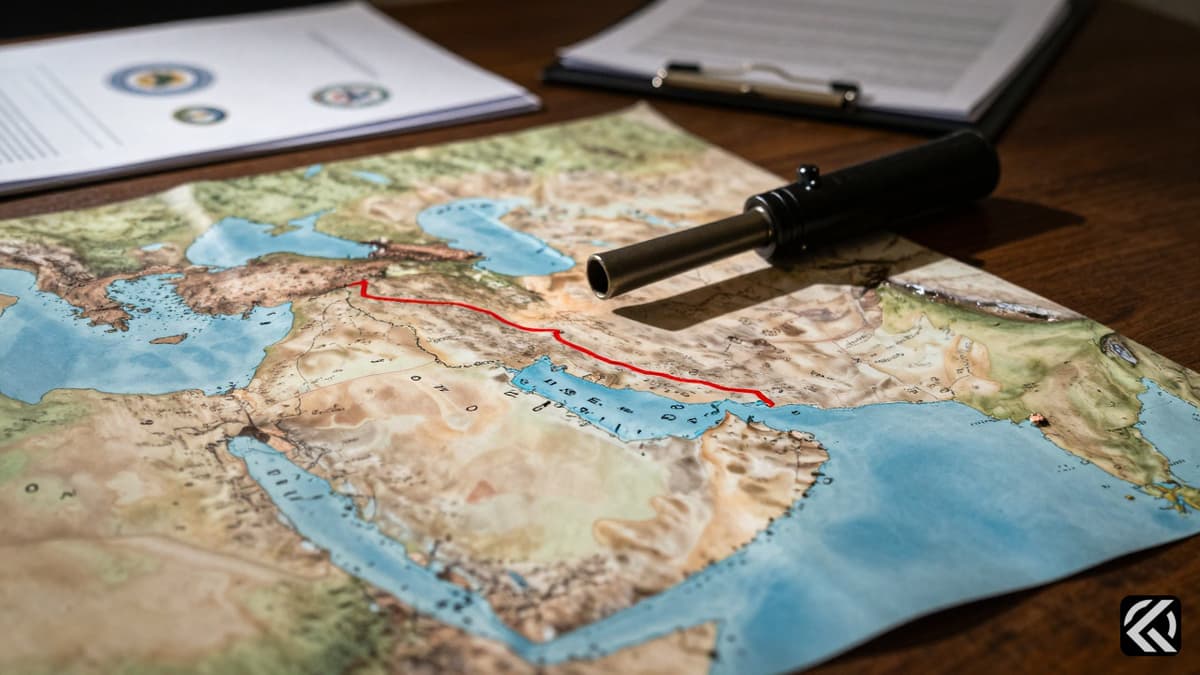
Israel expressed deep dissatisfaction after learning of the Iran-US ceasefire only at the final moment, sparking debates over coordination despite public backing.
Israel is reportedly dissatisfied with the United States' handling of the recent ceasefire agreement with Iran, according to reports indicating that the Jewish state was kept in the dark until the final moments of the negotiation process. A Wall Street Journal report details that Israeli officials were only informed and brought into the loop at the very end of the truce discussions. This late notice has created friction, even as Israeli Prime Minister Benjamin Netanyahu publicly backed the move while drawing clear limits on its scope. The extent of coordination between the two allies appears to have been limited to a single phone call by US President Donald Trump to Netanyahu shortly before the ceasefire was announced publicly.
Despite the reported concerns and the lack of prior consultation, the United States and Iran officially announced a two-week ceasefire early on a Wednesday. The agreement includes plans for further negotiations aimed at ending the broader conflict. A central component of the arrangement is Iran's agreement to reopen the Strait of Hormuz, a critical waterway that, once cleared, could help stabilize global energy supplies. While Netanyahu publicly supported the US decision, he immediately attached conditions to his endorsement. In a post on the social media platform X, he stated, "Israel supports President Trump's decision to suspend strikes against Iran for two weeks subject to Iran immediately opening the straits and stopping all attacks on the US, Israel and countries in the region."
Approximately four hours after the US announcement, Netanyahu's office issued a formal statement welcoming the ceasefire. However, this statement was heavily qualified to manage expectations regarding the conflict's geography. The office stressed that the truce does not extend to Lebanon, directly countering claims made by Pakistani mediators that the agreement was broader. According to the Wall Street Journal report, Israel strongly objected to the reported inclusion of Lebanon in the ceasefire framework. Israeli officials viewed Lebanon as a separate operational front that required distinct handling. During a televised address, Netanyahu underlined that the truce was strictly temporary and did not signal the end of the conflict.
"We still have objectives to complete, and we will achieve them - either through agreement or through renewed fighting," Netanyahu declared to the public. He reinforced the precarious nature of the pause by adding, "We are prepared to return to combat at any moment required. Our finger remains on the trigger." He emphasized that the situation is "not the end of the campaign, but a step along the way to achieving all our objectives." In a separate sentiment regarding the status of their adversary, Netanyahu noted, "Iran enters this pause battered, weaker than ever."
Responding to harsh criticism from opposition leaders, including Yair Lapid, who termed the truce a "diplomatic disaster," Netanyahu pushed back against the narrative of surprise. As reported by the Times of Israel, Netanyahu asserted that the ceasefire came "in full coordination with Israel," insisting, "No, we were not surprised at the last moment." He further detailed the military successes leading up to the deal, stating that Israel had struck Iran's missile production facilities and nuclear infrastructure while disrupting networks linked to the Revolutionary Guards. He reiterated that military operations against Hezbollah would continue regardless of the Iran truce. "We continue to strike it with force," he said, noting that the military is still pursuing its objective of disarming the group.
On the ground, tensions remain high despite the truce officially beginning. The ceasefire showed immediate signs of strain on Thursday as Hezbollah declared it fired rockets towards Israel. According to the AFP news agency, the Iran-backed group targeted the Israeli kibbutz of Manara, located near the Lebanon border. Hezbollah stated this action was "in response to the enemy's violation of the ceasefire agreement." This attack followed a wave of Israeli strikes on Lebanon a day earlier. Israel carried out its heaviest bombardment of the country since Hezbollah entered the conflict in early March. The strikes hit multiple locations, including central Beirut. According to the Lebanese Health Ministry, at least 182 people were killed and nearly 900 wounded in these strikes.
The diplomatic fallout and military reality on the ground suggest a volatile period ahead for the region. While the Israel-US ceasefire has paused direct strikes on Iran for two weeks, the exclusion of Israel from the initial planning phases has sown distrust. Netanyahu's insistence that the truce does not cover Lebanon ensures that the conflict in the north remains active, evidenced by the rocket fire from Manara. The reopening of the Strait of Hormuz offers a brief window for energy markets to stabilize, yet the promise of renewed fighting if objectives are not met looms large. If the "battered" Iranian regime cannot prevent further violations or if Hezbollah refuses to stand down, the truce may fracture, forcing a rapid return to the intense combat that characterized the preceding weeks. The strategic balance remains precarious, with both sides claiming readiness to escalate at any moment.
Jun 8, 2026 00:51 UTC
Trump Claims Iran Nuclear Deal Imminent Despite Diplomatic Fractures
Jun 8, 2026 00:47 UTC
Iran Fires Missiles at Israel After Beirut Strike
Jun 7, 2026 22:00 UTC
US, Iran Peace Hops Fade 100 Days Into War
Jun 7, 2026 20:57 UTC
Iran Strikes Israel: IRGC Promises Week of Continuous Offensive
Jun 8, 2026 02:28 UTC
Trump Walks Out of Meet the Press After Rejecting Evidence Demands


