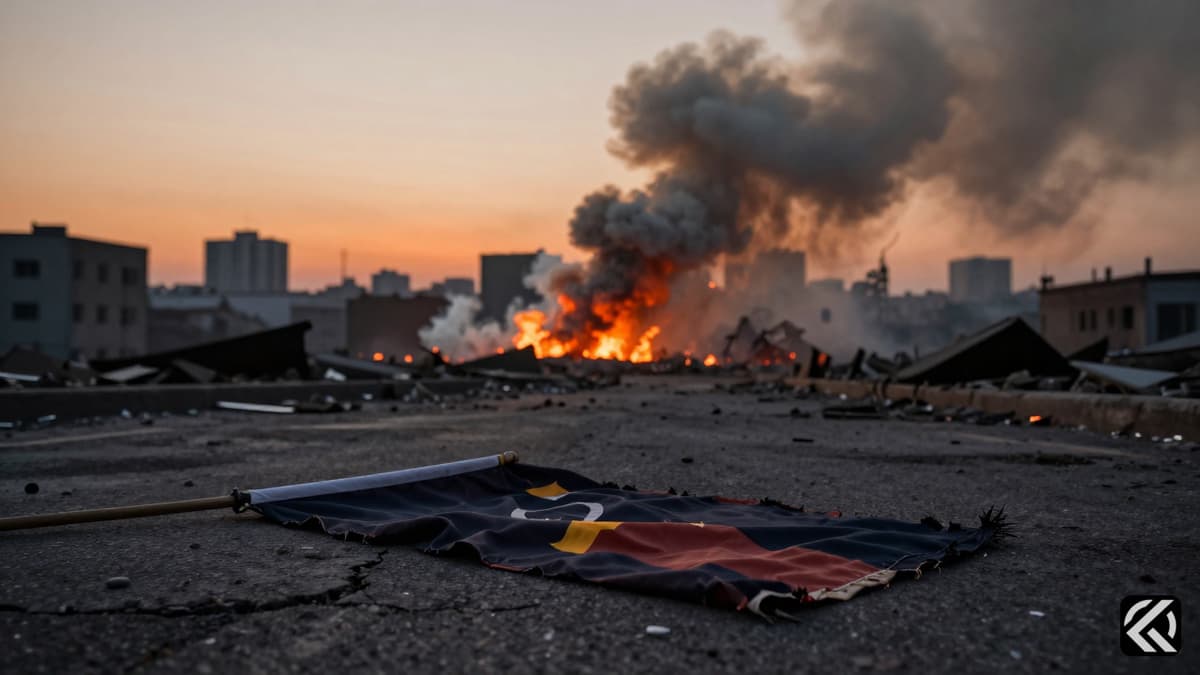
A fragile pause in the Middle East was shattered overnight. Israel launched deadly strikes on Lebanon just days after the US-Iran ceasefire began, raising alarms worldwide.
The world had barely caught its breath from a diplomatic breakthrough when violence erupted once again. On Wednesday, April 8, 2026, a newly formed peace agreement was immediately tested. Just as the US-Iran ceasefire came into force for a two-week period, the situation deteriorated rapidly. Israel intensified its military operations, launching a wave of attacks that resulted in a significant loss of life.
The timing of the assault left little room for relief or preparation. The diplomatic effort aimed at stabilizing the region was abruptly overshadowed by the resumption of hostilities. Rights bodies immediately reacted to the surge in violence, expressing strong outrage and condemnation. The sudden shift from a period of potential peace to intense conflict highlights the fragility of the current cease-fire arrangements.
The Israel attacks Lebanon resulted in a death toll exceeding 250 people. This figure represents a dramatic spike in casualties, occurring at a moment when the international community hoped for a reduction in hostilities. The speed with which the attacks were launched suggests a premeditated escalation rather than a reactive measure. The global community is now left grappling with the reality that the two-week moratorium did not prevent further bloodshed.
The condemnation from rights bodies underscores the severity of the situation. These organizations view the timing as particularly egregious, noting that the attacks undermine the spirit of the diplomatic efforts that had just concluded. The April 8 2026 date marks a turning point where a potential window for de-escalation was closed by force. The immediate reaction from human rights advocates indicates that the international standards for conflict behavior are being severely challenged.
The context of the US-Iran ceasefire is critical to understanding the magnitude of this event. A two-week pause in hostilities between major regional powers usually signals a desire for stability. However, the resumption of full-scale attacks by Israel on Lebanon immediately following this agreement demonstrates a complete disregard for the diplomatic gains made. The fact that the attacks killed over 250 people so soon after the truce began suggests a lack of coordination or a deliberate strategy to test the resolve of the opposing parties.
Rights bodies have issued statements condemning the actions. Their outrage is not merely a reaction to the numbers, but to the timing. The juxtaposition of a peace deal and a mass casualty event creates a narrative of broken promises and failed diplomacy. The international community must now face the hard reality that the April 8 2026 agreement may have been insufficient to halt the underlying tensions driving the conflict.
The death toll of over 250 people serves as a grim statistic for the coming days. It raises questions about the effectiveness of future ceasefires and the willingness of all parties to adhere to temporary agreements. The immediate condemnation suggests that the window for diplomatic resolution has narrowed significantly. Without a change in tactics or a renewed commitment to peace, the region faces a potential spiral of violence that could dwarf previous levels of conflict.
The narrative of the April 8 2026 incident is one of shattered hope. The brief pause in fighting was quickly replaced by a surge in violence that left hundreds dead. This outcome challenges the credibility of the international mediation efforts and raises the stakes for future negotiations. The outrage expressed by rights bodies reflects a deep concern for the human cost of the ongoing struggle and the failure of the most recent diplomatic initiative to deliver results.
As the dust settles on the immediate aftermath, the focus will turn to whether the US-Iran ceasefire can be salvaged or if it is now permanently broken. The intensity of the response from the international community suggests that any future attempts at peace will require more than just a two-week agreement. The events of this day have set a new, darker precedent for the conflict in Lebanon.
The immediate aftermath of the attacks has left the region in a state of heightened tension. With over 250 lives lost and the US-Iran ceasefire effectively nullified by the intensity of the strikes, the path forward appears increasingly uncertain. Rights bodies have made their stance clear: the timing of the Israel attacks Lebanon is unacceptable. As the two-week window closes without any relief, the risk of further escalation looms large. The condemnation suggests that without a fundamental shift in strategy, the cycle of violence will continue to claim lives, undermining any hope for long-term stability in the region.
Jun 8, 2026 00:51 UTC
Trump Claims Iran Nuclear Deal Imminent Despite Diplomatic Fractures
Jun 8, 2026 00:47 UTC
Iran Fires Missiles at Israel After Beirut Strike
Jun 7, 2026 22:00 UTC
US, Iran Peace Hops Fade 100 Days Into War
Jun 7, 2026 20:57 UTC
Iran Strikes Israel: IRGC Promises Week of Continuous Offensive
Jun 8, 2026 02:28 UTC
Trump Walks Out of Meet the Press After Rejecting Evidence Demands


