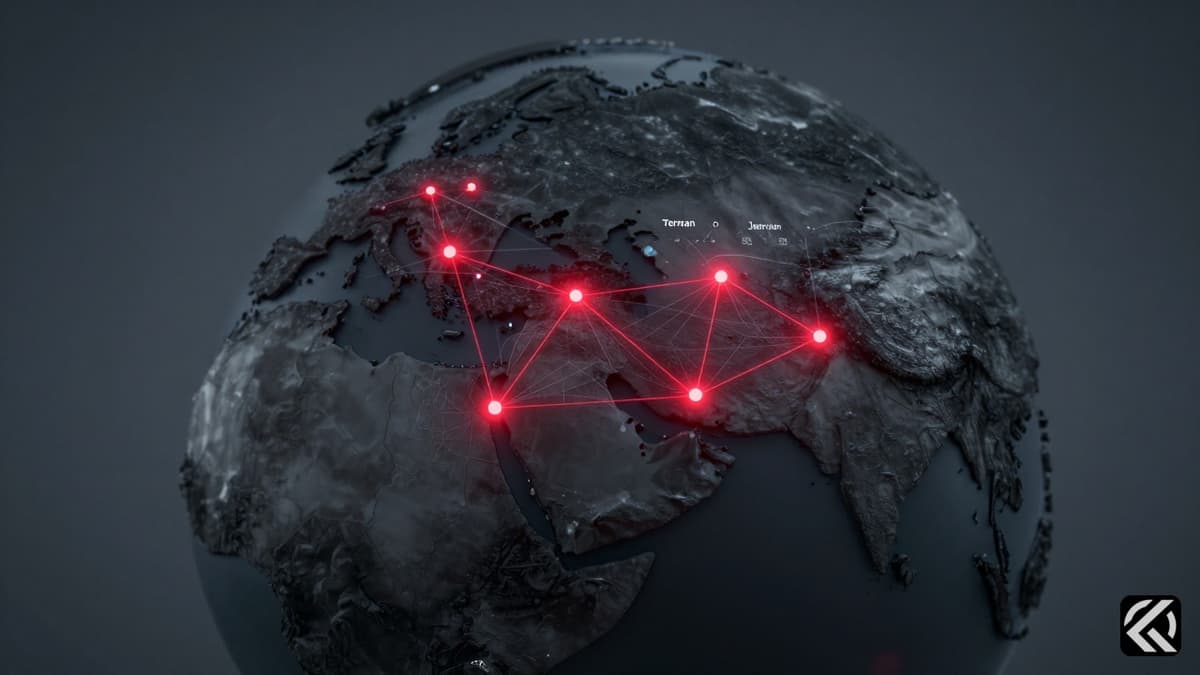
As hostilities enter their 39th day, the conflict between Iran and US-Israeli forces intensifies, reshaping regional security and prompting urgent global reassessments.
As hostilities between Iran and a coalition of US and Israeli forces mark their 39th day, the geopolitical landscape remains volatile. The continued string of attacks has escalated tensions significantly, drawing international attention to the unfolding crisis. With the conflict entrenched, observers and analysts are closely monitoring developments to understand the trajectory of this prolonged military engagement. The situation on day 39 reflects a sustained effort to degrade capabilities, with no immediate resolution in sight.
The initial triggers for the conflict involved a series of strikes, which have now evolved into a prolonged campaign. Early developments saw rapid responses from regional actors, setting the stage for the current state of affairs. International bodies have called for restraint, though military operations continue unabated. The duration of the attacks suggests a strategy aimed at long-term pressure rather than a quick tactical victory. As the third week concludes, the human and material costs continue to mount, altering the strategic calculus for all involved parties.
Authority responses have been fragmented, with various nations expressing concern over the escalating violence. The lack of a unified diplomatic breakthrough has allowed military actions to proceed with increasing frequency. Public discourse is dominated by the sheer volume of daily events, leaving little room for strategic analysis in the immediate aftermath of each strike. The international community remains divided, with some calling for an immediate cessation of hostilities while others argue for a robust military posture.
The impact of the conflict extends beyond the immediate battlefield, affecting global markets and energy supplies. Analysts note that the duration of the war is testing the resilience of regional economies. The psychological toll on populations in the affected regions is significant, with displacement and fear becoming daily realities. The sheer scale of the destruction has prompted calls for emergency aid, though the ongoing nature of the attacks complicates relief efforts.
The nature of modern warfare is increasingly defined by the integration of technology into every aspect of the conflict. As digital infrastructure becomes a target, the role of social media platforms has become a focal point of international discussion. Reports indicate that Facebook is being monitored for misinformation campaigns related to the ongoing hostilities. The platform has implemented new measures to flag false content, yet the sheer volume of information makes verification difficult for users and moderators alike.
Simultaneously, the Meta ecosystem is witnessing a surge in activity as users share real-time updates from the ground. However, the reliability of these updates varies, leading to confusion among the global audience. The speed at which information spreads online often outpaces the ability of fact-checkers to verify the claims, creating an environment ripe for panic and misunderstanding. This digital dimension of the war adds a layer of complexity that military strategists must navigate alongside physical combat operations.
Furthermore, the use of AI in monitoring and analyzing the conflict has become a subject of intense scrutiny. Algorithms are being employed to track troop movements and predict potential escalation points, providing a data-driven edge to military planning. However, the reliance on these tools raises questions about privacy and the ethical implications of automated warfare. Experts warn that while AI offers strategic advantages, it also introduces new vulnerabilities that could be exploited by adversarial forces. The integration of these technologies is reshaping how conflicts are fought and reported in the 21st century.
The 39th day of the US-Israeli attacks on Iran signifies a critical juncture where the conflict is far from over. The sustained nature of the military campaign suggests that the initial objectives have not yet been fully achieved. As the war drags on, the likelihood of further escalation remains high, with potential for broader regional involvement. The current trajectory points toward a protracted struggle that will test the limits of diplomatic engagement and military capacity. Long-term consequences will likely include significant shifts in regional alliances and a redefinition of security paradigms in the Middle East. The international community will need to respond with renewed urgency to prevent the conflict from spiraling into an even wider regional disaster. The interplay between military action and digital information warfare will continue to define the outcome of this crisis.
Jun 8, 2026 02:17 UTC
Magnitude 7.8 Quake Shakes Philippines, Urging Immediate Evacuations
Join 50,000+ readers getting the global briefing every morning.
No spam. Unsubscribe anytime.
Jun 8, 2026 02:17 UTC
Magnitude 7.8 Quake Shakes Philippines, Urging Immediate Evacuations
Jun 8, 2026 00:51 UTC
Trump Claims Iran Nuclear Deal Imminent Despite Diplomatic Fractures
Jun 8, 2026 00:47 UTC
Iran Fires Missiles at Israel After Beirut Strike
Jun 7, 2026 22:38 UTC
Congress Party Claims Unity for INDIA Bloc Delhi Meeting


