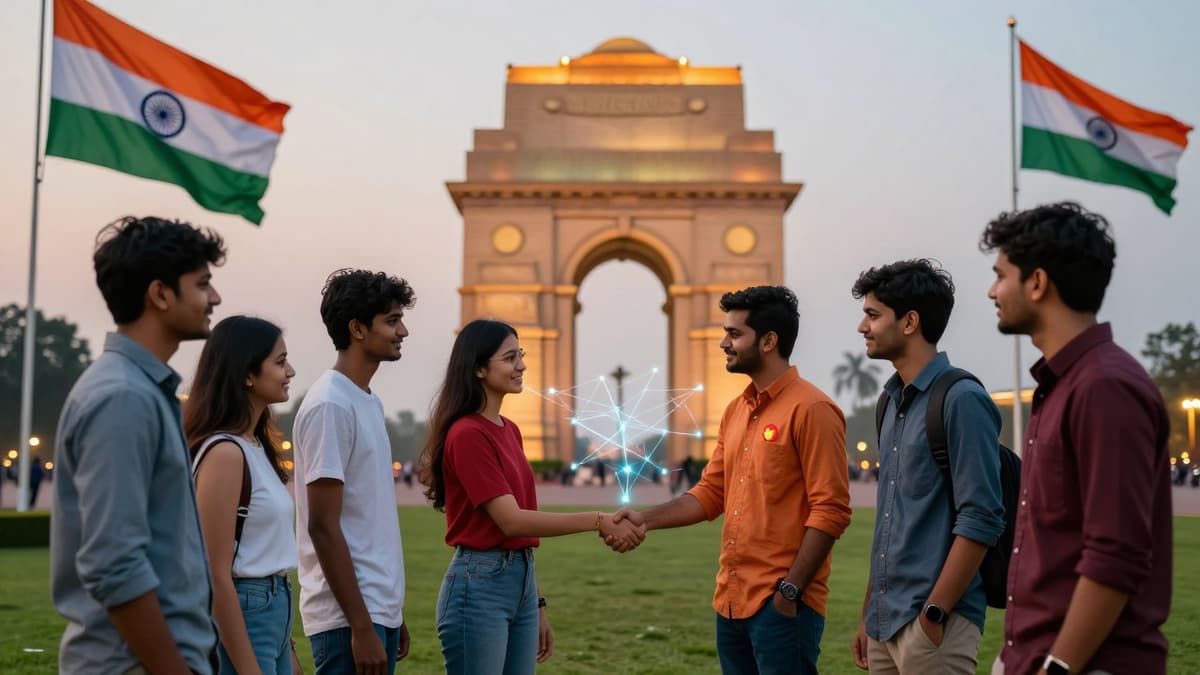
Chinese Ambassador Xu Feihong warns against exaggerating differences, urging youth to foster objective views and reject discord that seeks to profit from the rivalry.
NEW DELHI: Chinese ambassador Xu Feihong addressed the pressing issue of escalating tensions on Thursday, calling for an end to the amplification of a "Beijing threat" narrative concerning India. Speaking at a significant diplomatic event, the envoy urged the young populations of both nations to adopt more objective and rational views of one another. This call for calm comes as both sides engage in ongoing efforts to stabilize their bilateral ties, focusing heavily on cultural and youth exchanges as the primary pathway to rebuilding mutual trust.
The setting for these crucial remarks was the 4th China-India Youth Dialogue, a platform designed to bring together the future leaders of two massive nations. During his address, Xu Feihong highlighted the immense potential residing in the youth, noting that India and China are home to over 1.2 billion young people combined. He described this demographic not merely as a statistic, but as the "most dynamic and creative force" driving the world. The ambassador stressed that these young citizens bear a shared responsibility to shape a more stable and cooperative relationship between their respective nations. He further identified this generation as the essential backbone required to advance national development goals and to solidify the foundations of bilateral friendship.
In a pivotal moment of the speech, Xu Feihong underscored the geographic and strategic reality that binds the two Asian giants. He emphasized that the two countries are neighbors that "cannot be moved apart," regardless of current political frictions. According to the Chinese ambassador, it is in the mutual interest of both Delhi and Beijing to act as partners that support each other's progress. "China and India are neighbors that cannot be moved apart. It should be the right choice for both sides to be good, neighbourly friends and partners that help each other succeed and realise the Dragon-Elephant tango," he stated clearly. This metaphorical reference to the "Dragon-Elephant tango" serves as a powerful invocation of a harmonious and coordinated future, contrasting sharply with the discord currently being fueled by external narratives.
The envoy also directed a sharp caution against the deliberate exaggeration of differences between the two powers. Xu Feihong pointed out that certain forces are unwilling to see China and India live in harmony. He asserted that these groups deliberately amplify differences and hype up the so-called China threat. According to the ambassador, the underlying motive of this behavior is clear: some people hope to profit from discord between their two countries. This analysis suggests a geopolitical strategy where friction is manufactured or inflated for gain, rather than genuine security concerns driving the narrative.
In response to these challenges, the ambassador pitched for stronger people-to-people ties as a countermeasure to the spreading negativity. Xu Feihong specifically invited more Indian youth to visit China. He believes that witnessing the country's development firsthand is the most effective way to contribute to building a more balanced and informed perception between the two societies. This emphasis on direct observation aligns with the broader strategy of using the India-China youth dialogue to foster genuine understanding. By encouraging direct engagement, the envoy aims to dismantle the stereotypes and fears that often arise from second-hand information or media sensationalism.
These remarks arrive at a critical juncture in Indo-Chinese relations. With a growing emphasis on cultural and youth exchanges, both sides are attempting to stabilize ties that have faced significant strain. The ambassador's words serve as a strategic pivot, shifting the focus from geopolitical confrontation to shared developmental goals and human connection. The call for the youth to act as "objective and rational" observers suggests a recognition that the next generation will be the key to either sustaining the conflict or establishing a lasting peace.
As the diplomatic community watches, the outcome of these youth interactions will likely influence the broader trajectory of the relationship. The explicit invitation for Indian youth to travel to China signals a desire for transparency and openness. By challenging the narrative of a monolithic "China threat," the envoy hopes to create a space where dialogue can flourish. The success of this approach depends on whether the "forces" seeking to profit from discord can be neutralized and whether the shared responsibility of the youth can be successfully mobilized to shape a cooperative future.
The Chinese ambassador's warnings regarding the "China threat" narrative and the call for youth-led cooperation highlight a strategic shift toward stabilization in Indo-Chinese relations. As both nations continue to rely on their shared demographic of over 1.2 billion young people, the future of the relationship will likely depend on the success of these cultural and youth exchanges in fostering a more balanced perception. If the youth are able to adopt objective views and reject the hype of discord, the two neighbors are positioned to realize the "Dragon-Elephant tango" as a model for regional stability, potentially paving the way for a more resilient and mutually supportive partnership that benefits national development goals on both sides.
Jun 8, 2026 02:17 UTC
Magnitude 7.8 Quake Shakes Philippines, Urging Immediate Evacuations
Join 50,000+ readers getting the global briefing every morning.
No spam. Unsubscribe anytime.
Jun 8, 2026 02:17 UTC
Magnitude 7.8 Quake Shakes Philippines, Urging Immediate Evacuations
Jun 8, 2026 00:51 UTC
Trump Claims Iran Nuclear Deal Imminent Despite Diplomatic Fractures
Jun 8, 2026 00:47 UTC
Iran Fires Missiles at Israel After Beirut Strike
Jun 7, 2026 22:38 UTC
Congress Party Claims Unity for INDIA Bloc Delhi Meeting


