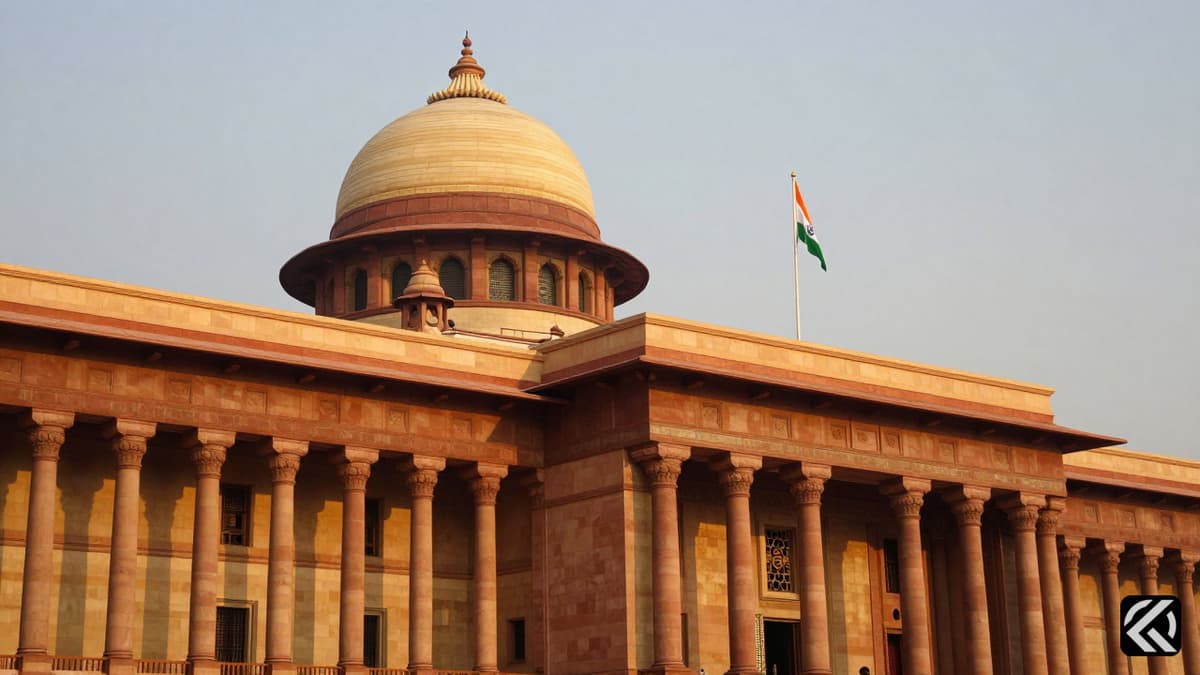
The government assures no state will lose proportional strength following the new delimitation, countering fears that stabilized populations will lose representation in the Lok Sabha.
The government has issued a definitive clarification regarding the upcoming delimitation process, assuring that no state will suffer a loss in its political representation. This confirmation comes from a senior government functionary speaking to The Hindu on Wednesday, April 15, 2026. The statement addresses growing apprehensions that the redrawing of electoral boundaries might disadvantage certain regions. Specifically, the official highlighted that the composition of the Lok Sabha will shift in a way that benefits every state involved in the exercise.
The trigger for this official stance is the recent drafting of two critical pieces of legislation: the Delimitation Bill and the Constitution (131st Amendment) Bill. These drafts have sparked a debate regarding how representation is calculated based on the latest census figures. Critics and observers had raised valid concerns that states which have managed to stabilize their population growth could see a reduction in their relative strength within the Lok Sabha. However, the government's position stands in direct opposition to this fear, asserting a universal gain rather than a selective loss.
In a move to provide official validation, the senior functionary stated that Home Minister Amit Shah will personally clarify these points when the parliamentary session commences. The debate on the newly introduced bills is scheduled to open on Thursday, April 16. The Minister will explicitly address the mechanics of the new law during the proceedings. This direct engagement from the top leadership aims to dispel the confusion surrounding the reapportionment of seats. The government's narrative is clear: the math of the new system ensures that every state increases its share of seats rather than competing against each other for a shrinking pool of representation.

The core of the government's assurance lies in the specific mathematical framework applied to the new delimitation. According to the functionary, the outcome of the delimitation exercise will result in every single state seeing their number of Lok Sabha seats increase by exactly half. This is a significant departure from the potential scenarios suggested by the initial drafts, where a strict adherence to population figures might have led to losses for states with lower population growth rates. The new interpretation or the specific provisions in the bill ensure that proportional strength is not only maintained but enhanced for all 28 states and Union Territories.
The functionary's statement serves as a counter-narrative to the concerns that states with stabilized populations are set to lose their relative strength. The logic presented suggests that the formula used for the Lok Sabha delimitation includes a multiplier or a baseline adjustment that prevents any state from falling behind its current standing. By guaranteeing a 50% increase, the government is effectively nullifying the impact of population stabilization as a factor for reduction. This ensures that the political voice of every state is amplified in the federal legislature.
This development is particularly significant given the political climate surrounding the Constitution (131st Amendment) Bill. The legislation aims to modernize the apportionment process, but the fear of losing ground has been a major point of contention. The clarification by the senior official indicates that the legislative text likely contains safeguards or a specific implementation strategy that prioritizes universal growth over strict comparative population metrics. The government is signaling that the fears of loss were based on a misunderstanding of the final provisions of the bill.
Furthermore, the timing of this announcement, immediately prior to the parliamentary debate, suggests a strategic effort to unify the political discourse. By having the Home Minister address the Parliament directly, the administration intends to set the tone for the discussion. The clarity provided by the official is expected to reassure political leaders from southern states and other regions who have historically been concerned about demographic shifts affecting their political weight. The promise of a 50% increase across the board is a powerful political tool designed to quell dissent and foster support for the proposed changes.
The upcoming parliamentary session will serve as the definitive moment for this policy to be articulated by the highest executive authority. With the debate on the Constitution (131st Amendment) Bill and the Delimitation Bill set to open on Thursday, April 16, the stage is set for a comprehensive discussion. The Home Minister's planned clarification is expected to detail exactly how the 50% increase will be achieved and distributed among the states. This transparency is crucial for the democratic process, as it allows for informed debate and potential legislative refinement. If the fears of losing proportional strength are indeed unfounded, the Minister's words will serve as the official record that the delimitation will result in a net gain for the country's federal representation structure. The trajectory of the debate will now likely focus on the implementation details rather than the fundamental question of whether states will lose ground.
Jun 8, 2026 02:17 UTC
Magnitude 7.8 Quake Shakes Philippines, Urging Immediate Evacuations
Join 50,000+ readers getting the global briefing every morning.
No spam. Unsubscribe anytime.
Jun 8, 2026 02:17 UTC
Magnitude 7.8 Quake Shakes Philippines, Urging Immediate Evacuations
Jun 8, 2026 00:51 UTC
Trump Claims Iran Nuclear Deal Imminent Despite Diplomatic Fractures
Jun 8, 2026 00:47 UTC
Iran Fires Missiles at Israel After Beirut Strike
Jun 7, 2026 22:38 UTC
Congress Party Claims Unity for INDIA Bloc Delhi Meeting