Union Home Minister Amit Shah’s strategic vision and relentless campaigning culminated in a historic BJP victory in the West Bengal election, ending the TMC's long tenure.
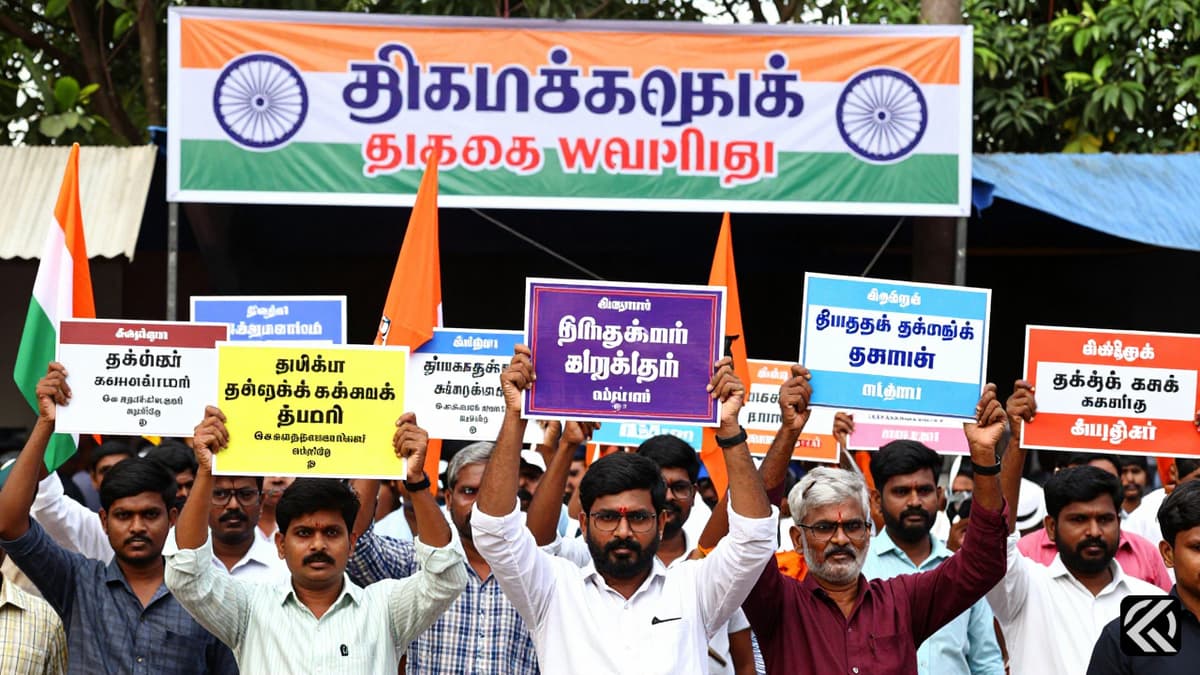
The outcome of the recent polling cycle in West Bengal has validated the bold assertions made by Union Home Minister Amit Shah prior to the voting process. Shah had confidently declared that the counting would result in a decisive shift in power, predicting a "good-bye to didi" narrative that resonated with supporters and pundits alike. This prediction was not merely rhetorical posturing but the culmination of a sustained, strategic effort to dismantle the longstanding political stronghold of Chief Minister Mamata Banerjee. As the results were announced on Monday, the Bharatiya Janata Party (BJP) successfully stormed to power, dismantling the Trinamool Congress's (TMC) grip on the state that had persisted for the past 15 years.
The immediate aftermath of the results has seen Shah’s prophecy go viral, particularly his assertion that his party would soon be governing 'Anga, Banga, and Kalinga.' This phrase is a cultural reference to Bihar, Bengal, and Odisha, indicating a broader regional dominance for the BJP. The last time one party governed these three largest eastern states was during the 1970s under the Congress party, before it gradually lost Bengal to the Communist Party of India (Marxist) in the first post-Emergency polls. The current victory marks a historic reversal of that long-standing political trend, demonstrating a significant realignment in eastern Indian politics.
The accuracy of Shah’s prediction can be traced back to his relentless focus on rebuilding the BJP's ground campaign in West Bengal. This effort began immediately after he took over as the BJP chief, driven by a resolve that never waned despite earlier setbacks. The 2021 state election disappointment and the subsequent below-par performance in the Lok Sabha elections, where the party's tally fell from 18 to 12 seats, did not diminish his determination. Instead, these setbacks provided steel to his resolve, prompting him to keep trying and improvising his political play.
Shah viewed Bengal, the birthplace of the founder of the Bharatiya Jan Sangh (the original incarnation of the BJP), as being just as important for him as Uttar Pradesh, which he won for the party in 2017. This high-stakes personal commitment was evident in his recent activities. During this campaign cycle, Shah stationed himself in the state for 15 days, a significant physical investment in the political terrain. He held over 50 public programmes, including 30 rallies and 12 roadshows, to directly engage with the electorate.
The campaign narrative constructed during this period was multifaceted. It focused on Hindu consolidation as a core strategy, contrasting it against alleged appeasement of Muslims by the Mamata government. Simultaneously, the BJP highlighted its own welfare promises, including stipends to women and unemployed youths, as a counter to the TMC government's freebie schemes. This dual approach aimed to address both ideological sentiments and economic aspirations of the voters.
Central to this organizational overhaul were Union Minister and West Bengal poll-in-charge Bhupender Yadav and BJP Secretary Sunil Bansal. A former RSS functionary who has handled the party's organisational affairs in the state since 2022, Bansal was instrumental in executing the campaign on the ground. Together with Yadav, they provided Shah with critical feedback and ensured the precise implementation of the party's strategy. The synergy between Shah’s strategic vision and the on-ground execution by Yadav and Bansal created a formidable machine that ultimately led to the BJP's sweep.
The victory in the West Bengal election is not just a local triumph but a signal of changing tides in the eastern region. The BJP’s ability to govern 'Anga, Banga, and Kalinga' suggests a consolidation of power that challenges the traditional political balance of the area. Mamata Banerjee has already alleged that the BJP 'looted' more than 100 seats and described the process as 'immoral' and 'illegal,' while vowing to 'bounce back.' However, the current political landscape indicates that the BJP has successfully capitalized on its organizational strength and strategic messaging.
The dissolution of the TMC's 15-year rule opens up new administrative and policy directions for the state. The BJP’s focus on welfare stipends and Hindu consolidation is likely to shape the governing agenda moving forward. The historical context of the Congress party losing Bengal to the CPM in the 70s serves as a reminder of the fluidity of political power in the region. The current shift underscores the effectiveness of targeted ground campaigns and the importance of leadership commitment in overcoming entrenched political structures.
The ripple effects of this victory may influence national politics significantly. The BJP’s success in West Bengal, a key swing state, could embolden its strategies in other regions where it faces strong opposition. The narrative of 'Anga, Banga, and Kalinga' under BJP rule may also influence political dynamics in Bihar and Odisha, potentially leading to further alignments or contests in those states. The end of the TMC's era in West Bengal marks a definitive chapter in Indian political history, characterized by the strategic foresight and persistent effort of key leaders like Amit Shah.
The BJP's decisive victory in the West Bengal election ends a 15-year political era and validates Amit Shah’s strategic predictions. This outcome suggests a lasting shift in eastern Indian politics, with the BJP poised to govern across Bihar, Bengal, and Odisha. The defeat of Mamata Banerjee’s stronghold indicates that organized ground campaigns and welfare-focused narratives can dismantle long-standing regimes. Future impacts may include strengthened BJP influence in neighboring states and a redefined political discourse in the region, driven by the party’s consolidated organizational power and strategic messaging.
May 4, 2026 17:13 UTC
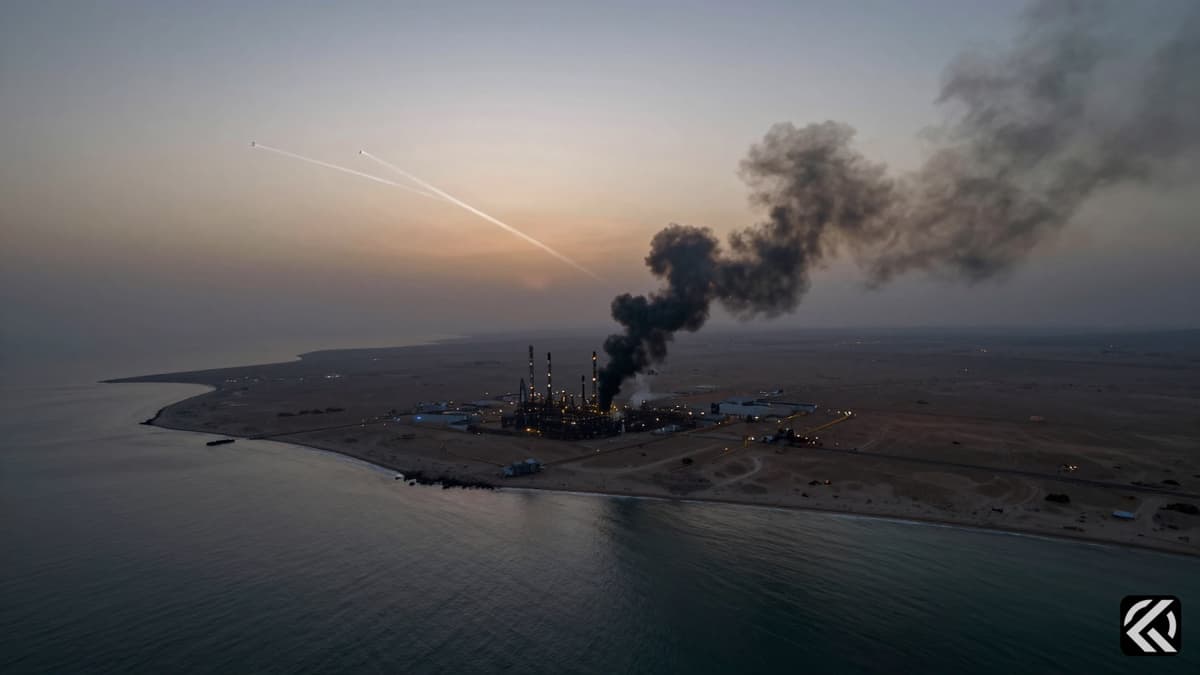
UAE Intercepts Iranian Missiles Amid Escalating Strait of Hormuz Tensions
Join 50,000+ readers getting the global briefing every morning.
No spam. Unsubscribe anytime.
May 4, 2026 19:32 UTC
West Bengal Elections 2026: Counting Begins Amidst SIR Impact
May 4, 2026 17:13 UTC
UAE Intercepts Iranian Missiles Amid Escalating Strait of Hormuz Tensions
May 4, 2026 15:53 UTC
BJP Secures Historic Mandate in West Bengal
May 4, 2026 15:20 UTC
US Launches Project Freedom to Guide Ships Through Strait of Hormuz