Tehran has officially rejected Washington's latest peace terms, setting strict conditions including reparations and sovereignty over vital waterways as missile exchanges escalate.
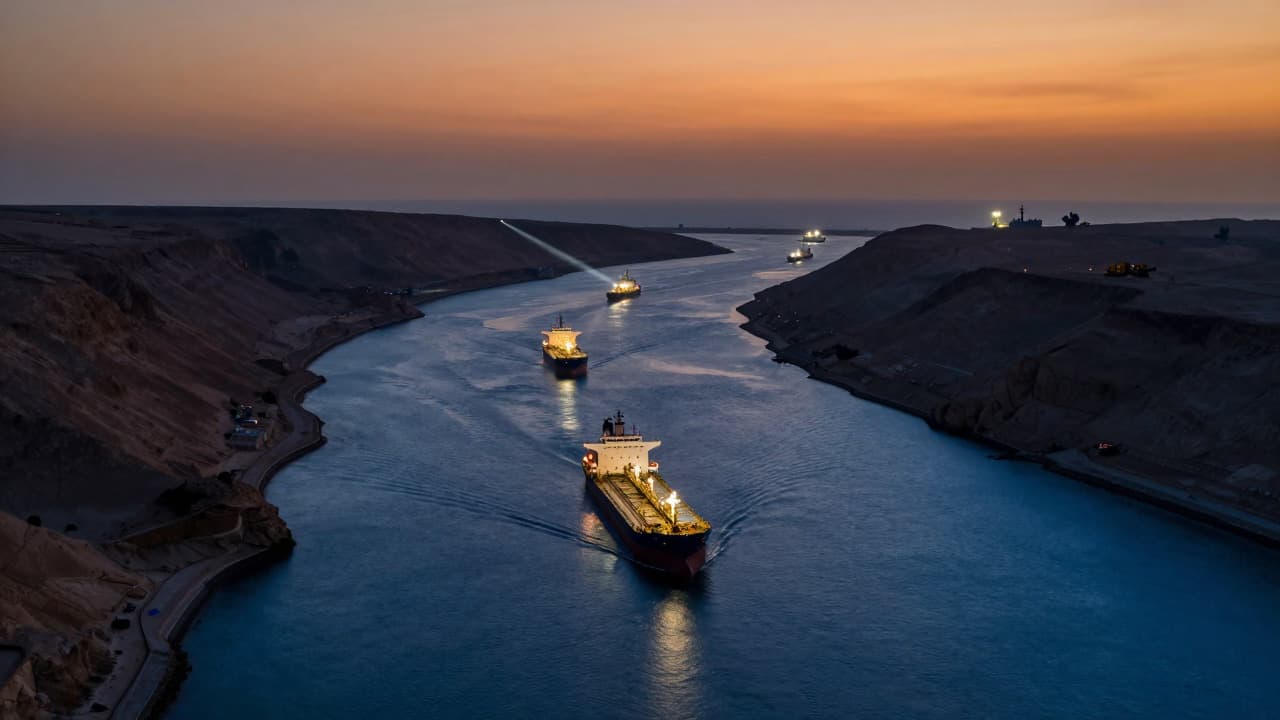
Iran on Wednesday, March 25, 2026, officially dismissed a US proposal to end the ongoing conflict, simultaneously laying out its own stringent terms for peace while continuing to exchange fire with Israel. The U.S. initiative had offered a ceasefire and relief from sanctions in exchange for Tehran abandoning its nuclear program and reopening the Strait of Hormuz. However, the Islamic Republic has rejected these conditions, insisting instead on a complete halt to aggression, reparations for damages, and formal recognition of its Strait of Hormuz sovereignty.
The conflict, which the US and Israel launched on February 28 following the assassination of Supreme Leader Ayatollah Ali Khamenei and other leaders, has seen no signs of de-escalation despite diplomatic maneuvering. According to state-run Press TV, Iran has outlined five specific prerequisites for ending the hostilities, including concrete mechanisms to prevent future attacks and an end to fighting on all fronts. A senior security official, speaking anonymously, told Press TV that Washington's proposals were "excessive" and "disconnected from reality," asserting that Tehran would end the war only when its own conditions were fully met. The official noted that the US had communicated these plans through various diplomatic channels, including a delivery by Islamabad, which reportedly included demands for limits on Iran's missile program and restrictions on its support for non-state militias like Hezbollah and Hamas.
Amidst these geopolitical tensions, US President Donald Trump offered a contradictory narrative from the Oval Office on Tuesday. Having previously threatened to strike Iran's power infrastructure, Trump backed off on Monday, March 23, citing ongoing talks. On Tuesday, March 24, he claimed Iran had provided him with "a very big present worth a tremendous amount of money" and suggested they were "dealing with the right people." Despite his optimistic remarks that "we are going to end [the war]," Trump deferred his threatened strikes until Friday while reports emerged of the Pentagon planning to deploy thousands of troops from the elite 82nd Airborne Division to West Asia. Iran's Parliament Speaker, Mohammad-Bagher Ghalibaf, responded sharply, warning that the generals would fail and fall victim to Israeli Prime Minister Benjamin Netanyahu's "delusions" if the US continued to escalate military presence.
The official stance from Tehran remained firmly defiant. Iran's Khatam al-Anbiya Central Headquarters explicitly dismissed reports of negotiations, stating that the US was merely calling its "defeat" an agreement. Spokesperson Lt. Col. Ebrahim Zolfaqari ridiculed the idea of negotiations in a video statement, asking if the "level of your infighting [in the US] has reached the point of negotiating with yourselves." This rhetoric coincided with continued kinetic warfare. The Israel Defence Forces (IDF) reported targeting Iran's sole submarine development facility and weapons manufacturing sites in Isfahan, alongside air defense systems. Since the war's inception, Defence Minister Israel Katz claims over 15,000 bombs have been dropped across Iran. In response, Iran fired at least 13 missile salvos at Israel on Tuesday, wounding nine people.
While diplomatic channels buzzed with conflicting claims, the physical conflict escalated on the ground and in the air. The Islamic Revolutionary Guard Corps (IRGC) announced on Wednesday that its Aerospace Force had launched missiles at central and northern Israel, as well as US bases in the Persian Gulf. The Guards claimed that strategic points and military centers in the "northern occupied territories" were "smashed under the heavy and sustained missile attacks." The IRGC specifically identified strikes on US military installations in Kuwait, Jordan, and Bahrain, including Ali al-Salem and Arifjan in Kuwait, al-Azraq in Jordan, and Sheikh Isa in Bahrain. These bases were reportedly targeted with precision missiles using both liquid and solid fuels, alongside attack drones.
The disconnect between Washington's diplomatic optimism and the reality on the battlefield remains stark. President Trump's assertion that he received a "present" worth a "tremendous amount of money" stands in direct contrast to the IRGC's statement that the US is suffering a defeat. The US Trump ceasefire proposal was delivered via Pakistani officials and included demands for a rollback of Iran's nuclear program, limits on missile capabilities, and the reopening of the critical waterway. Yet, Tehran views the war as a defense of its land against aggression, particularly regarding the Strait of Hormuz, which it asserts is its "natural and legal right." The official in the security apparatus emphasized that the war would only end when Iran decided so, highlighting that the current US demands for sanctions relief and nuclear concessions do not satisfy their core conditions for peace.
As the war enters its fourth week, the cycle of retaliation shows no sign of abating. The IDF's strikes on Isfahan, a key industrial and military hub, have been met with broad missile strikes across the region, threatening US assets alongside Israeli territory. The deployment of the 82nd Airborne Division, if confirmed, would mark a significant escalation, prompting further warnings from Iranian leadership about the consequences of testing their resolve. The situation remains volatile, with both sides claiming the upper hand in a conflict that has moved beyond territorial disputes to encompass nuclear status, economic sanctions, and the strategic control of one of the world's most vital energy corridors.
The current trajectory suggests a prolonged period of instability as Tehran refuses to negotiate on its terms of sovereignty and reparations while the US maintains pressure through threats of further troop deployment and potential strikes. If the Strait of Hormuz sovereignty remains a non-negotiable point for Tehran and the US continues to link sanctions relief to nuclear concessions, the likelihood of a sudden de-escalation appears low. The continued exchange of fire, including missile strikes on US bases in Kuwait and Bahrain, indicates that the conflict may expand to directly implicate American forces more severely than previously anticipated. Unless a fundamental shift occurs in the diplomatic posture of the US, moving from demanding concessions to addressing the five conditions laid out by Tehran, the cycle of violence is likely to continue, posing a significant risk to global energy markets and regional security.
Mar 26, 2026
Iran Rejects Trump Ceasefire, Demands Sovereignty as War Escalates
Mar 26, 2026
Iran Sets Conditions, Rejects U.S. Proposal as Iran-Israel War Rages
Mar 26, 2026
US Proposes 15-Point Deal for Iran War Ceasefire Amidst Escalating Conflict
Mar 26, 2026
Iran Denies US Talks as Trump War Plan Unfolds
Mar 26, 2026
Iran Rejects US Peace Offer, Demands Hormuz Sovereignty as War Rages