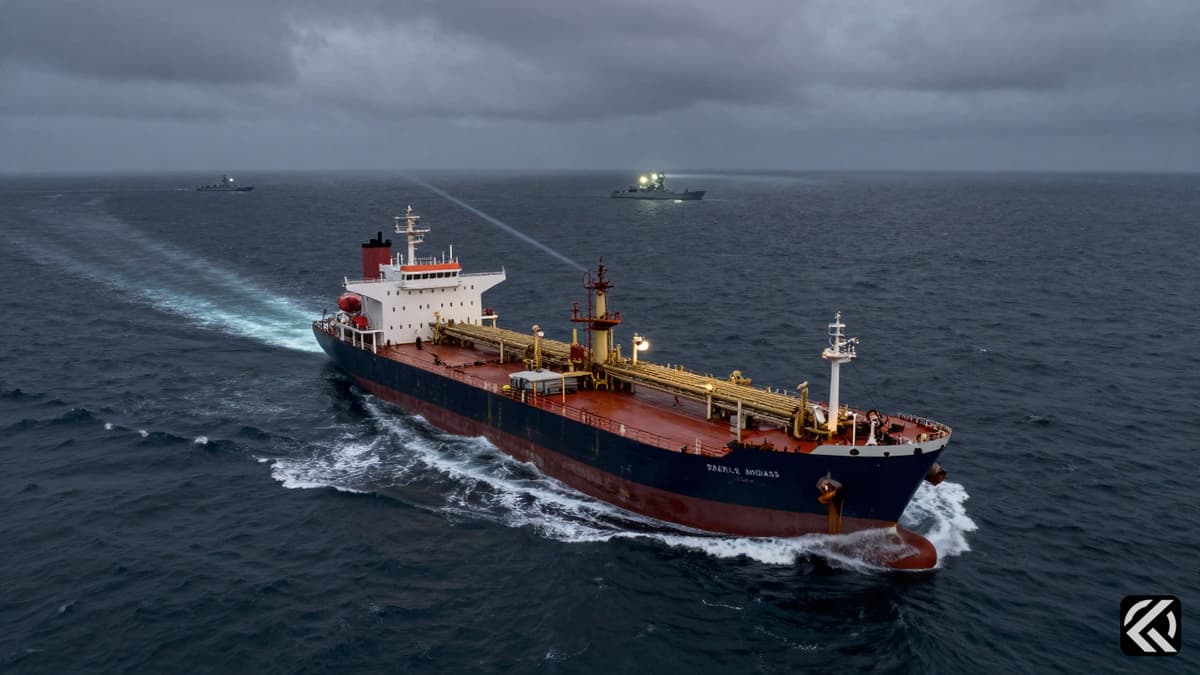
President Trump dismisses Tehran's latest peace overture, intensifying a volatile standoff over nuclear enrichment and maritime security that threatens global stability.
The geopolitical landscape shifted dramatically this week as President Donald Trump abruptly dismissed Iran's latest diplomatic overture, labeling their proposed US Iran ceasefire as “TOTALLY UNACCEPTABLE!” This rejection came mere hours after Tehran submitted its response via Pakistani mediators, seeking negotiations focused on permanently ending the ongoing conflict.
Washington’s latest proposal had outlined a complex framework aiming to end the war, reopen the strategic Strait of Hormuz, and roll back Iran’s nuclear activities. However, the US President’s swift dismissal has intensified fears of further hostilities. Trump, addressing the situation on social media, accused Tehran of “playing games” with the United States for nearly five decades, asserting, “They will be laughing no longer!” This harsh rhetoric underscores the deepening rift between the two nations as the war, which began with US and Israeli attacks on February 28, continues to rage.
The failure of this diplomatic round highlights the immense challenges facing negotiators. Iran’s state television announced that the country seeks to end the war on all fronts, specifically highlighting the fighting in Lebanon against the Iranian-backed Hezbollah militant group and ensuring the security of international shipping lanes. The state broadcaster also reported that Iran’s new supreme leader, Mojtaba Khamenei, who has remained largely out of public view since the conflict began, issued “new and decisive directives for the continuation of operations and the powerful confrontation with the enemies” during a meeting with the head of the joint military command.
While the US ambassador to the United Nations, Mike Waltz, told ABC that the administration is giving diplomacy “every chance we possibly can before going back to hostilities,” the situation on the ground suggests otherwise. The fragile truce has already been tested by incidents involving drone attacks on Gulf Arab nations. A drone ignited a small fire on a ship off the coast of Qatar, while the United Arab Emirates and Kuwait reported drones entering their airspace. The UAE claimed responsibility for shooting down two drones, blaming Iran, though no casualties were reported. Qatar’s Foreign Ministry condemned the ship attack as a “dangerous and unacceptable escalation,” warning of threats to maritime trade routes.
Meanwhile, the Strait of Hormuz, a critical artery for global oil, natural gas, and fertilizer supplies, remains largely blocked by Iran, causing significant ripples in world markets. In response, the US military has enforced a blockade on Iranian ports since April 13. The Pentagon reported turning back 61 commercial vessels and disabling four others. On Friday, US forces struck two Iranian oil tankers that were allegedly attempting to breach the blockade. Iran’s Revolutionary Guard navy has warned that any attack on its oil tankers or commercial vessels would be met with a “heavy assault” on US bases in the region and enemy ships.
A central sticking point in these negotiations remains Iran’s highly enriched uranium. The UN nuclear agency reports that Iran possesses more than 440 kilograms of uranium enriched to 60 percent purity, a technical threshold just short of weapons-grade material. Iran’s military spokesperson, Brig. Gen. Akrami Nia, told the IRNA news agency in an interview posted on May 9, 2026, that forces are on “full readiness” to protect uranium storage sites. He noted concerns about potential infiltration or heli-borne operations intended to steal the material.
Israeli Prime Minister Benjamin Netanyahu emphasized the gravity of the nuclear threat in a CBS interview excerpt aired on May 10, 2026. He stated that the war cannot end until the enriched uranium is removed from Iran. Netanyahu revealed that President Trump expressed a desire to intervene physically, saying, “I want to go in there,” and Netanyahu agreed that such an action “can be done physically.”
The Iran nuclear program remains the focal point of international concern. While the International Atomic Energy Agency director-general noted last month that the majority of Iran’s highly enriched uranium is likely located at its Isfahan nuclear complex, the facility has faced varying degrees of intensity in attacks. The complex was hit during the 12-day war last year and subjected to less intense attacks this year.
Despite the escalation, diplomatic efforts have not completely stalled. Russian President Vladimir Putin stated on May 9, 2026, that Moscow’s proposal to take enriched uranium from Iran to help negotiate a settlement remains on the table. This offer stands in contrast to the US and Israeli stance, which demands the complete removal of the material. As drones continue to target Gulf states and naval forces clash in the Persian Gulf, the window for a diplomatic solution appears to be narrowing. The combination of military blockades, nuclear proliferation fears, and rhetorical hostility from top leaders like Trump and Netanyahu suggests that the region is on a precipice. The rejection of the ceasefire proposal signals a move toward a more aggressive posture, raising the stakes for all parties involved. If military escalation continues unchecked, the humanitarian and economic consequences could be severe, affecting global energy markets and regional stability for years to come.
The immediate aftermath of Trump’s rejection of the ceasefire suggests a heightened probability of expanded military engagement rather than de-escalation. With Iran maintaining its blockade of the Strait of Hormuz and the US enforcing port blockades, the economic toll on global energy markets is likely to deepen. Furthermore, the emphasis on protecting uranium sites from infiltration, combined with Netanyahu’s admission of potential physical intervention, indicates a dangerous trajectory toward direct conflict over nuclear facilities. Without a viable diplomatic alternative, the region risks a protracted cycle of retaliation involving drones, naval skirmishes, and potential strikes on critical infrastructure, fundamentally altering the geopolitical balance of power in the Middle East.
May 11, 2026 01:10 UTC
Abraham H. Foxman, Anti-Defamation League Leader, Dies at 86
May 10, 2026 23:53 UTC
Putin Signals War End As Ceasefire Holds in Ukraine
May 10, 2026 23:05 UTC
Iran Reviews US Peace Proposal Amid Escalating Regional Conflict
May 10, 2026 21:39 UTC
Trump Rejects Iran's Unacceptable Peace Terms
May 11, 2026 01:10 UTC
Abraham H. Foxman, Anti-Defamation League Leader, Dies at 86


