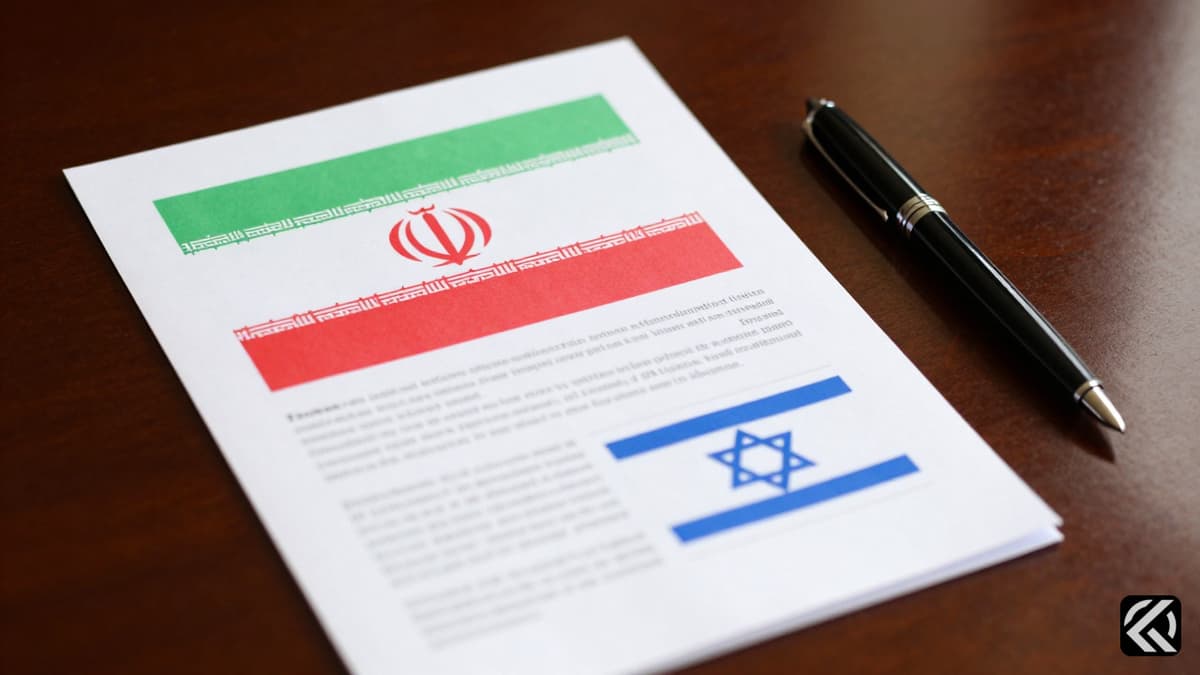
As diplomatic channels intensify, Iran reviews a critical US peace proposal while regional conflicts escalate, marking a pivotal moment for Middle East stability.
The geopolitical landscape of West Asia shifted dramatically this week as Iran announced it is still evaluating a United States’ peace proposal intended to halt ongoing hostilities. This diplomatic development coincides with intensified military actions, including Israeli strikes in Lebanon and a security incident involving a British vessel off the coast of Qatar. The convergence of high-level diplomacy and active conflict underscores the fragile state of regional stability.
Top US diplomat Marco Rubio held a critical meeting on Saturday, May 9, 2026, with the leader of Qatar. According to the State Department, this engagement highlighted the Gulf state’s pivotal role as a key intermediary for Washington. The meeting occurred as the United States awaited Tehran’s official response to its peace initiative. This diplomatic maneuvering suggests that Washington is leveraging Qatar’s influence to facilitate a de-escalation, even as tensions remain high across the region.
Meanwhile, Iran has signaled a cautious approach to the proposed ceasefire. On Saturday, Iranian officials stated that they were still in the process of reviewing the United States’ proposal linked to negotiations over the West Asia conflict. A report by Al Jazeera indicated that Tehran would issue its response “at the appropriate time,” rather than immediately. This delay creates a period of uncertainty for regional actors who are waiting for clarity on whether Iran intends to accept the terms or reject them outright.
The diplomatic efforts are unfolding against a backdrop of renewed violence. Israeli military operations continued across Lebanon on Saturday, May 9, 2026. Authorities reported that these strikes resulted in the deaths of at least nine people in the southern part of the country. Notably, the raids also targeted a highway located not far from Beirut, an area outside of Hezbollah’s traditional strongholds. This expansion of targeting zones indicates a broadening of military operations, potentially aimed at disrupting logistical lines or signaling a shift in strategic objectives.
Further complicating the security environment, the British military reported a significant maritime incident on Sunday, May 10, 2026. A ship was caught fire after being hit by an unknown projectile off the coast of Qatar. The United Kingdom Maritime Trade Operations Centre confirmed that the attack caused a small fire on the bulk carrier. Fortunately, the fire was extinguished, and there were no reported casualties. While the specific identity of the perpetrator was not immediately disclosed, the incident highlights the widespread risks facing maritime traffic in the region and the potential for collateral damage in a broader conflict.
The timing of these events is crucial. The US proposal, currently under review by Iran, represents a potential turning point for the ongoing conflict. If accepted, it could lead to a cessation of hostilities and a structured negotiation process. However, if rejected, the likelihood of prolonged conflict increases. The involvement of Marco Rubio in direct talks with Qatar’s leadership suggests that the US is actively seeking multilateral support to pressure Tehran into a favorable response. Qatar’s role as an intermediary is critical due to its established relationships with both Western powers and regional actors, including Iran.
For Israel, the current military posture in Lebanon continues to exert pressure on Hezbollah and other militant groups. The targeting of areas outside traditional strongholds near Beirut may be intended to expand the operational perimeter or to send a message of capability. However, these strikes also risk further destabilizing the region, potentially drawing in other actors or complicating future diplomatic efforts. The death toll of nine people in the latest reports serves as a grim reminder of the human cost of the ongoing conflict.
The maritime incident off Qatar’s coast adds another layer of complexity. While it may appear disconnected from the land-based conflict in Lebanon, it demonstrates the vulnerability of international shipping and the potential for the conflict to spill over into other domains. The lack of reported casualties is a positive development, but the fact that a vessel was targeted by an unknown projectile raises questions about the safety of the Persian Gulf and the Strait of Hormuz, critical chokepoints for global energy supplies.
As the world watches, the coming days will be decisive. Iran’s response to the US proposal will determine the next phase of the crisis. If Tehran engages constructively, the diplomatic track initiated by figures like Marco Rubio could pave the way for a lasting resolution. Conversely, if Iran dismisses the proposal, the region may face an intensification of military activities, with further strikes in Lebanon and continued risks to maritime security. The international community remains on edge, hoping that diplomatic channels can prevail over the current trajectory of violence.
The immediate future of the conflict hinges on Iran’s pending response to the US peace proposal. If Tehran accepts the terms, mediated through Qatar, a ceasefire could restore a degree of stability to West Asia, reducing the risk of broader escalation. However, if the proposal is rejected, the likelihood of intensified Israeli military operations in Lebanon and further maritime incidents increases. The ongoing dialogue led by Marco Rubio and others will be critical in determining whether diplomacy can outpace the momentum of war in the coming weeks.
May 11, 2026 01:10 UTC
Abraham H. Foxman, Anti-Defamation League Leader, Dies at 86
May 10, 2026 23:53 UTC
Putin Signals War End As Ceasefire Holds in Ukraine
May 10, 2026 23:05 UTC
Iran Reviews US Peace Proposal Amid Escalating Regional Conflict
May 10, 2026 21:39 UTC
Trump Rejects Iran's Unacceptable Peace Terms
May 11, 2026 01:12 UTC
Trump Rejects Iran Ceasefire, Escalates Nuclear Standoff


