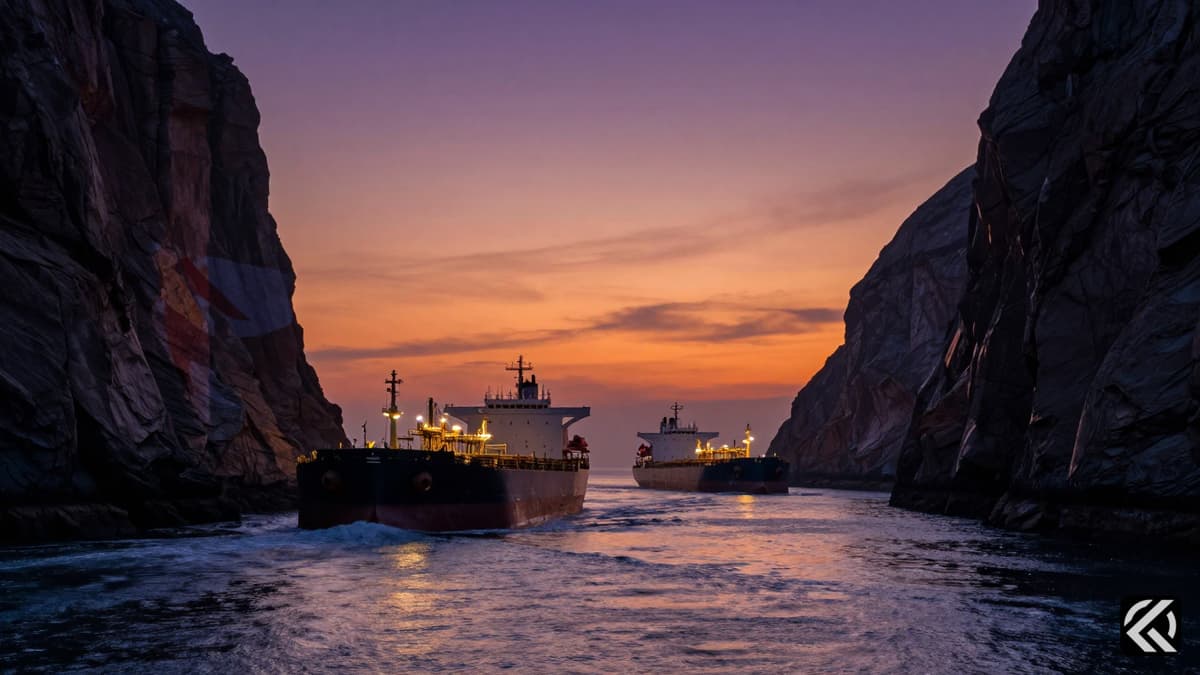
Amidst rising tensions over vital oil routes, Donald Trump demands Iran cease fees on tankers in the Strait of Hormuz and condemns inaccurate media reports on his policy.
Donald Trump, the US President, renewed a sharp warning to Iran early Friday regarding disruptions to vital oil flows. The leader of the MAGA movement posted a direct message on Truth Social accusing Tehran of charging fees to tankers transiting the Hormuz Strait. This escalation comes as tensions over the crucial maritime route have persisted for over a month, creating a volatile atmosphere in the region.
The President's post demanded immediate cessation of these fees, stating they must stop now if they exist. He followed this with further criticism, describing Tehran's handling of the route as dishonorable and violating agreements. Trump also directed his ire toward The Wall Street Journal, rejecting their characterization of his Iran policy as a premature victory. Instead, he declared that a victory has been achieved, asserting that Iran will never possess a nuclear weapon.
The rhetoric from the White House intensified as Trump defended his stance against media criticism. He explicitly labeled the editorial board of The Wall Street Journal as one of the worst and most inaccurate globally. The President argued that his success in preventing an Iranian nuclear capability is a definitive victory, not a premature one. He further predicted that oil flow would soon resume, regardless of Iranian cooperation, and vowed that the publication would eventually have to admit its errors. These comments arrived just days after a diplomatic shift occurred. Washington and Tehran had recently agreed to a two-week ceasefire, halting military actions in a move that Israel also welcomed.
Trump had signaled acceptance of Tehran's 10-point proposal, viewing it as a basis for a workable resolution. This signaled cautious hopes for de-escalation, even as the political rhetoric remained sharply charged. The President emphasized that the result of his leadership ensures that oil would start flowing very quickly. He expressed indifference to whether this occurred with Iran's help, maintaining that the outcome would be the same. The confrontation highlights the complex interplay between military posturing, economic leverage, and media narratives in international diplomacy.
The focus remains on the Strait of Hormuz, a critical artery for global energy supplies. The tension here is not merely symbolic but involves real-world economic implications for oil transport. The President's assertion that he has secured a victory suggests a belief that his policy has fundamentally altered the strategic balance. By challenging the accuracy of media reports, Trump underscores a pattern of conflict between his administration and established journalistic outlets. This dynamic adds a layer of domestic political friction to the international standoff.
The agreement to a ceasefire provided a window for potential stability. However, the renewed warnings indicate that the underlying issues regarding tanker fees and sovereignty in the strait remain unresolved. The President's insistence on stopping fees if they exist suggests a belief that such charges are an illegal or unauthorized disruption. The narrative of victory is tied directly to the cessation of nuclear ambitions and the resumption of unhindered oil trade. The situation remains fluid, with both diplomatic channels and public statements playing crucial roles in the unfolding events.
The current diplomatic landscape is defined by a juxtaposition of aggressive public warnings and quiet diplomatic breakthroughs. The acceptance of a 10-point proposal by Tehran indicates a willingness to negotiate, yet the President's public remarks suggest that the US is not willing to accept any financial tolls on its commercial vessels. The President's confidence in the "workable" nature of the proposal hints at a strategy that balances coercion with negotiation. The timeline of the two-week ceasefire is a critical variable; if the underlying disputes over the Strait of Hormuz are not resolved within this window, tensions could flare up again. The Donald Trump administration's stance implies that the threshold for accepting Iranian actions is extremely low, particularly regarding economic interference.
The long-term impact of this exchange will likely depend on whether the "workable" basis for the agreement translates into tangible reductions in hostilities. The President's prediction of oil flow resuming quickly serves as both a confidence statement and a potential leverage point. If oil begins to flow smoothly, it would validate his claim of a victory. Conversely, if fees persist or new disruptions occur, the diplomatic trust established by the ceasefire could be eroded. The role of the media, specifically the Wall Street Journal, remains a point of contention, suggesting that internal political narratives are as significant as external geopolitical realities.
The delicate balance achieved through the ceasefire is under immediate pressure from public confrontations over economic restrictions. While the agreement between Washington and Tehran on a two-week halt to hostilities offers a path to de-escalation, the explicit demands regarding tanker fees in the Hormuz Strait reveal that core grievances remain unaddressed. The President's assertion of a definitive victory and his prediction of imminent oil flow suggest that the administration anticipates a rapid resolution to the blockade. However, the continued accusation of dishonorable conduct by Tehran indicates that mutual trust is fragile. If the fees are not halted and the Strait remains a point of contention, the window for a sustainable diplomatic breakthrough could close rapidly, potentially leading to a renewed escalation in the region. The immediate future hinges on whether the "workable" basis for the ceasefire can evolve into a lasting resolution for maritime access.
Jun 8, 2026 04:15 UTC
Trump Urges Netanyahu to Halt Iran Strike for Peace
Join 50,000+ readers getting the global briefing every morning.
No spam. Unsubscribe anytime.
Jun 8, 2026 02:28 UTC
Trump Walks Out of Meet the Press After Rejecting Evidence Demands
Jun 8, 2026 02:17 UTC
Magnitude 7.8 Quake Shakes Philippines, Urging Immediate Evacuations
Jun 8, 2026 00:51 UTC
Trump Claims Iran Nuclear Deal Imminent Despite Diplomatic Fractures
Jun 8, 2026 00:47 UTC
Iran Fires Missiles at Israel After Beirut Strike


