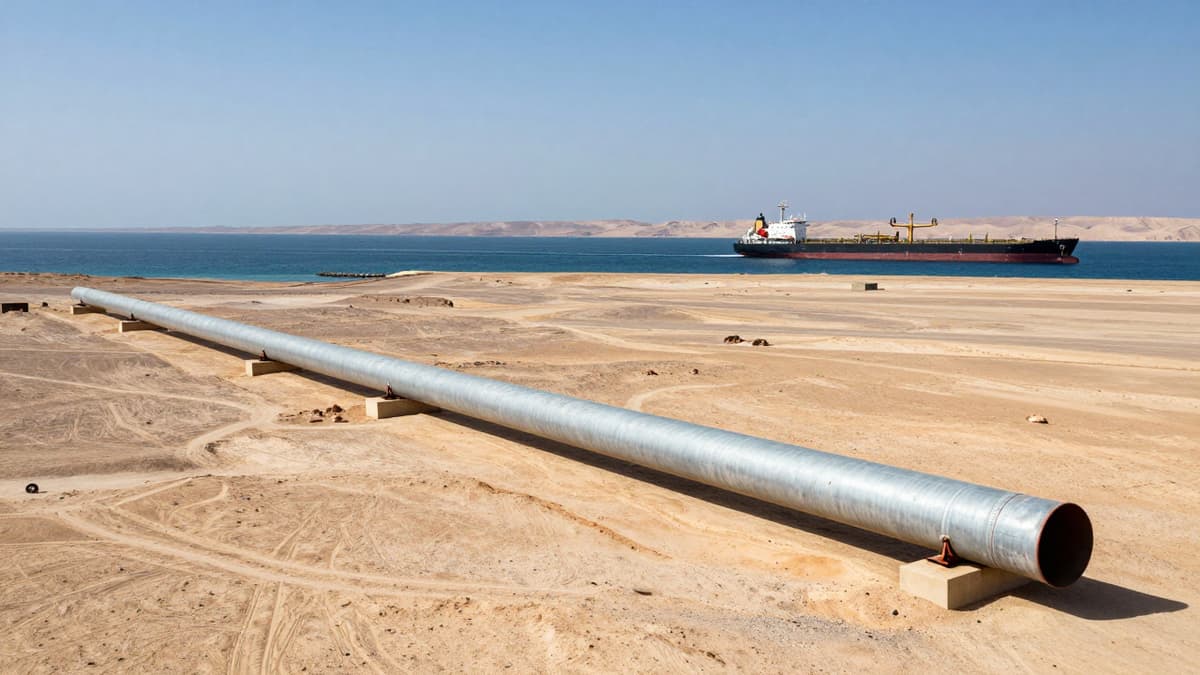
President Trump asserts the conflict with Iran is ending soon, detailing the Operation Epic Fury timeline while addressing the global fuel crisis and soaring gas prices.
In a major address delivered on Thursday, President Donald Trump provided critical updates regarding the ongoing Iran war, declaring that military efforts are approaching their final stage. The President outlined a specific timeline for the conclusion of hostilities while addressing the severe fuel crisis impacting nations globally due to disruptions in the Strait of Hormuz.
The situation in the region has escalated, prompting the administration to refine its strategic messaging amidst a public increasingly weary of conflict. Facing declining approval ratings and significant domestic concern over rising gasoline prices, Trump reiterated his administration's plan to bring the conflict to a close within the next two to three weeks. This assertion comes as Trump and his advisers have previously offered varying explanations and timelines for the war, which has now entered its fifth week. By positioning the conflict as limited and nearing its conclusion, the administration aims to alleviate public anxiety regarding the global supply disruptions and economic strain caused by the ongoing hostilities.
During the speech, the President detailed the progress of Operation Epic Fury, describing the military campaign as essential for the safety of the United States and global security. He emphasized the necessity of this operation by citing the Iranian regime's long history of aggression. Trump noted that his commitment to preventing Iran from acquiring a nuclear weapon has been a central pillar of his campaign since 2015. He referenced a 47-year history of the regime chanting "Death to America, Death to Israel" and highlighted specific past atrocities attributed to the regime and its proxies. These include the bombing of the Marine barracks in Beirut that killed 241 Americans, the attack on the USS Cole, roadside bombings resulting in hundreds of service member casualties, and the October 7th atrocities in Israel. Trump warned that the regime would utilize nuclear weapons quickly if acquired, leading to decades of extortion, economic pain, and instability that he described as worse than anything imagined.
Addressing the immediate economic fallout, Trump pointed directly to the cause of the recent surge in domestic gasoline prices. He stated that the short-term increase was entirely the result of the Iranian regime launching "deranged terror attacks against commercial oil tankers" and neighboring countries. The President urged nations facing the fuel crisis to either purchase oil from the United States or "go take it from the Strait," particularly for countries supporting what he termed aggressor nations. He argued that the United States is uniquely prepared economically to confront this threat, citing the "strongest economy in history." Trump highlighted that in one year, the administration transformed a "dead and crippled country" into the hottest economy globally, boasting no inflation, record-setting investments exceeding $18 trillion, and a stock market reaching 53 all-time record highs. This economic strength, he argued, was positioned specifically to "get rid of a cancer" known as a nuclear Iran.
Reiterating the military strategy, Trump warned that US forces would continue to strike Iran for the next two to three weeks with the intent of degrading the regime's capabilities significantly. He declared, "Over the next two to three weeks, we are going to bring them back to the Stone Ages, where they belong," signaling a continued aggressive stance before the anticipated end of the conflict. The administration's messaging appears designed to manage public perception of a war that has now lasted five weeks, offering a clear endpoint to a conflict that has caused frustration among Americans concerned about rising fuel costs and the prolonged nature of the engagement.
President Trump's address concludes with a firm assertion that the Iran war is entering its final phase, a claim that could significantly influence market dynamics and public sentiment. If the two-to-three-week timeline holds, the immediate impact on global oil prices could be substantial, potentially easing the fuel crisis that has plagued economies reliant on the Strait of Hormuz. However, the administration's aggressive rhetoric regarding "taking" oil and the characterization of the Iranian regime as a long-term threat suggests that the strategic posture will remain hawkish even as combat operations wind down. The success of this approach hinges on the public's ability to accept the proposed timeline amidst the backdrop of ongoing regional instability and the historical context of Iranian aggression outlined in the speech. The economic strength cited by the President serves as a buffer against the volatility, yet the continued pressure on the regime and the threat of further attacks on commercial vessels imply that the road to a full resolution remains steep and fraught with potential for renewed disruption.
Jun 8, 2026 02:17 UTC
Magnitude 7.8 Quake Shakes Philippines, Urging Immediate Evacuations
Jun 8, 2026 00:51 UTC
Trump Claims Iran Nuclear Deal Imminent Despite Diplomatic Fractures
Jun 8, 2026 00:47 UTC
Iran Fires Missiles at Israel After Beirut Strike
Jun 7, 2026 22:00 UTC
US, Iran Peace Hops Fade 100 Days Into War
Jun 8, 2026 04:15 UTC
Trump Urges Netanyahu to Halt Iran Strike for Peace


