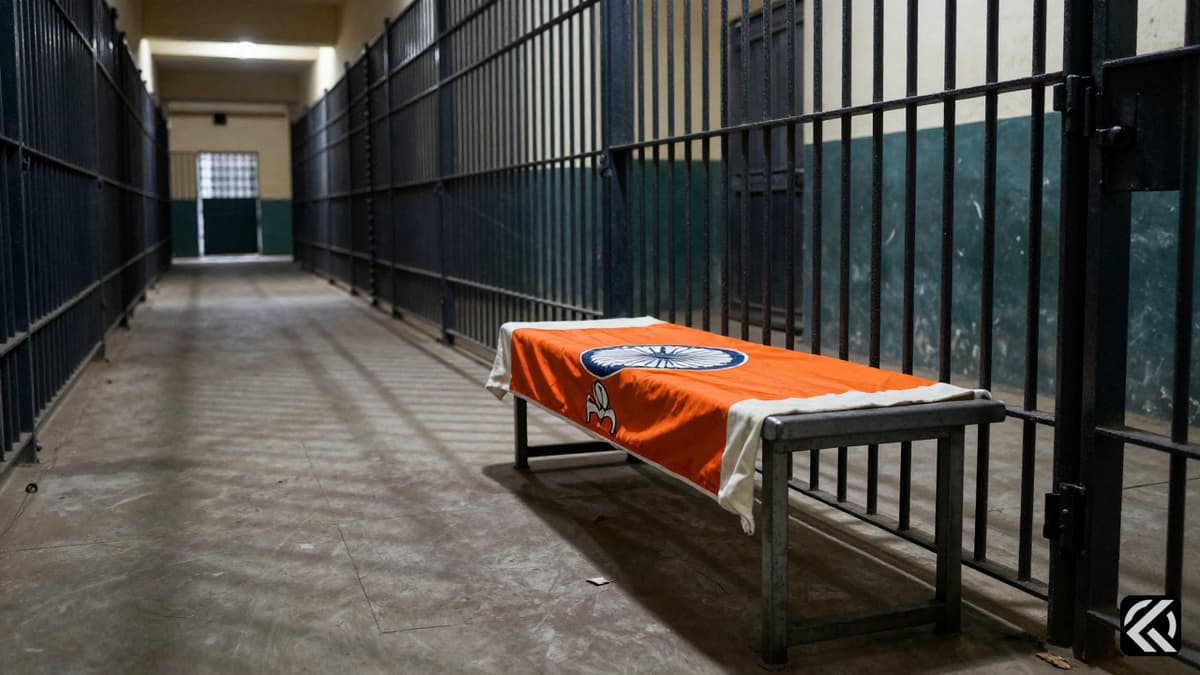
Nine police officers face the death penalty following the brutal custodial deaths of a father and son in Tamil Nadu, reigniting a national debate on police conduct.
Nine Indian police officers have been sentenced to death for the custodial killings of a father and son in 2020, marking a significant moment in the country's legal history. The two men, P Jeyaraj and his son Benicks, died in jail in the southern state of Tamil Nadu days after being detained for allegedly violating lockdown rules.
The sentencing, delivered on a Monday by the presiding judge, highlighted the brutal nature of the incident where the men were stripped and assaulted. The judge described the actions as a clear abuse of authority and stated that the officers acted with the specific intention of killing. This ruling follows a verdict last month where the officers were found guilty of murder, though they retain the right to appeal the sentence.
The brutality extended to the victim's dignity, with the judge noting that the attackers targeted unarmed individuals. The judge explicitly stated that the officers should not be forgiven or given lesser sentences based on their age or family background, emphasizing that they were all educated men who chose to inflict harm. Ten officers were initially arrested over the deaths, but the count for this sentencing stands at nine because one of the accused died of Covid in 2020.
The case has sent shockwaves through the region, triggering widespread protests in Tamil Nadu. State opposition lawmakers were among the first to take to the streets in solidarity with the families of the deceased. The outcry extended beyond the local level, with prominent national figures joining the call for accountability.
Opposition leader Rahul Gandhi and Indian cricket star Shikhar Dhawan utilized social media platforms to demand justice for the two men. Their involvement brought the issue of India police brutality back into the national limelight, forcing a re-examination of policing methods during the pandemic.
Rights groups have long argued that hundreds of people die while in custody in India every year. These organizations point out that torture and abuse used to extract confessions have unfortunately become a standard part of policing in the country. The deaths of the father and son in 2020 serve as a stark reminder of these systemic failures.
The presiding judge's remarks during the sentencing were scathing, focusing heavily on the intent behind the violence. "They did this with the intention of killing," the judge declared, underscoring the premeditated nature of the assault. The judicial commentary also addressed the demographic of the accused, noting that the officers were educated individuals who misused their status.
In a powerful statement regarding the victims, the judge remarked, "They attacked unarmed people. They should not be forgiven. They should not be given lesser sentences based on their age or family background. They are all educated." This declaration rejected the possibility of leniency, ensuring that the gravity of the crime was matched by the severity of the punishment. The judge's words framed the case not just as a legal proceeding, but as a moral imperative against the misuse of power.
The emotional weight of the case was further amplified by the circumstances surrounding the victims. P Jeyaraj, aged 58, and his son Benicks, aged 38, were detained in 2020 for keeping their mobile phone shop open. This minor administrative violation of lockdown rules escalated into a fatal confrontation. The judge described the assault as a violation of human rights, stating the men were stripped and ruthlessly assaulted in front of each other.
The broader implications of this case touch upon the ongoing crisis of police conduct in India. Rights groups continue to highlight that torture to extract confessions is often institutionalized. The deaths of the father and son have catalyzed a re-evaluation of how law enforcement operates, particularly regarding the vulnerability of citizens during times of crisis.
Tamil Nadu Justice System Reforms Following Executions
The sentencing of these nine officers to death represents a definitive judicial response to the allegations of police misconduct in Tamil Nadu. While the officers retain the right to appeal, the initial ruling signals a shift toward stricter accountability for state actors involved in custodial deaths. The fact that one accused died of Covid before sentencing highlights the challenges in prosecuting such cases, where the loss of a life during detention can complicate the legal process.
Looking ahead, the heightened scrutiny on police conduct suggests a potential long-term impact on how law enforcement agencies operate in the state. The involvement of high-profile figures like Rahul Gandhi and Shikhar Dhawan indicates that public pressure will remain a significant factor in future legal outcomes. As rights groups continue to document hundreds of annual deaths in custody, this case may serve as a pivotal precedent, potentially influencing legislation or procedural changes aimed at reducing abuse. The demand for justice, driven by both local protests and national sentiment, may lead to a more rigorous examination of police interrogation techniques and the protection of detainees' rights. However, given the history of torture being "part of policing," the systemic change required remains a substantial challenge for the authorities.
Jun 8, 2026 02:17 UTC
Magnitude 7.8 Quake Shakes Philippines, Urging Immediate Evacuations
Join 50,000+ readers getting the global briefing every morning.
No spam. Unsubscribe anytime.
Jun 8, 2026 02:17 UTC
Magnitude 7.8 Quake Shakes Philippines, Urging Immediate Evacuations
Jun 8, 2026 00:51 UTC
Trump Claims Iran Nuclear Deal Imminent Despite Diplomatic Fractures
Jun 8, 2026 00:47 UTC
Iran Fires Missiles at Israel After Beirut Strike
Jun 7, 2026 22:38 UTC
Congress Party Claims Unity for INDIA Bloc Delhi Meeting


