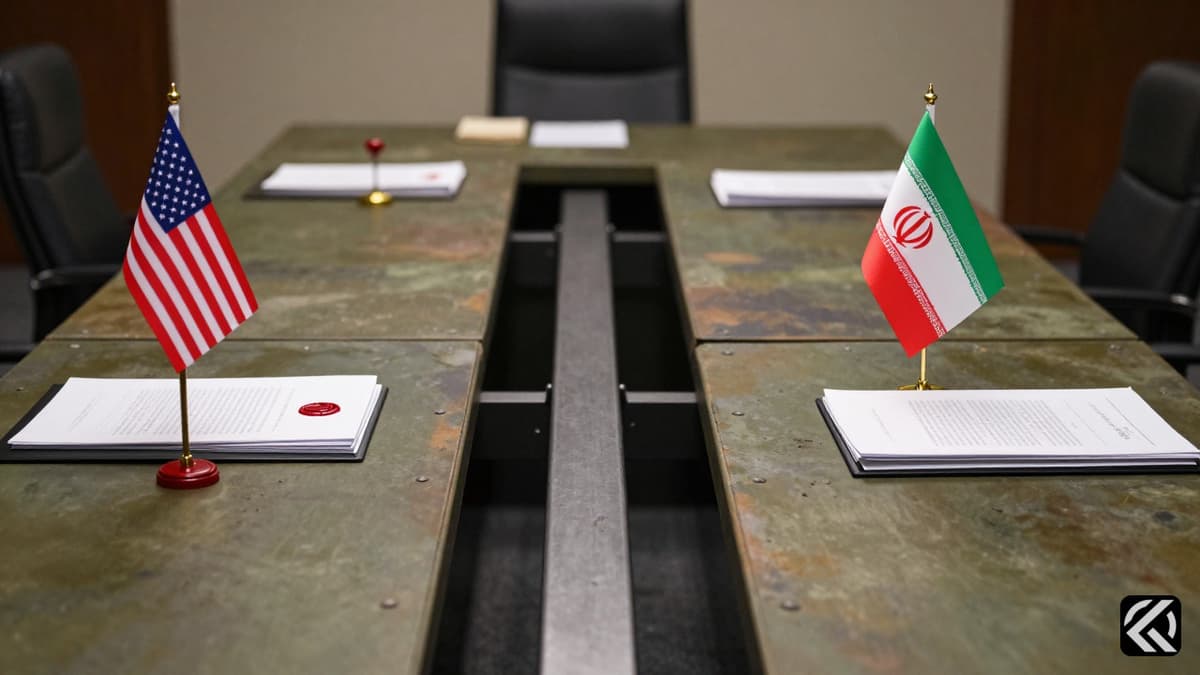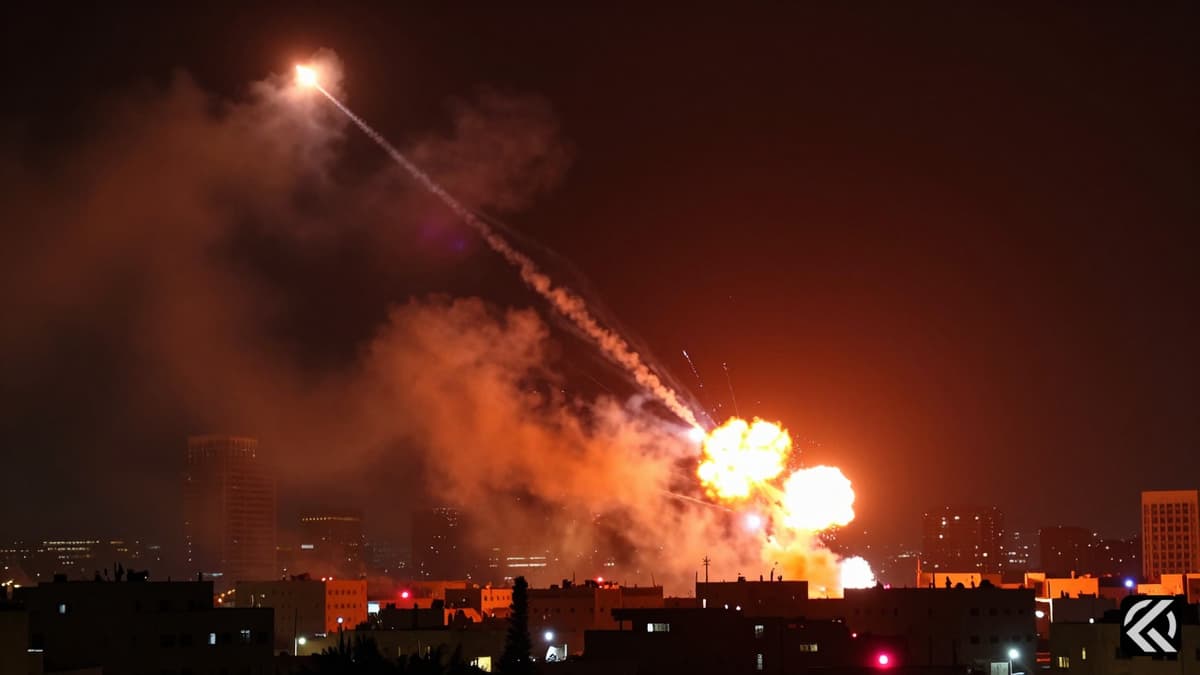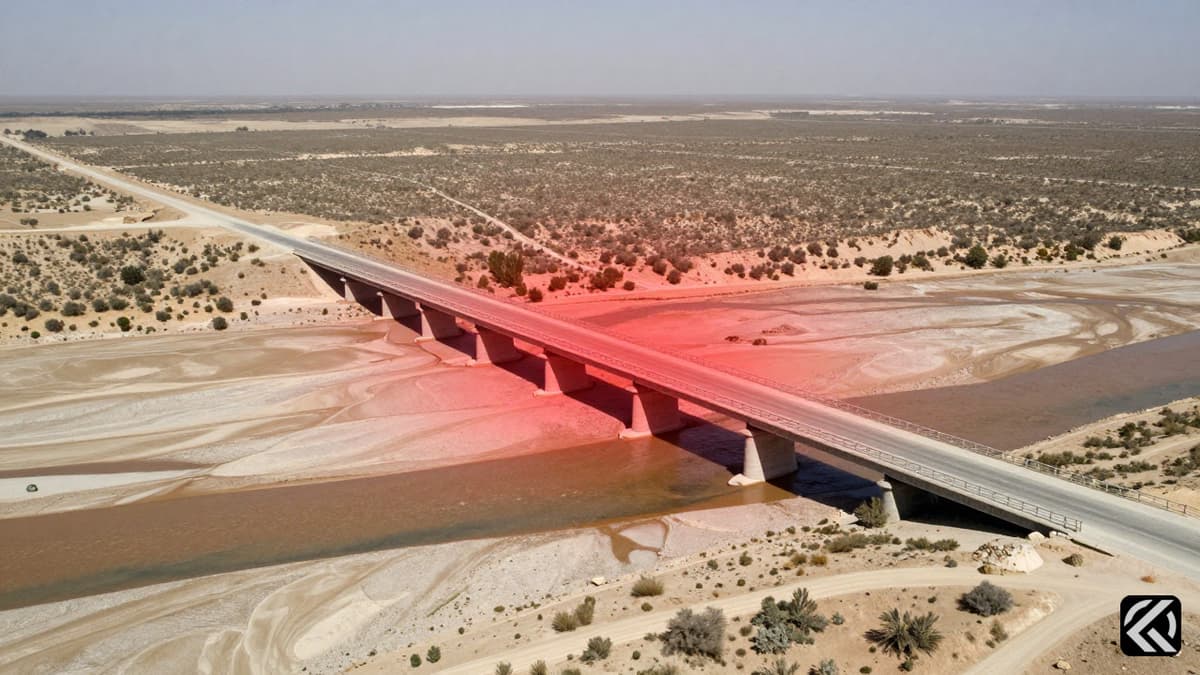
New visual data exposes five vital Iranian civilian bridges facing imminent US strikes, underscoring the content virality of the conflict and the severe advertisement of military escalation in the region.
Newly released maps and photographs have identified five critical Iranian civilian bridges that face a heightened risk of US strikes. This development marks a significant escalation in regional tensions, as the potential targets include vital infrastructure used by local populations rather than solely military installations. The timing of this revelation coincides with a period of heightened diplomatic uncertainty, where the line between deterrence and active engagement appears increasingly blurred.
The initial identification of these structures came from a detailed analysis of satellite imagery and on-the-ground photographs. These visual sources were scrutinized by analysts who mapped out the geographical locations of the bridges relative to known military movements. The focus on civilian bridges is notable, as it suggests a shift in strategic targeting criteria that could have profound humanitarian implications for the surrounding communities.
The release of this visual data has triggered an immediate reaction from international observers and regional stakeholders. The sheer specificity of the five identified locations indicates a level of precision in the intelligence gathering process, suggesting that potential targets have been pre-identified for a range of scenarios. The presence of these specific bridges in the data set points to a potential shift in tactical doctrine, where critical infrastructure is viewed as a primary lever in any potential conflict.
In response to the growing tension, officials and military analysts have been forced to reassess the security protocols surrounding these infrastructure points. The identification of civilian bridges as potential targets has sparked debates regarding the adherence to international laws of war. The governing the protection of civilian objects during armed conflict are now under intense scrutiny, as the distinction between military necessity and humanitarian risk becomes increasingly difficult to maintain in the fog of modern warfare.
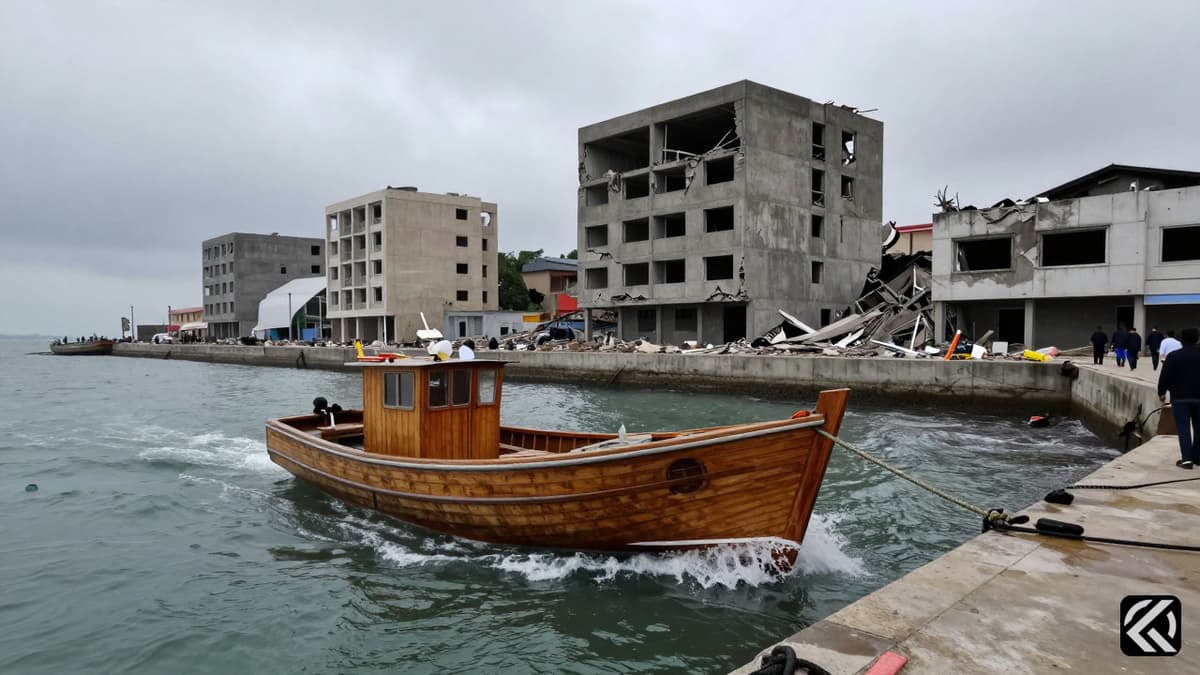
The rapid dissemination of this information highlights the power of digital media in modern conflict scenarios. The content virality of the maps and photos has ensured that the issue reached a global audience within hours of the initial release. This rapid spread of information has created a feedback loop where public pressure and media scrutiny influence the strategic calculus of military planners. The visual nature of the evidence makes the threat tangible to the average observer, transforming abstract geopolitical tensions into a concrete reality that demands immediate attention.
Furthermore, the publication of these images serves as a form of advertisement for the capabilities of the opposing force. By highlighting the specific locations and the potential for strikes, the information acts as a warning and a demonstration of reach. This visibility can be a double-edged sword; while it may deter aggression by showcasing readiness, it can also incite panic and destabilize the local populations living in the vicinity of these vulnerable structures. The clarity of the visual data leaves little room for ambiguity regarding the immediate danger these bridges face.
The identification of these five bridges represents a critical juncture in the ongoing geopolitical landscape. As the region stands on the precipice of potential conflict, the fate of these civilian structures will likely serve as a barometer for the intensity of the coming confrontation. If strikes occur, the physical destruction of these bridges could sever critical supply lines and isolate communities, compounding the humanitarian crisis.
The current trajectory suggests that without a de-escalation of rhetoric or a diplomatic breakthrough, the risk to these bridges remains alarmingly high. The visual evidence provided by the maps and photos has stripped away the uncertainty that often accompanies military posturing. It has laid bare the stark reality that civilian infrastructure is now in the crosshairs of a potential US military operation. The world now watches to see if these images serve as a final warning or if they will be followed by the realization of the threats they depict.
The convergence of visual evidence and strategic analysis points to a future where the protection of civilian infrastructure is paramount yet precarious. As the situation evolves, the international community must grapple with the ethical and legal ramifications of targeting such vital assets. The potential for these strikes to ripple through the regional economy and destabilize local populations cannot be overstated. If the predicted strikes materialize, the long-term impact on the region's infrastructure and social fabric will be severe, potentially reshaping the geopolitical dynamics of the Middle East for years to come. The images serve not just as a record of current threats, but as a grim preview of the devastation that could follow if diplomatic channels fail to prevent the escalation.
Jun 8, 2026 04:15 UTC
Trump Urges Netanyahu to Halt Iran Strike for Peace
Join 50,000+ readers getting the global briefing every morning.
No spam. Unsubscribe anytime.
Jun 8, 2026 02:28 UTC
Trump Walks Out of Meet the Press After Rejecting Evidence Demands
Jun 8, 2026 02:17 UTC
Magnitude 7.8 Quake Shakes Philippines, Urging Immediate Evacuations
Jun 8, 2026 00:51 UTC
Trump Claims Iran Nuclear Deal Imminent Despite Diplomatic Fractures
Jun 8, 2026 00:47 UTC
Iran Fires Missiles at Israel After Beirut Strike