Section
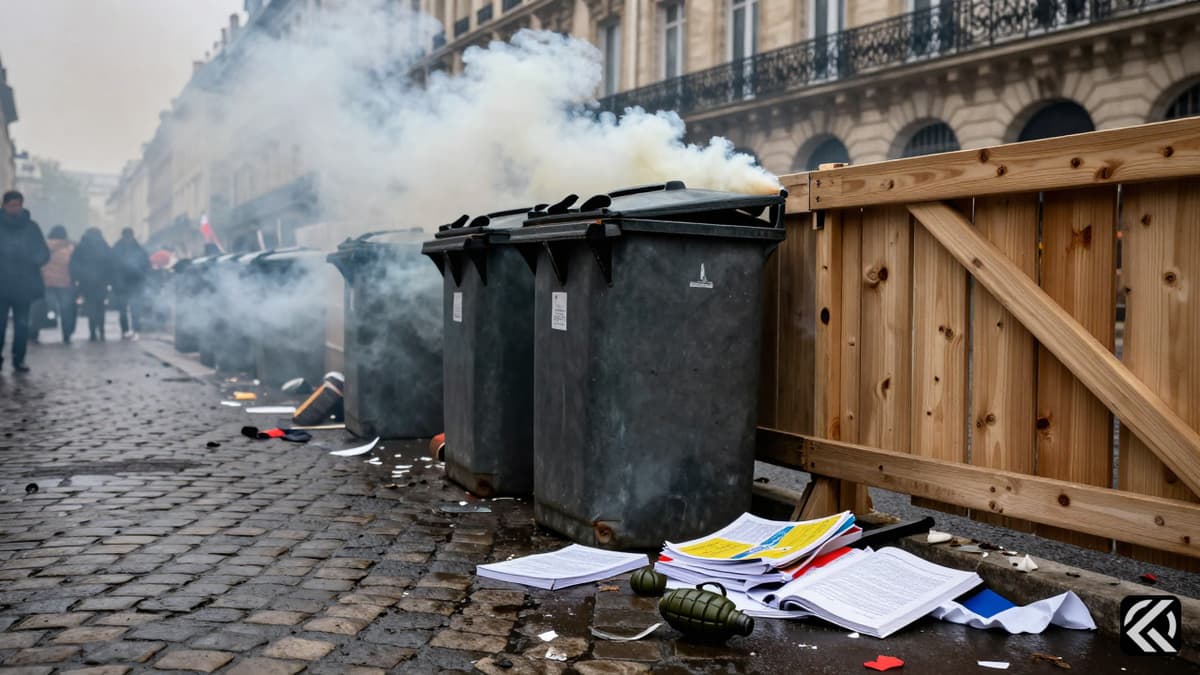
Protests in France have escalated into widespread violence and chaos. With major transport networks paralyzed and historic fires, the crisis demands urgent national attention.
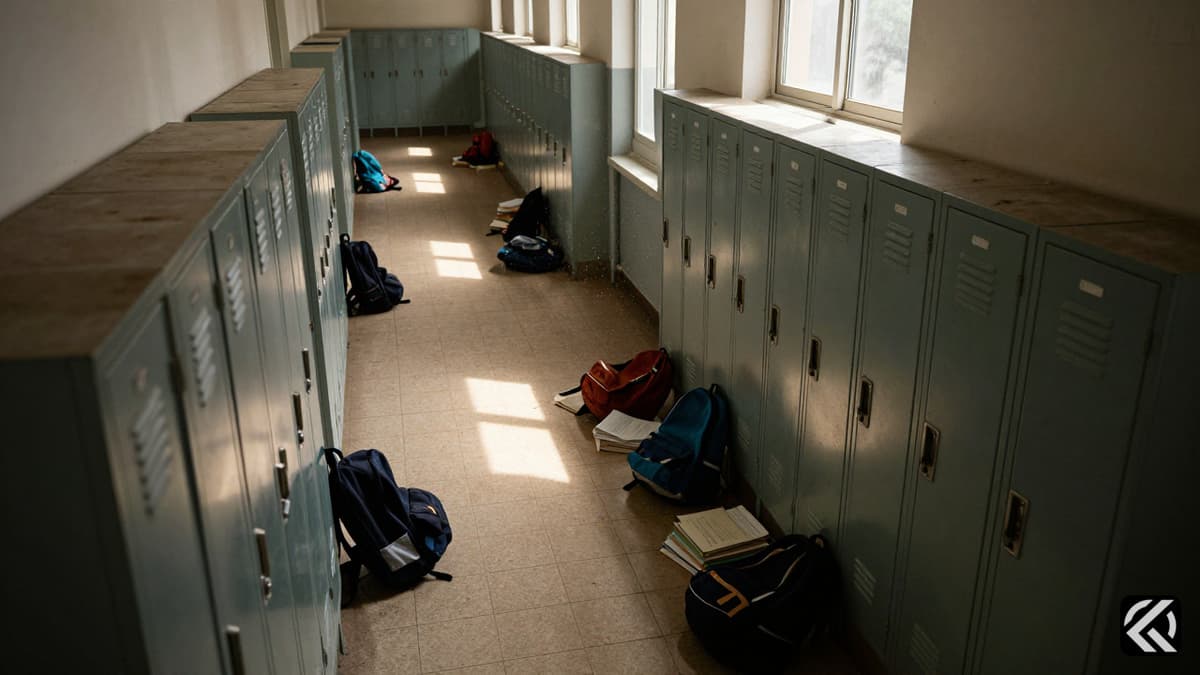
The unrest across France has intensified, with hundreds of educational institutions shut down and significant physical harm inflicted upon staff members. The situation has deteriorated from peaceful demonstrations into widespread disorder, impacting public services and student safety nationwide.
Education authorities report that 564 French secondary schools have faced disruption or industrial action since the start of the day. Minister Édouard Geffray confirmed that nearly 400 of the country's 3,700 secondary schools closed on Friday, forcing many to pivot to remote learning. The scale of the closure highlights the severe strain on the national education system.
Transport networks across the country are also grappling with major interruptions. In Bordeaux, all six tram lines faced disruption alerts due to student demonstrations. Similarly, services in Lille were halted near protest gatherings, while areas in the east near Strasbourg experienced multiple service stoppages. Newspapers report that transit in Orléans, Nice, La Rochelle, and Marseille was suspended for portions of Thursday.
The violence has taken a particularly destructive turn at the Nelson-Mandela high school in Nantes. Videos show the glass facade of the building burning as flames spread inside, damaging the cafeteria. The school, which cost €64m to build and serves 1,700 students, was set ablaze after protesters lit fires on bins outside. This specific incident, often referred to as the Nelson-Mandela high school fire, has become a defining and shocking image of the unrest.
Government officials argue that the original student demands are being overshadowed by external agitators. Justice Minister Gérald Darmanin stated that the movement had been "hijacked," noting that an "active and violent minority" is responsible for the damage. He emphasized that two-thirds of the 2,000 people arrested were placed in custody, suggesting that many perpetrators were not even students.
Minister Geffray reported that more than 100 schools have suffered severe damage. The human cost is high, with 65 staff members injured, including 40 head teachers. At the Nelson Mandela high school, 160 students were evacuated by staff before the building was secured. The minister noted that teachers reported seeing individuals in the crowd who were not their students, further fueling the belief that the France school protests have been co-opted by casseurs (vandals).
Despite the government's stance, educators and families remain deeply concerned about the root causes. Laëtitia Degeuse, a youth centre director in Rennes, described the massive police deployment as shocking. She argued that students are simply trying to study in dignified conditions, citing overcrowded classrooms and a shortage of teachers as legitimate grievances. Degeuse warned that the violence is drowning out these entirely legitimate demands.
Union representatives echo these concerns. Vincent Martin, a union member, attended a protest to support his daughter, stating that students are "fundamentally right" to demand better conditions. He highlighted specific issues such as 36 students per class in 10th grade and overheated classrooms without adequate substitute teachers.
Protesters themselves remain defiant. In Rennes, a 16-year-old protester named Lola told AFP that her school's closure was a victory. She condemned police violence, including the use of tear gas, stating it only increased anger. Another video from Marseille showed masked individuals attacking a fire engine with blunt objects and using a makeshift flamethrower, illustrating the extreme escalation of tactics employed by some groups.
The destruction of the Nelson-Mandela high school has intensified calls for accountability and systemic change. Minister Darmanin’s proposal to hold parents civilly liable for damages caused by their children marks a significant shift in the government's response strategy. This move aims to address the financial burden of the vandalism while deterring further destructive behavior. However, the deep-seated issues of overcrowding and resource shortages persist. If the government fails to address the underlying educational deficits that sparked the initial blockade, the French secondary schools may face continued instability. The long-term impact could be a further erosion of trust between students, parents, and the state, requiring a nuanced approach that balances security measures with genuine educational reform to prevent future escalations.
Oct 6, 2026 02:48 UTC
Yemen Forces Recapture Mocha in Major Counteroffensive
Oct 6, 2026 00:07 UTC
Teen Loses Hand in French School Protest Clashes Amid Escalating Violence
Oct 5, 2026 22:36 UTC
UAE Shares FlyDubai Crew Data After Pilot Seize Control Attempt
Oct 5, 2026 22:00 UTC
US Withdraws Heavy Bombers From UK Base Amidst Rising Tensions With Iran
Oct 6, 2026 08:40 UTC
Cornell Faculty Senate to Vote on Admin Over Rape Case