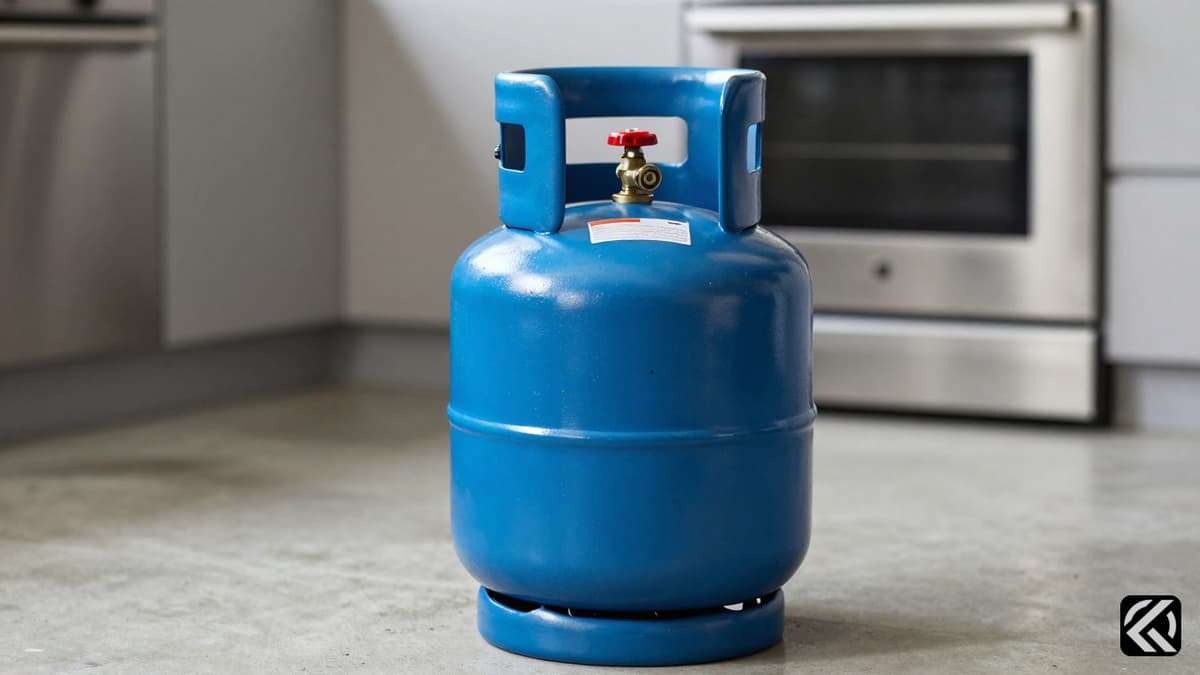
Delhi residents face higher energy costs as domestic gas prices rise again. This second hike in three months reflects ongoing global supply strains.
NEW DELHI: The financial burden on households in the capital has intensified as the price of domestic LPG cylinder units was raised. This latest increase marks the second hike in a short span, reflecting the volatile nature of current energy markets. The revision impacts millions of consumers who rely on cooking gas for their daily needs.
The specific adjustment saw the cost of a 14.2-kg cylinder climb by Rs 29. Prior to this change, the price stood at Rs 913. With the implementation of the new rates, the cost has now settled at Rs 942. This effective date of June 7, 2026, brings immediate changes to monthly household budgets across the region. Industry sources, as cited by news agency PTI, confirmed that these revised rates were put into effect on this date.
The timing of this price adjustment is not coincidental. It occurs against a backdrop of continued strain on global oil and gas supplies. The ongoing conflict in the Middle East has disrupted traditional energy corridors and reduced availability in international markets. Consequently, international fuel prices have surged, forcing domestic pricing mechanisms to adjust upward to mitigate losses.
While the base price revision is national, the final retail price charged to consumers varies by city. These variations are primarily due to differences in local taxation structures and transportation costs inherent to each region. However, the directional trend is uniformly upward, impacting the entire nation.
This recent increase follows a significant Rs 60 per cylinder hike on March 7. That earlier adjustment was also driven by disruptions in West Asia, which similarly affected global energy supplies. The recurrence of such hikes within a three-month window underscores the instability in the energy sector. Industry sources indicate that the latest increase has only partially offset the losses incurred on domestic LPG sales. This suggests that the margin for error for oil companies remains thin.
The pressure on household wallets extends beyond just cooking gas. Petrol and diesel prices have also seen substantial increases. Since mid-May, cumulative hikes of Rs 7.50 per litre have been applied to these fuels. Additionally, compressed natural gas (CNG) rates have risen by approximately Rs 6 per kg. This broad-based inflation in energy costs is reshaping the cost of living for citizens.
Despite these multiple price adjustments, the financial health of oil companies remains precarious. Reports indicate that oil companies are still selling petrol and diesel below their actual cost of production and supply. The estimated losses are substantial, running at around Rs 11 per litre on petrol and Rs 33.6 per litre on diesel. These figures highlight a critical disconnect between retail prices and underlying economic realities.
The LPG price hike is therefore not merely a routine regulatory adjustment but a symptom of deeper structural challenges in the global energy market. The inability to fully cover costs at retail prices suggests that state subsidies or other financial mechanisms may be playing a role, or that companies are absorbing losses to maintain consumer stability. However, as global tensions persist, the sustainability of such practices is questionable.
Analysts point to the geopolitical landscape as the primary driver. The conflict in the Middle East continues to create uncertainty, causing prices to fluctuate wildly on international exchanges. Any escalation in the region typically leads to immediate spikes in crude oil and gas prices. These international benchmarks directly influence domestic pricing formulas, which are updated regularly to reflect global trends.
For the average consumer, the implication is clear: energy expenses will remain high for the foreseeable future. The fact that oil companies are selling major fuels at a loss indicates that further price corrections may be inevitable to prevent severe financial distress for the sector. If losses continue to accumulate, the industry might push for more aggressive pricing strategies.
Furthermore, the variation in local taxes means that consumers in different parts of India will experience different levels of pain. Cities with higher local taxes will see steeper final prices, even with the same base national rate. This creates a disparity in the cost of living across the country, affecting lower-income households disproportionately.
The historical context of these hikes shows a pattern of reactive pricing. Authorities and companies wait for international markets to reach a certain threshold before adjusting domestic prices. This lag means that consumers often bear the brunt of global shocks after a delay. The current situation, with a second hike in three months, suggests that the market is moving too quickly for stable pricing to be maintained.
Industry experts suggest that until the geopolitical situation in West Asia stabilizes, volatility will remain the norm. Global energy supplies are tightly linked to political stability in the Middle East. As long as conflicts persist, the risk of further price increases looms large. Companies are likely to continue monitoring international indices closely, ready to adjust prices rapidly in response to any negative developments.
The broader economic impact is also worth noting. High energy costs reduce disposable income for households and increase operational costs for businesses. This can lead to a slowdown in consumption and potentially lower economic growth. The strain on domestic budgets may force consumers to seek alternative, often less efficient, energy sources or to reduce usage, which can have long-term environmental and health implications.
In conclusion, the recent upward revision in LPG prices is a direct reflection of global instability. The partial offsetting of losses indicates that the current pricing structure is under immense pressure. As international fuel prices remain elevated due to supply chain disruptions, the hope for stable or lower prices is slim. Consumers must prepare for a period of sustained high energy costs as the industry navigates through these turbulent times.
The ongoing strain on global oil and gas supplies ensures that prices will not drop soon. With oil companies still incurring losses on major fuels, further price increases are likely necessary to restore financial balance. Consumers should anticipate continued volatility in energy markets for the remainder of the year, driven by unresolved geopolitical tensions in the Middle East.
Jun 8, 2026 04:15 UTC
Trump Urges Netanyahu to Halt Iran Strike for Peace
Join 50,000+ readers getting the global briefing every morning.
No spam. Unsubscribe anytime.
Jun 8, 2026 02:28 UTC
Trump Walks Out of Meet the Press After Rejecting Evidence Demands
Jun 8, 2026 02:17 UTC
Magnitude 7.8 Quake Shakes Philippines, Urging Immediate Evacuations
Jun 8, 2026 00:51 UTC
Trump Claims Iran Nuclear Deal Imminent Despite Diplomatic Fractures
Jun 8, 2026 00:47 UTC
Iran Fires Missiles at Israel After Beirut Strike


