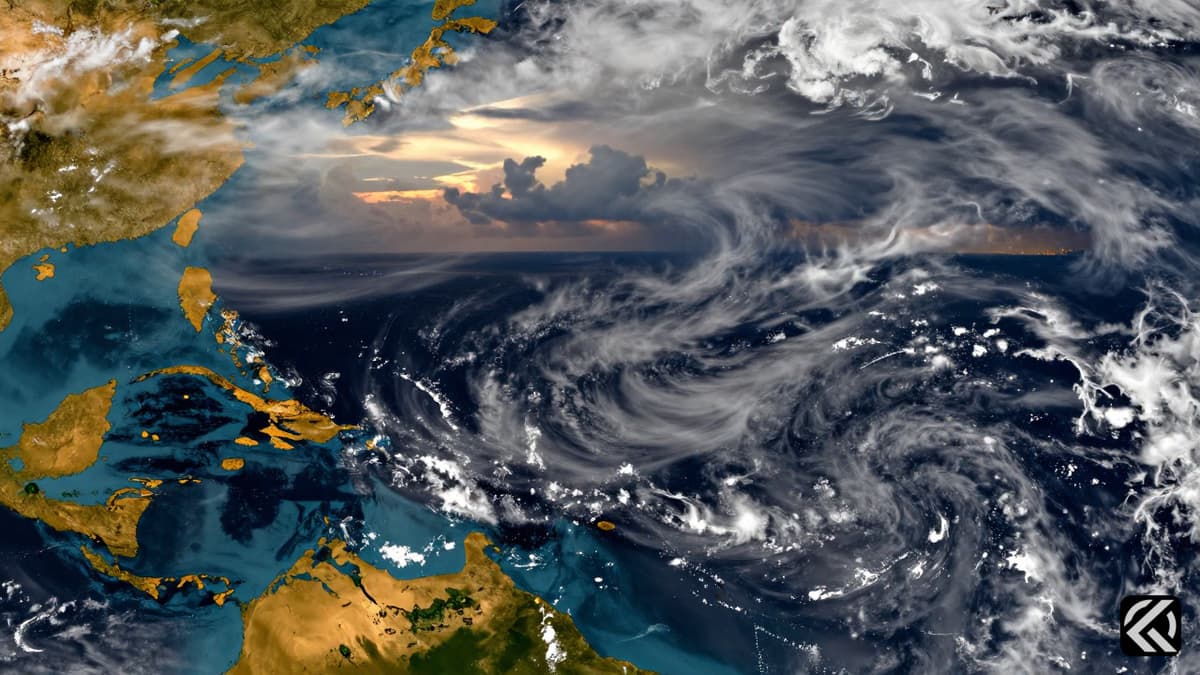
As spring blooms, experts are already projecting a quieter Atlantic hurricane season, with the powerful El Niño phenomenon poised to suppress tropical activity across the basin.
Spring has arrived in full bloom, yet weather forecasters are already looking ahead to the Atlantic hurricane season that runs from June through November. According to a new forecast from researchers at Colorado State University, this year’s activity could differ significantly from the active seasons of the past decade. The experts are predicting a slightly below-average season consisting of 13 named storms, which includes both tropical storms and hurricanes. Of these 13 storms, six are expected to develop into hurricanes, with two strengthening into major hurricanes classified as Category 3 or higher.
The primary driver behind this prediction is the impending return of the El Niño climate pattern. The La Niña conditions that persisted since the fall have ended, transitioning to neutral conditions. El Niño is expected to build later this spring and officially begin in mid-summer, aligning with the peak of hurricane season between mid-August and mid-October. This natural phenomenon, characterized by warmer-than-average waters in the equatorial Pacific, influences upper atmosphere patterns globally. Forecasters monitor El Niño closely because its effects on weather are largely consistent and predictable in advance. Specifically, El Niño conditions typically increase wind shear over the Atlantic basin, which can weaken storms by disrupting their spin or preventing formation entirely.
However, the situation is not entirely straightforward. While El Niño is the dominant factor, current ocean temperature trends present a mixed message. Ocean temperatures are warmer than normal in the western tropical Atlantic, a region typically associated with busy hurricane seasons. Conversely, the central and eastern tropical Atlantic, which usually correlates with quieter activity, currently shows temperatures slightly below normal. These sea surface temperatures will warm through the spring and summer, peaking in early September. This timing is critical as it determines the fuel source for every tropical system.
Phil Klotzbach, a senior research scientist and lead author of the Colorado State University forecast, emphasized that predicting the future this far in advance carries pitfalls, especially in a warming world caused by fossil fuel pollution. Yet, the forecast relies on sophisticated models fine-tuned over years rather than chance. Klotzbach noted that while El Niño suggests fewer storms, the pattern does not guarantee a quiet season. In 2023, El Niño conditions were present during the peak season, yet record-warm ocean temperatures acted as rocket fuel, allowing storms to thrive despite increased wind shear. Similarly, if current ocean temperatures become hotter than expected, they could negate the suppressing effects of El Niño.
The potential for rapid intensification remains a significant concern. Scientists indicate that unusually warm oceans will likely lead to more instances of storms quickly gaining strength. This mirrors the events of the previous year, 2025, which saw 13 named storms and five hurricanes, including the Category 5 hurricane Melissa that devastated Jamaica. Three of the four rapidly intensifying hurricanes that year-Erin, Humberto, and Melissa-became Category 5 monsters. If ocean temperatures surpass projections, they may chip away at the influence of El Niño, potentially leaving the door open for a busier season than currently predicted.
The Colorado State University team acknowledges the limitations of early forecasting. Their initial forecast for 2023 predicted a below-average season, yet tropical activity surged due to record-warm oceans, defying almost all early models. Similarly, their initial forecast for the upcoming year suggests a below-average trend, but they warn that significant changes can occur between now and the peak of the season. The exact timing and strength of El Niño will ultimately determine the extent of its influence. While there are early signs that El Niño could become quite strong, certainty remains elusive. As the season approaches, the interplay between the cooling influence of wind shear and the heating influence of fossil-fuel-driven ocean temperatures will define the severity of the Atlantic hurricane season.
Jun 8, 2026 00:51 UTC
Trump Claims Iran Nuclear Deal Imminent Despite Diplomatic Fractures
Jun 8, 2026 00:47 UTC
Iran Fires Missiles at Israel After Beirut Strike
Jun 7, 2026 22:00 UTC
US, Iran Peace Hops Fade 100 Days Into War
Jun 7, 2026 20:57 UTC
Iran Strikes Israel: IRGC Promises Week of Continuous Offensive
Jun 8, 2026 02:28 UTC
Trump Walks Out of Meet the Press After Rejecting Evidence Demands


