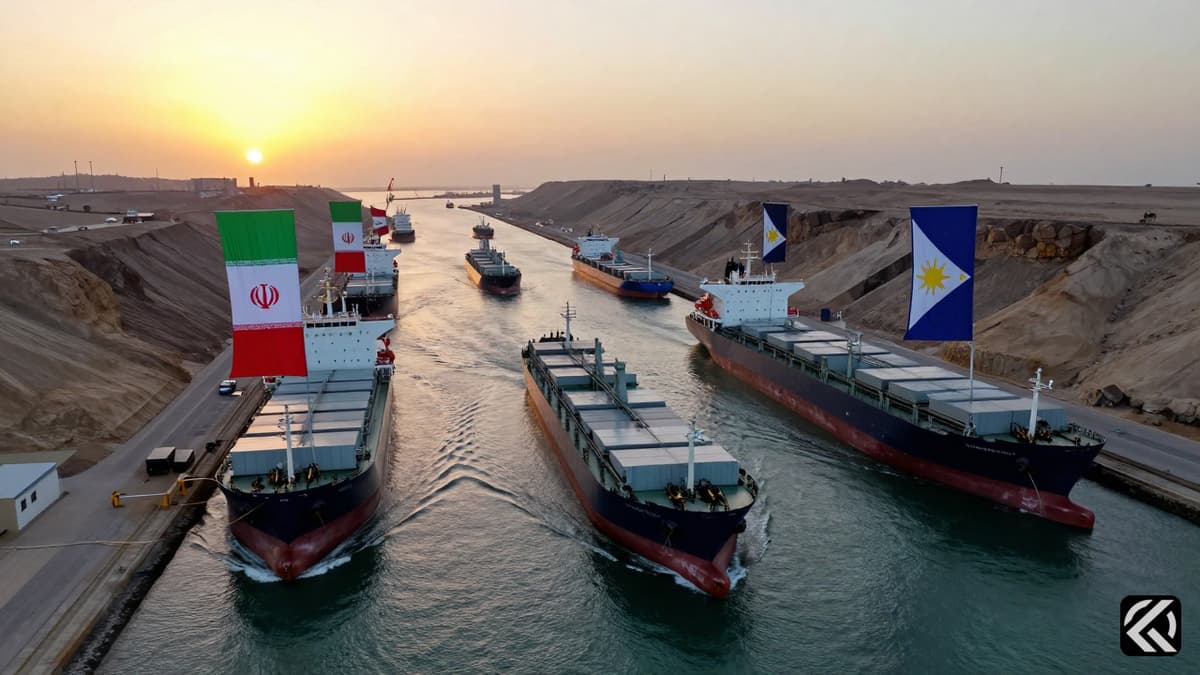
As US President Trump issues ultimatums regarding the Strait of Hormuz, a wave of diplomatic breakthroughs by Asian nations offers a lifeline for global energy shipments and regional stability.
US President Donald Trump has issued a stern ultimatum, threatening to "take out Iran in one night" if a deal is not reached by Tuesday evening to reopen the critical waterway. Despite this looming threat, a coalition of Asian nations has already secured agreements with Tehran to ensure the safe passage of their vessels through the disputed shipping lane. This diplomatic maneuvering highlights a complex geopolitical landscape where energy security is taking precedence over alliance pressures.
The crisis originated from Tehran's retaliation against US and Israeli airstrikes, which led to threats against ships in the narrow channel and a subsequent surge in global oil prices. While Trump previously claimed the US did not need Gulf oil, he has repeatedly urged other energy-reliant countries to send warships and assume responsibility for resuming shipments. However, rather than deploying military assets, several countries have opted for direct engagement with Iran to secure Strait of Hormuz access.
Dimitris Maniatis, a representative from shipping consultancy Marisks, noted that it remains unclear whether these assurances cover only specific vessels or all ships flagged under the respective countries. Nevertheless, experts agree that nations dependent on Gulf energy are recognizing a new reality: direct engagement is necessary to resume shipments. This shift in strategy was evident in the Philippines, the latest country to strike a deal.
The Philippines, a nation heavily reliant on Middle Eastern energy, declared a national energy emergency after petrol prices more than doubled. Foreign Affairs Secretary Theresa Lazaro confirmed that Iranian officials have assured "safe, unhindered and expeditious passage" for Philippines-flagged ships. This agreement, reached after a phone conversation with Tehran, is described as vital for maintaining energy and fertilizer supplies, given that the country imports 98% of its oil from the region. Roger Fouquet of the National University of Singapore's Energy Studies Institute suggests this move indicates Iran is willing to compartmentalize relations, distinguishing between a country's alliance with the US and its active participation in the current conflict.
Following the Philippines, Pakistan announced on March 28 that Tehran has agreed to allow 20 of its ships to pass through the strait. Pakistani Foreign Minister Ishaq Dar hailed the decision as a constructive gesture, stating that dialogue and confidence-building measures are the only path forward. Similarly, India has seen its tankers navigate the waters successfully. The Iranian Embassy in India posted on social media that "Our Indian friends are in safe hands, no worries," responding to comments from its South Africa office about the future of the strait. India's foreign minister, Subrahmanyam Jaishankar, attributed this passage to successful diplomacy.
China, the largest buyer of Iranian oil, also confirmed that its vessels have utilized the channel. A foreign ministry spokeswoman stated that following coordination with relevant parties, three Chinese vessels recently transited the strait, expressing gratitude for the assistance provided. Vessel-tracking data indicates that millions of barrels of US-sanctioned Iranian oil have been delivered to China in recent weeks, despite the ongoing conflict. Beijing has maintained friendly diplomatic ties with Tehran and has joined Pakistan in efforts to broker a ceasefire.
In addition to these major powers, other nations are navigating the waters. A Japanese vessel carrying liquefied natural gas passed through the strait over the weekend, with shipping firm Mitsui OSK Lines confirming the safety of the crew, though details on tolls or specific arrangements remain undisclosed. Malaysia also reported earlier in March that its tankers were cleared by Tehran, with Prime Minister Anwar Ibrahim thanking the Iranian president for facilitating the passage.
Despite these successes, significant questions linger regarding the long-term viability of these arrangements. Energy economist Roc Shi from the University of Technology Sydney observed that while these agreements represent a diplomatic breakthrough, they do not constitute a final resolution to the crisis. It remains unknown whether any tolls were paid for passage or what specific conditions govern the safety guarantees. Furthermore, the duration of these assurances is uncertain, particularly as military operations in the region could impact the stability of these deals. The scope of the exemptions remains a point of contention, with uncertainty over whether the strait is truly open to all nations except the US and its allies.
The emergence of bilateral deals between Asian nations and Iran signals a pragmatic approach to navigating the geopolitical chaos surrounding the Strait of Hormuz. As long as the core tension between the US and Iran persists, these diplomatic channels may continue to operate as a vital lifeline for global energy markets. However, the potential volatility of future military actions or a collapse in trust could quickly undermine these fragile assurances. The coming weeks will determine whether these agreements evolve into a sustainable framework for regional trade or remain temporary exceptions to a broader rule of conflict. The global economy's reliance on this waterway ensures that such diplomatic breakthroughs will be scrutinized closely as the situation develops.
Jun 8, 2026 00:51 UTC
Trump Claims Iran Nuclear Deal Imminent Despite Diplomatic Fractures
Jun 8, 2026 00:47 UTC
Iran Fires Missiles at Israel After Beirut Strike
Jun 7, 2026 22:00 UTC
US, Iran Peace Hops Fade 100 Days Into War
Jun 7, 2026 20:57 UTC
Iran Strikes Israel: IRGC Promises Week of Continuous Offensive
Jun 8, 2026 02:28 UTC
Trump Walks Out of Meet the Press After Rejecting Evidence Demands


