Despite US calls for a ceasefire, Iran rejects Washington's terms, laying out its own demands for peace including control of the Strait of Hormuz and reparations.
The United States and Iran continue to engage in diplomatic channels, even as reports surface that Tehran has rejected Washington's peace initiative. On Wednesday, March 25, 2026, the White House confirmed that US-Iran peace talks are still ongoing, a stark contrast to statements from Iranian state media claiming the capital had dismissed the American plan. This divergence highlights the complex and volatile nature of the negotiations while the two nations continue to trade fire with Israel.
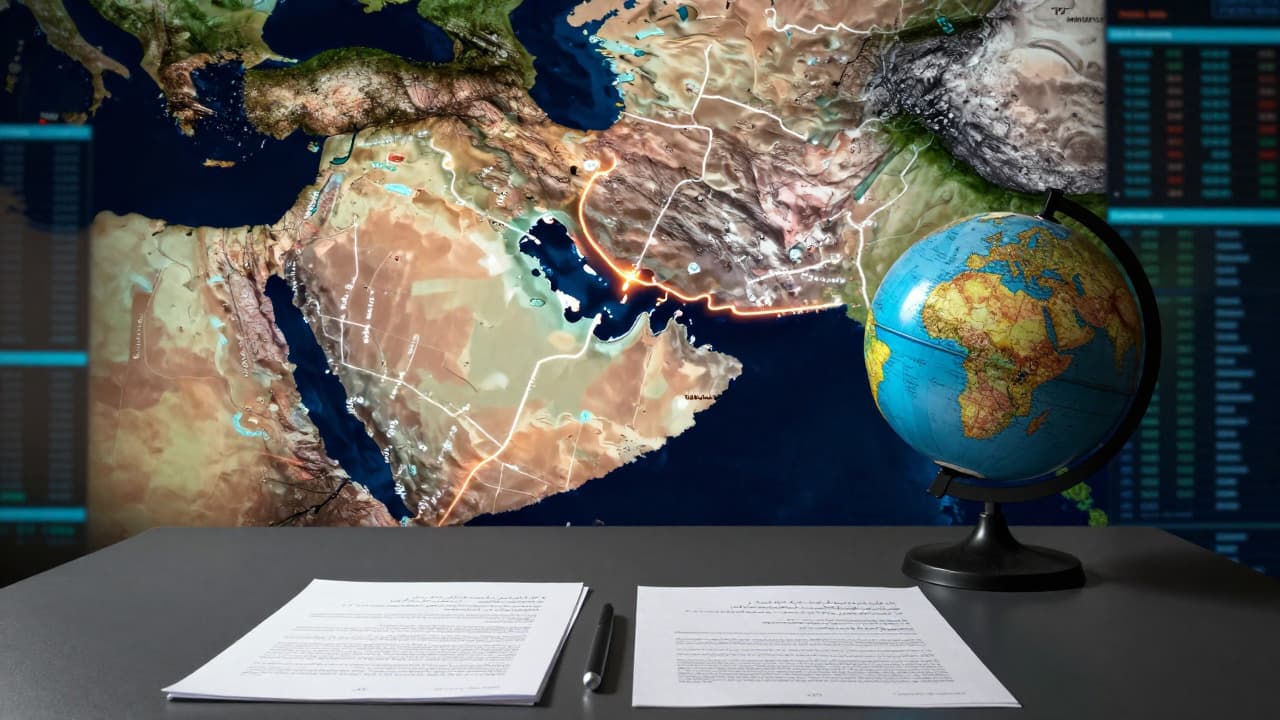
Iran has officially dismissed the US proposal, which offered a ceasefire and sanctions relief in exchange for Tehran abandoning its nuclear program and reopening the critical waterway. In response, Iranian authorities laid out five specific conditions to end the war, asserting their own terms for peace. These demands come as the region grapples with the aftermath of a conflict initiated by the US and Israel on February 28, 2026, which included the assassination of Supreme Leader Ayatollah Ali Khamenei and several other leaders.
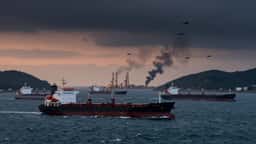
Amidst these escalations, the status of the Strait of Hormuz remains a central point of contention. The American offer linked the cessation of hostilities to the reopening of this vital global choke point, a move Iran has countered by claiming sovereignty over the area as a prerequisite for any future agreement. While the US seeks to secure the flow of energy and commerce, Iran insists on full control as part of its peace conditions, deepening the strategic rift.
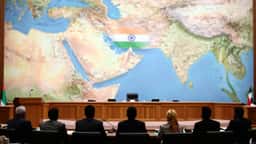
In a related diplomatic development, External Affairs Minister S. Jaishankar addressed questions regarding the alleged role of Pakistan in mediating between the US and Iran. On Wednesday, Jaishankar characterized Pakistan's involvement by terming the neighboring country a "dalal," noting that it has been playing this specific role since 1981. This comment underscores the intricate web of regional alliances and the skepticism surrounding external mediation efforts in South Asia.
Addressing criticism over India's stance during this crisis, Jaishankar defended the nation's diplomatic approach. He asserted that maintaining a balanced position is crucial given that nearly one crore Indians are living in West Asian countries. According to the minister, India holds a unique strategic and economic position that allows it to communicate effectively with all sides involved in the conflict. This balanced stance is viewed as essential for protecting India's interests and ensuring the safety of its diaspora in the region.
The five conditions proposed by Iran, while detailed in state media, frame the current standoff not as a simple negotiation but as a demand for fundamental shifts in regional sovereignty and financial accountability. The insistence on sovereignty over the Strait of Hormuz suggests a long-term strategic shift, potentially altering the geopolitical landscape of the Persian Gulf. The demand for war reparations further complicates the prospect of a quick resolution, as it implies a legal and financial reckoning with the US and Israel for the events of late February.
The divergence between the White House's assertion of active talks and Iran's public rejection creates a diplomatic gray zone. While the US maintains that dialogue is the path forward, Iran's public posture signals a hardening of its negotiating position. This dual narrative complicates the international community's ability to predict the next move in the escalating conflict. The continued trading of fire with Israel indicates that diplomatic efforts are running parallel to, but not replacing, active military engagement.
The role of Pakistan, as highlighted by Indian leadership, adds another layer of complexity. By describing Pakistan's mediation role as that of a "dalal" since 1981, India casts doubt on the neutrality and effectiveness of such third-party interventions. This historical reference suggests that the region's mediation dynamics are deeply rooted in long-standing regional rivalries rather than purely altruistic efforts to stabilize the situation.
India's position, as articulated by Jaishankar, reflects a pragmatic approach to international relations. With a significant population of citizens residing in West Asia, India's strategic interests are inextricably linked to the stability of the region. The ability to communicate with all sides serves as a critical buffer, allowing New Delhi to navigate the crisis without taking a stance that could jeopardize its citizens or economic ties. This balanced approach is a calculated strategy to preserve national interests in a volatile environment.
Iran's hardline stance on the Strait of Hormuz and war reparations, coupled with the rejection of US terms, suggests a prolonged period of diplomatic friction. Unless a compromise is reached that addresses Tehran's core sovereignty demands, the likelihood of a swift ceasefire diminishes significantly. The involvement of Pakistan as a mediator, viewed critically by India, may further fragment potential pathways to resolution, as the efficacy of such mediation remains in question.
The continuation of US-Iran peace talks alongside active hostilities indicates a fragile diplomatic channel that may not withstand the pressure of escalating military actions. The US administration's focus on sanctions relief and nuclear compliance remains at odds with Iran's demands for sovereignty and financial restitution. As the conflict persists, the risk of miscalculation increases, potentially drawing other regional powers deeper into the fray. India's continued emphasis on a balanced position highlights the global recognition that the stability of West Asia is critical for international security and economic continuity. The coming weeks will likely determine whether diplomatic avenues can override the momentum of the ongoing conflict or if the situation will spiral into a broader regional confrontation.
Mar 25, 2026
US Troops Mobilize for Gulf as Operation Epic Fury Escalates
Mar 25, 2026
US-Israel Offensive Enters Day 26 as Iran Rejects Peace Deal
Mar 25, 2026
Iran Reverses Stance with Ceasefire Demands as US-Iran Peace Talks Continue
Mar 25, 2026
India Rejects Role in Iran-Mediation, Prioritizes Energy Security
Mar 25, 2026
Iran Fortifies Kharg Island Amid Fears of US Ground Invasion