Escalation in Middle East conflict sees Trump issuing ultimatums regarding energy infrastructure while internal US dissent grows over the decision to strike Iran.
The geopolitical landscape shifted dramatically in mid-March 2026 as hostilities between regional powers intensified significantly. Following a strike on a critical energy asset, oil prices surged by as much as three percent, signaling immediate economic volatility. This market reaction coincided with a severe escalation in Tehran’s conflict involving the United States and Israel. The situation has evolved into a complex standoff involving high-stakes threats regarding energy infrastructure and significant internal disagreement within the American administration regarding the conduct of the war. The events underscore a volatile period where diplomatic channels appear strained, and military actions have triggered immediate retaliatory measures affecting global energy markets.
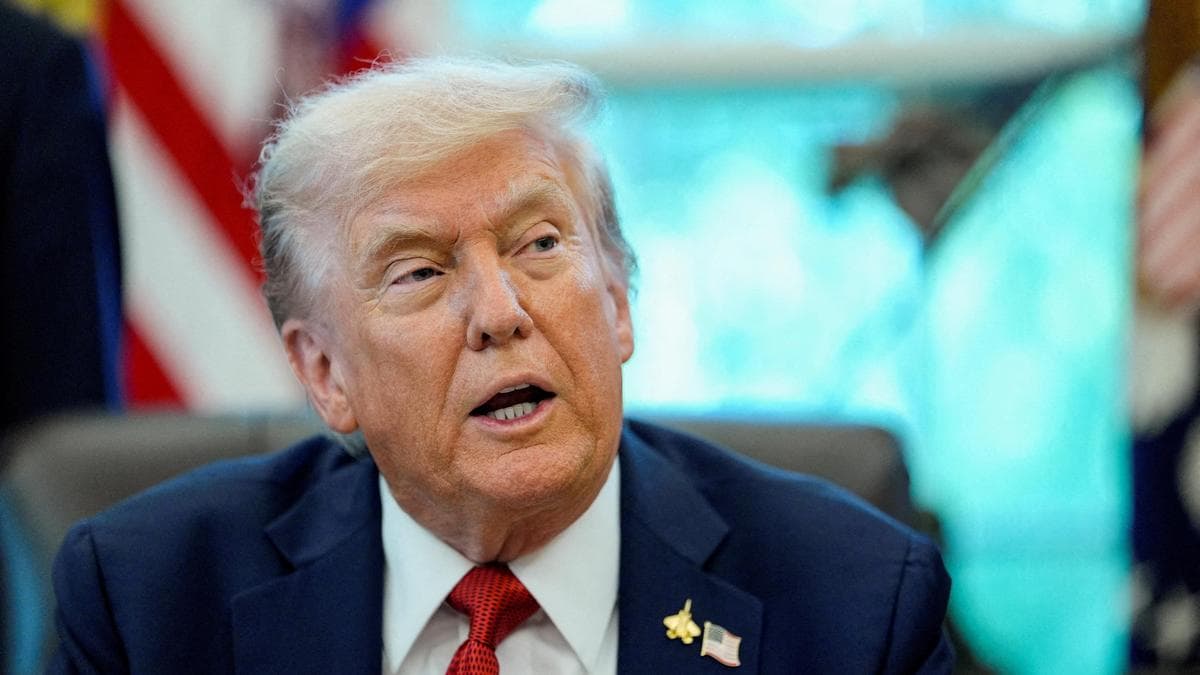
President Donald Trump utilized his social media platform to issue a stern warning regarding the South Pars gas field. This facility is identified as a key asset for Iran, and its status has become central to the current conflict. The President confirmed that Israel had conducted a strike on the field, though he noted the United States was unaware of this specific action prior to the event. This lack of communication triggered a retaliatory move by Iran against Qatar’s Ras Laffan facility. Trump stated clearly that no further attacks would be permitted by Israel concerning the field unless Iran attacked Qatar again. He promised that in such an instance, the United States would massively destroy the entirety of the South Pars Gas Field with unprecedented power. The language used suggested a level of force that Iran had never seen or witnessed before, highlighting the gravity of the threat issued by the U.S. administration.
The decision to engage militarily has not been without controversy among senior officials. Joe Kent, who served as the former counterterrorism director, resigned recently due to concerns regarding the Iran war. He appeared on a prominent conservative commentator’s show to detail the internal friction surrounding the conflict. Kent alleged that key decision-makers who held doubts about the airstrikes were not permitted to express their opinions to the President. He claimed the President relied on a small circle of advisers rather than engaging in a robust debate regarding the potential consequences. Kent suggested that Israel may have forced the President's hand despite a lack of evidence indicating an imminent threat from Iran to the U.S. These comments offer an inside glimpse into the decision-making process, suggesting there were significant concerns about the strikes within the administration that were not voiced publicly at the time.
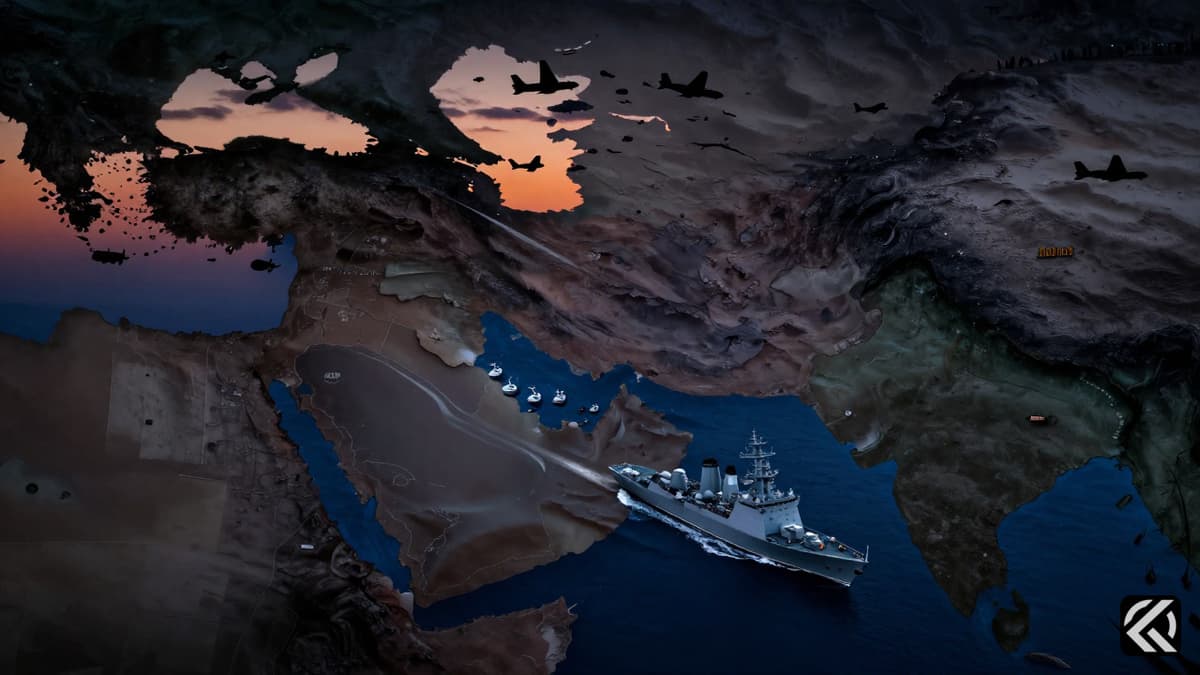
The conflict has resulted in significant collateral damage, with data indicating that children have borne the brunt of the military strikes. Since 1996, Israel and the United States are responsible for a large share of external attacks that end in child fatalities, according to data that has raised United Nations concerns over civilian harm. On the economic front, the attack on Qatar’s main gas facility was described by the Qatari defence ministry as a direct threat to national security. The facility, located on the north coast, sustained damage from ballistic missiles launched by Iran. Qatar had previously stated that attacks on the gas facility were a direct threat to its national security, emphasizing the critical nature of the infrastructure involved in this regional dispute. The surge in oil prices reflects the market's reaction to the instability surrounding these vital energy supplies.
Behind the military actions, Iran’s political landscape remains complex and influential. Ali Larijani is noted as an influential politician who acts as a backroom powerbroker within the country. His role extends to security policy and has historically involved the violent suppression of protests. This context adds depth to the understanding of the leadership dynamics involved in the current escalation, suggesting that internal security measures and external defense policies are closely intertwined within the Iranian government structure.
The ongoing conflict highlights the fragility of regional stability and the internal political risks associated with military escalation. The divergence between public statements and internal dissent points to a fractured decision-making process within the U.S. administration. As tensions remain high, the focus remains on the potential for further destruction of energy infrastructure and the humanitarian cost borne by civilians in the region.
May 3, 2026 07:26 UTC
Iran 14-point proposal tests US diplomacy as US troop withdrawal from Germany accelerates and Israel Hezbollah ceasefire holds
Join 50,000+ readers getting the global briefing every morning.
No spam. Unsubscribe anytime.
May 3, 2026 07:08 UTC
Nine Killed in Vivek Vihar Residential Fire
May 3, 2026 05:00 UTC
Trump Questions Iran's 14-Point Peace Proposal Amidst War Concerns
May 3, 2026 03:52 UTC
ECI Schedules Falta Repolling for May 21 Amidst Election Delays
May 3, 2026 01:48 UTC
Trump Reviews Iran 14-point Proposal While Lebanon Clashes Continue