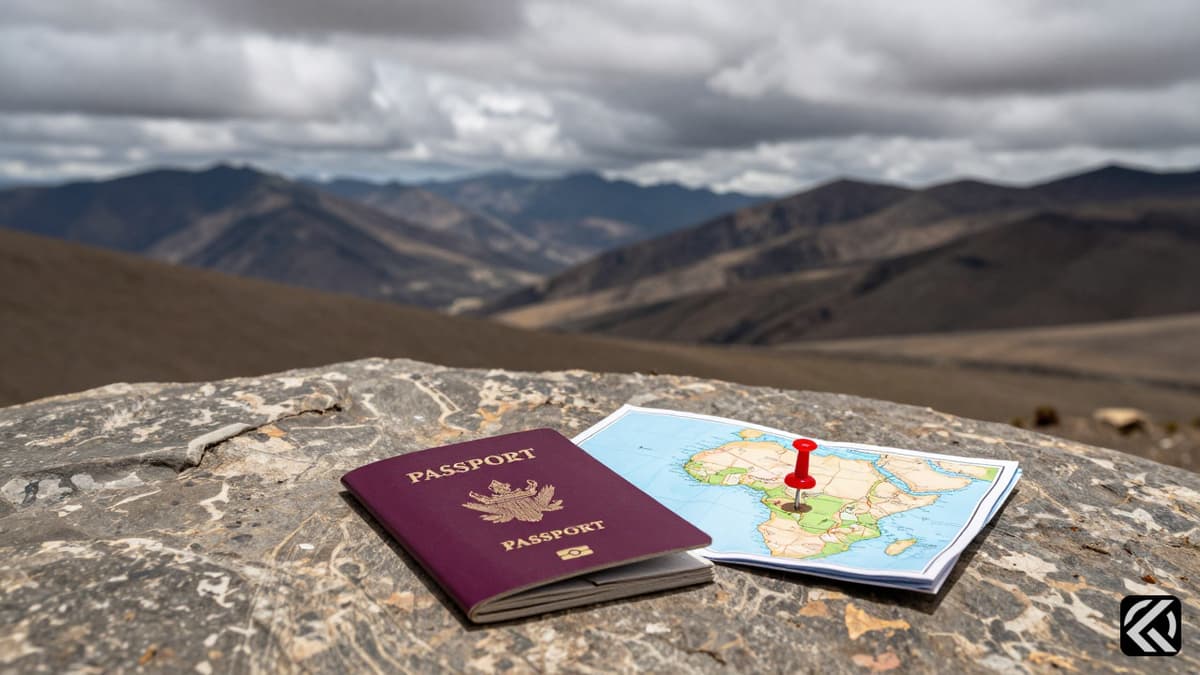
Taiwan's president successfully visits Eswatini, defying Chinese pressure and flight bans, proving Taipei's resolve to engage globally despite isolation attempts.
Taiwan President William Lai Ching-te successfully concluded a diplomatic journey to Eswatini on Saturday, defying extensive efforts by Beijing to prevent his departure from the island. His arrival underscores Taipei's determination to maintain international engagement despite significant geopolitical hurdles.
The trip was originally scheduled for late April but faced immediate and severe obstruction from regional powers aligned with Beijing. Seychelles, Mauritius, and Madagascar abruptly cancelled flight permits for Lai’s charter plane without prior notice. Taiwan’s presidential office attributed these cancellations to heavy pressure from Beijing, including economic coercion, and described the interference as unprecedented in the modern international community. Despite these obstacles, Lai confirmed in a Facebook post that his diplomatic and national security teams made "meticulous arrangements" to ensure the mission proceeded, though he declined to disclose specific logistical details regarding his mode of arrival.
Upon landing in Eswatini, formerly known as Swaziland, Lai was greeted with a military-style welcoming ceremony. He met with King Mswati III, the absolute monarch of the kingdom, and signed new trade agreements during the visit. This diplomatic outreach is particularly significant because Eswatini is currently the only country on the African continent that still maintains formal diplomatic recognition of Taiwan. The rest of Africa has shifted its allegiance to Beijing, leaving Taiwan with a shrinking network of allies that now includes Belize, Guatemala, Haiti, and the Vatican.
The Chinese government’s response to the visit was swift and dismissive. A spokesperson for China’s Ministry of Foreign Affairs labeled the trip a "laughable stunt," asserting that Lai had used a foreign plane to "smuggle" himself out of the island. Beijing continues to insist that Taiwan is an inseparable part of its territory and must come under its rule. For decades, China has aggressively pressured nations to sever formal ties with Taipei, utilizing a combination of diplomatic isolation and economic leverage to enforce its one-China policy. The cancellations by the Indian Ocean island nations demonstrate the effectiveness of this strategy, as regional players fear Beijing’s retaliation.
Taiwan operates as a self-governing democracy with its own government and military, but it remains unrecognized by the United Nations and most member states. The United States, while not officially recognizing Taiwan’s sovereignty, has pledged to help Taipei defend itself under the 1979 Taiwan Relations Act. Recent intelligence assessments from US agencies indicate that an invasion of Taiwan in 2027 is not expected, though tensions remain high. Despite the lack of broad diplomatic support, Lai reiterated that no country has the right to prevent Taiwan from contributing to the global community. He thanked King Mswati for standing with Taiwan "undeterred by various diplomatic and economic pressures," highlighting the fragile but enduring nature of their alliance.
The successful execution of this trip highlights the persistent fragmentation of global diplomatic recognition regarding Taiwan. While Beijing’s economic coercion effectively silenced several potential supporters during the transit phase, it failed to block the ultimate destination. The survival of diplomatic ties with Eswatini suggests that smaller nations may still value the unique political and economic incentives offered by Taipei over the demands of Beijing. However, the reliance on meticulous security arrangements and the threat of airspace denial indicates that such visits will become increasingly difficult and costly to organize. As China continues to intensify its pressure campaigns, Taipei’s ability to project power and maintain alliances will likely depend on deeper security partnerships with major powers like the United States. Recent developments, including a 'pivotal' deal to cut tariffs between Washington and Taipei, suggest a shift toward strengthening economic and defense ties outside of formal diplomatic recognition. This trend is likely to further isolate China in traditional diplomatic forums but may also escalate tensions in the region. The visit serves as a stark reminder that while Beijing controls the narrative of sovereignty, Taipei retains the agency to conduct its own foreign policy, even if constrained by the formidable economic and diplomatic weight of its northern neighbor.
May 3, 2026 13:20 UTC
Taiwan President Defies Beijing to Secure Eswatini Visit
Join 50,000+ readers getting the global briefing every morning.
No spam. Unsubscribe anytime.
May 3, 2026 09:00 UTC
Nine Dead as Blaze Engulfs East Delhi Building
May 3, 2026 07:26 UTC
Iran 14-point proposal tests US diplomacy as US troop withdrawal from Germany accelerates and Israel Hezbollah ceasefire holds
May 3, 2026 07:08 UTC
Nine Killed in Vivek Vihar Residential Fire
May 3, 2026 05:00 UTC
Trump Questions Iran's 14-Point Peace Proposal Amidst War Concerns


