A missile strike on Qatar's Ras Laffan complex marks a dangerous escalation in the Iran vs US-Israel war, threatening global energy security.
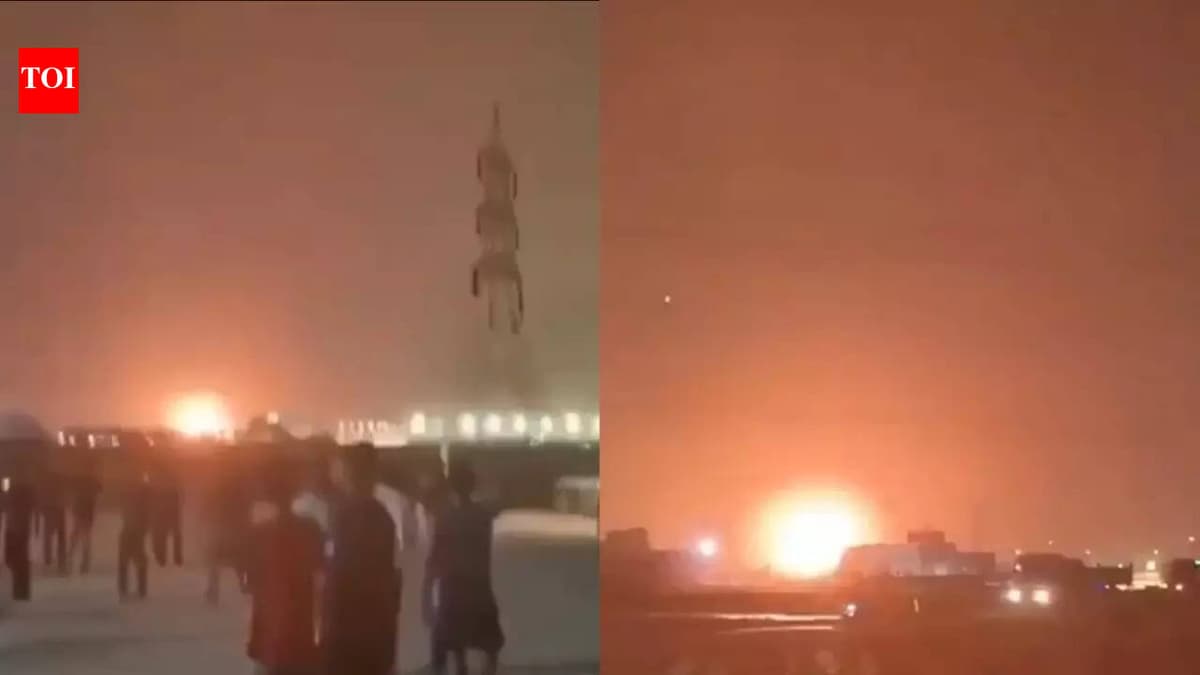
The global energy landscape has been shaken by a significant escalation in the ongoing Iran vs US-Israel war. A missile attack struck the Ras Laffan complex, one of Qatar’s most critical gas facilities, sending shockwaves across the Middle East and international energy markets. This incident marks a dangerous turning point where the conflict is no longer confined to military targets but is directly threatening the world’s most vital energy infrastructure. As emergency teams worked to contain the fire, the region found itself on edge, with the potential for a full-scale energy crisis looming large over the coming days.
QatarEnergy confirmed that extensive damage was caused by missile attacks on the Ras Laffan Industrial City, which is recognized as one of the world’s most critical LNG hubs. While the strike triggered a fire and structural damage to parts of the site, emergency systems successfully prevented a catastrophic explosion. The company verified that all personnel had been accounted for and no casualties were reported, even as civil defence teams worked swiftly to bring the fire under preliminary control. Despite the containment efforts, the damage underscores just how close the region is to a prolonged operational disruption at a facility vital to global energy supplies.
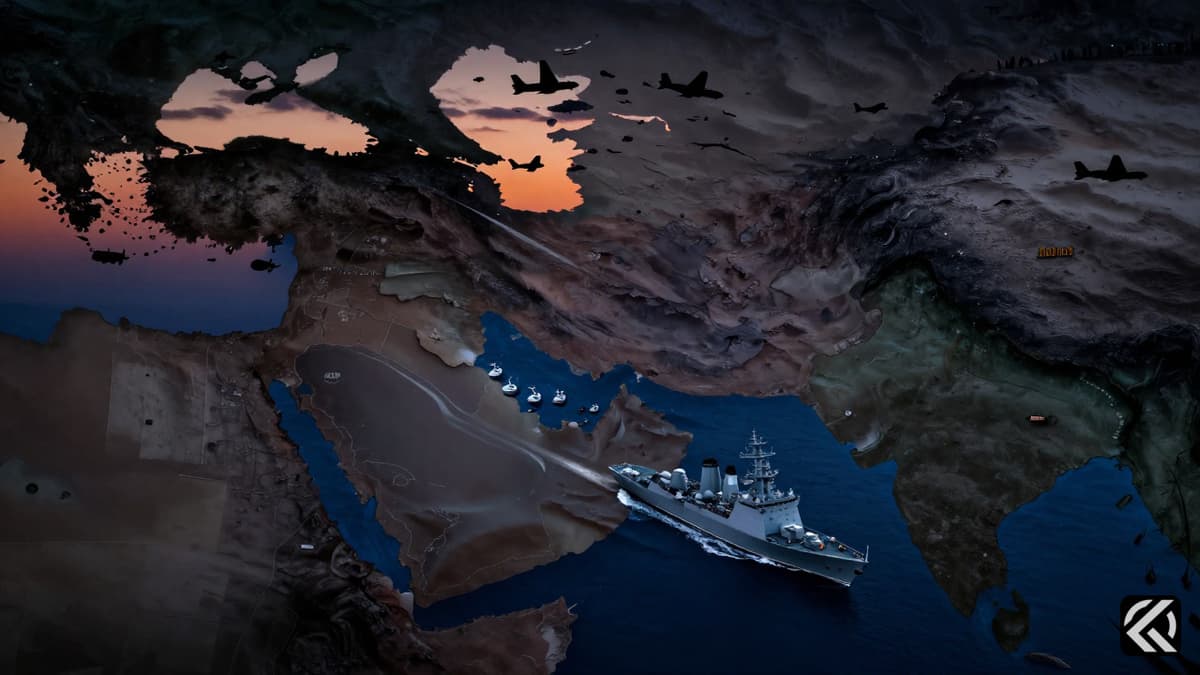
To understand the gravity of this attack, one must look at the rapid escalation over recent weeks. The conflict began in late February 2026 when US-Israel strikes hit Iranian military and energy-linked sites. In early March, Iran responded with drone and missile attacks across the Gulf. By March 2, Qatar had already halted LNG production following earlier strikes on facilities. The situation intensified in mid-March when Israel struck Iran’s South Pars gas field, a reserve shared with Qatar known as the North Field. Now, Iran has retaliated with a missile attack on Qatar’s gas infrastructure, following a sweeping warning that it could target oil and gas facilities across the Gulf.
This strike signals a strategic shift in the conflict, moving from military installations to economic targets. Energy infrastructure is harder to defend completely, economically critical, and globally interconnected, making it an attractive but highly risky target. Reports indicate that Iran had warned it could target key sites in Qatar, Saudi Arabia, and the UAE, including the Mesaieed Petrochemical Complex, Jubail Petrochemical Complex, and Al Hosn Gas Field. This shift from military to economic targets is a major turning point, as energy disruptions do not stay local but impact global fuel prices and economies.

The implications of this attack go far beyond Qatar’s borders. Qatar is one of the world’s largest exporters of liquefied natural gas, supplying energy to Europe, Asia, India, Japan, and South Korea. Even minor disruptions can have major ripple effects, causing sharp spikes in gas prices and increased volatility in oil markets. Qatar’s Foreign Ministry strongly condemned the attack, calling it a brutal act and a flagrant violation of sovereignty. Meanwhile, the UAE’s Ministry of Foreign Affairs condemned Israel’s strike on Iran’s South Pars, warning that targeting energy infrastructure poses a direct threat to global energy security.
The missile attack on Qatar’s gas facility marks a critical escalation point in the Iran vs US-Israel war. With oil prices rising and gas supplies under threat, the world is watching closely as the conflict enters a phase where energy itself has become a battlefield. The vulnerability of shared global energy lifelines, such as the North Field and South Pars, raises the stakes of retaliation across the Gulf. As countries increase air defence readiness and tighten security around infrastructure, the crisis remains a multi-layered challenge involving military escalation, civilian safety, and economic instability.
May 3, 2026 13:20 UTC
Taiwan President Defies Beijing to Secure Eswatini Visit
Join 50,000+ readers getting the global briefing every morning.
No spam. Unsubscribe anytime.
May 3, 2026 11:25 UTC
Banerjee Dares BJP to Contest Falta After Repoll
May 3, 2026 09:00 UTC
Nine Dead as Blaze Engulfs East Delhi Building
May 3, 2026 07:26 UTC
Iran 14-point proposal tests US diplomacy as US troop withdrawal from Germany accelerates and Israel Hezbollah ceasefire holds
May 3, 2026 07:08 UTC
Nine Killed in Vivek Vihar Residential Fire