
Section
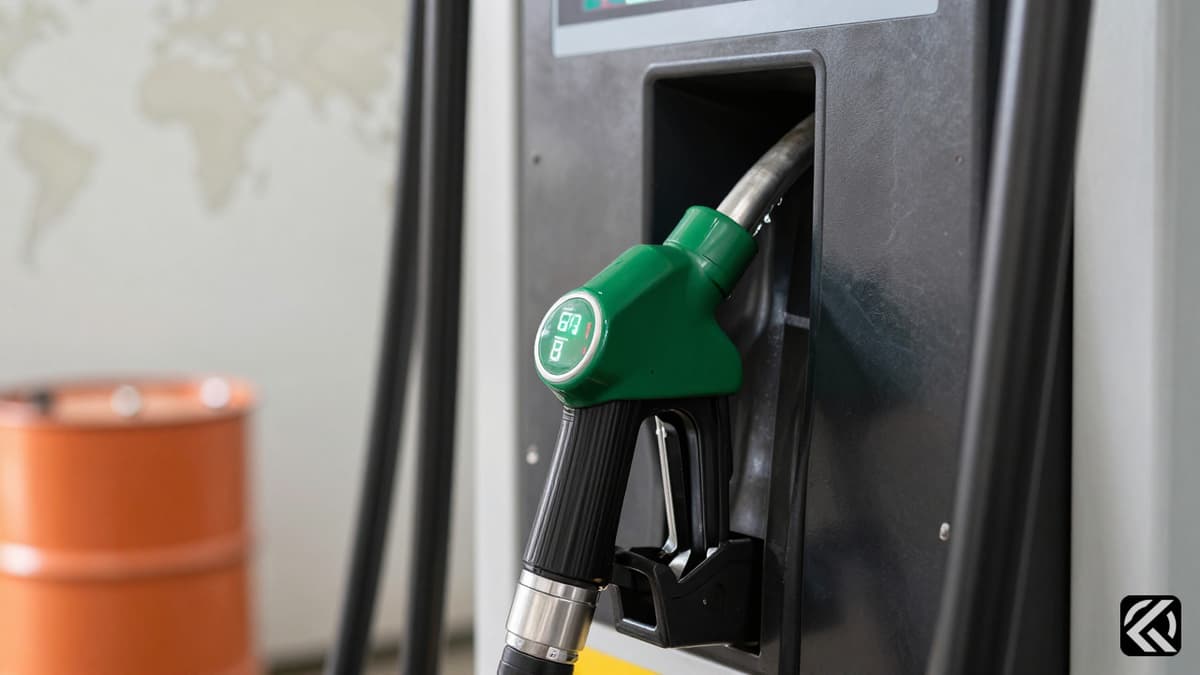
India witnesses its fourth fuel price hike in less than two weeks, further straining consumer budgets amidst rising global crude costs and a weakening rupee.
Fuel prices in India were raised again on Monday, with petrol costs increasing by Rs 2.61 per litre and diesel by Rs 2.71 per litre. This latest adjustment marks the fourth price hike in less than two weeks, intensifying financial pressure on households and transportation sectors. The revision follows a pattern of frequent updates driven by volatile global energy markets and currency fluctuations.
The immediate trigger for this latest round of increases is the elevated global crude oil prices, which have climbed more than 50% since late February. This surge is attributed to US-Israeli strikes on Iran and disruptions in shipments through the Strait of Hormuz, a critical artery for global oil supplies. Retail prices had remained largely unchanged for nearly four years before the recent revisions began earlier this month, leading to a sharp correction in pump prices.
Petrol price hike measures are now pushing retail costs to their highest levels since May 2022. Following the latest revision, cumulative increases in petrol and diesel prices have neared Rs 7.5 per litre since fuel price adjustments resumed on May 15 after an extended freeze. In Delhi, petrol prices rose by Rs 2.61 per litre to Rs 102.12 from Rs 99.51, while diesel rates increased by Rs 2.71 to Rs 95.20 per litre from Rs 92.49.
The historical context of these hikes reveals a rapid acceleration in pricing. Petrol and diesel prices were first raised on May 15 by Rs 3 per litre each. This was followed by another increase on May 19, when rates went up by 90 paise per litre. On May 23, petrol prices were increased by 87 paise per litre while diesel rates rose by 91 paise. Monday’s increase continues this upward trajectory, impacting consumers who have already absorbed significant costs in a short period.
State-run fuel retailers Indian Oil Corporation (IOC), Bharat Petroleum Corporation Ltd (BPCL), and Hindustan Petroleum Corporation Ltd (HPCL) together account for around 90 per cent of India’s fuel retail market. These public sector units adjusted their rates, prompting private fuel retailers to revise their prices alongside them. Every time public sector firms raised rates, companies such as Nayara Energy followed with similar hikes in petrol and diesel prices.
The impact is visible across major metropolitan cities. Petrol at public sector fuel stations in Mumbai is now priced at Rs 111.21 per litre, while diesel costs Rs 97.83. In Kolkata, petrol is retailing at Rs 113.51 per litre and diesel at Rs 99.82. Chennai has petrol prices at Rs 107.77 per litre, while diesel is being sold at Rs 99.55. Fuel prices continue to differ from state to state because of variations in local taxes.
Private sector dynamics also played a crucial role in this period. Nayara Energy had increased petrol prices by Rs 5 per litre and diesel by Rs 3 per litre in March. Shell, meanwhile, raised petrol prices by Rs 7.41 per litre and diesel prices by up to Rs 25 per litre from April 1. Jio-BP, the fuel retail venture between Reliance Industries Ltd and BP Plc, aligned its pump prices with those of public sector retailers.
The repeated upward revisions in pump prices follow a sharp rise in global crude oil prices, which have climbed more than 50% since late February. The surge came after US-Israeli strikes on Iran and disruptions in shipments through the Strait of Hormuz, a key route for global oil supplies. Despite rising input costs during the first two-and-a-half months of the conflict, fuel retailers had kept retail prices unchanged, intended to protect consumers from inflationary pressure.
However, as global costs remain elevated and the rupee weakens, import costs for oil marketing companies have risen significantly. The current trend suggests that if global geopolitical tensions persist or crude supply disruptions continue, Indian fuel prices may remain volatile. Consumers should expect continued scrutiny of household budgets and transportation costs as the cumulative effect of these frequent hikes takes hold. The alignment of private and public sector pricing indicates a synchronized market response to external economic pressures, leaving little room for independent pricing stability in the near term.
Jun 13, 2026 07:25 UTC
Trump Blames Iran for Attacks on Indian Ships
Jun 13, 2026 04:59 UTC
Abbas Araghchi Details Draft U.S. Deal Amidst Donald Trump's Drone Accusations
Jun 13, 2026 03:39 UTC
Jaishankar Lodges Strong Protest Over US Navy Attacks on Indian Crew
Jun 13, 2026 02:22 UTC
Border Guard Bangladesh Challenges BSF Over Immigrant Pushbacks
Jun 12, 2026 14:43 UTC
Elon Musk on Verge of Historic Trillionaire Status


