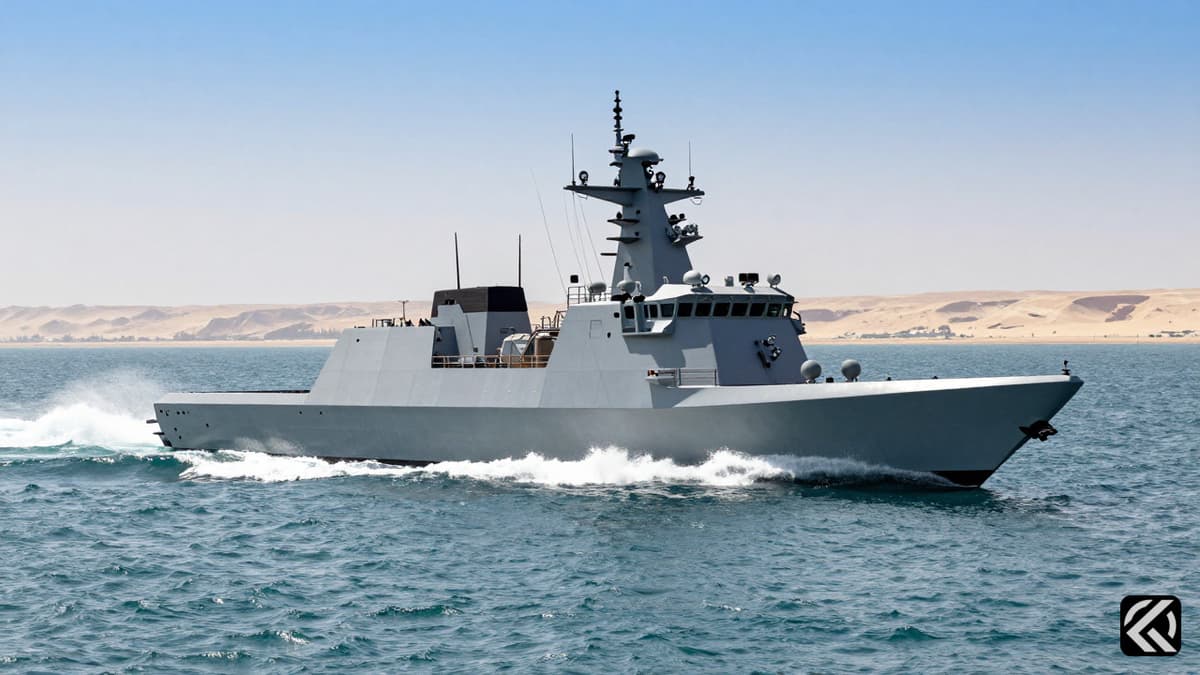
In a historic first, a US sea drone successfully rescued two soldiers from a crashed Apache helicopter near the Strait of Hormuz, highlighting new maritime security capabilities.
Two crew members of a US Army helicopter that crashed near the Strait of Hormuz on Monday were rescued by an American sea drone, US officials have told CBS News. This event marks the first such operation carried out by US forces, signaling a significant milestone in maritime rescue capabilities. US Central Command (Centcom) earlier confirmed that the two "soldiers were safely rescued within approximately two hours and are in stable condition" after their AH-64 Apache helicopter went down "near the coast of Oman while patrolling regional waters." The incident has prompted an immediate investigation to determine the cause of the downing.
The military officials who spoke to CBS News clarified that the pair had been rescued by an uncrewed surface drone that was operated by Task Force 59. In its statement on Tuesday, Centcom detailed that rescue efforts were led by US Naval Forces Central Command and the 82nd Airborne Division, with support from US Air Force and Navy units including US 5th Fleet's Task Force 59. The rescue took place at 19:33 EDT (23:33 GMT) on Monday. It was not immediately clear what type of drone was used in the rescue operation, but a US official told ABC News that it had a speed boat-like design. This successful deployment highlights the growing integration of unmanned systems in critical military operations.
In 2024, Task Force 59 launched a new unit focusing on "the operational deployment of unmanned systems teamed with manned operators to bolster maritime security across the Middle East region." The successful rescue of the Apache helicopter crew demonstrates the practical application of this strategic initiative. The use of a US sea drone in this capacity underscores the effectiveness of unmanned technology in high-stakes, time-sensitive scenarios. The rapid response time of approximately two hours indicates a high level of operational readiness and coordination among the participating military branches. The involvement of the 82nd Airborne Division and US Naval Forces Central Command further illustrates the collaborative nature of the mission.
It was not immediately clear whether the aircraft had developed a mechanical or any other technical problem, or had been downed by Iranian fire. The ambiguity surrounding the cause of the crash adds a layer of geopolitical tension to the event, as the Strait of Hormuz is a critical chokepoint for global oil shipments and a region of frequent military activity. However, the primary focus remains on the successful rescue of the personnel. The stable condition of the crew is a crucial positive outcome in what could have been a much worse situation. The investigation into the crash will likely examine both technical logs and potential external threats in the area.
The deployment of this drone highlights the evolving nature of modern warfare and rescue operations. Traditional manned rescues often carry significant risks for the rescuers, particularly in hostile or unknown environments. The use of an unmanned system mitigates these risks while potentially allowing for faster response times due to the drone's speed and agility. The speed boat-like design mentioned by the US official suggests a vessel capable of navigating rough waters and reaching distressed personnel quickly. This capability is vital in the Strait of Hormuz, where weather conditions and regional instability can complicate standard rescue procedures.
The role of Task Force 59 in this operation is significant. As a unit dedicated to maritime security in the Middle East, its proficiency with unmanned systems is directly relevant to regional stability. The launch of the new unit in 2024 focusing on "teamed" operations between unmanned and manned operators suggests a deliberate strategy to enhance capabilities through technology. This rescue mission serves as a real-world test of that strategy, proving its viability in a life-or-death scenario. The support from multiple branches of the US military indicates a high priority on the success of the mission and the welfare of the service members involved.
The incident also draws attention to the safety of US military personnel operating in the region. The Apache helicopter is a formidable attack aircraft, but its vulnerability in certain scenarios is well-documented. The ability to rely on a Task Force 59 asset for rescue provides an additional layer of security for crews operating in potentially hostile waters. This development may influence future operational planning and risk assessments for US forces in the Middle East. The stable condition of the rescued soldiers is a testament to the effectiveness of the rescue system and the professionalism of the teams involved.
The investigation into the cause of the crash will continue, with authorities examining all possible factors. Whether the crash was due to mechanical failure or hostile action, the successful rescue remains a significant achievement. The collaboration between US Central Command, the 82nd Airborne Division, and Task Force 59 demonstrates the capacity for rapid, multi-agency response in critical situations. The use of advanced technology to save lives is a powerful narrative that underscores the benefits of military innovation. As the region remains a focal point of international security, such capabilities are increasingly valuable.
The successful rescue of two US Army soldiers by a sea drone near the Strait of Hormuz establishes a new precedent for military rescue operations. This event validates the strategic investments made in unmanned systems by Task Force 59 and other military branches. The integration of unmanned technology into rescue protocols is likely to expand, reducing risks to human rescuers and improving survival rates for distressed personnel. Future operations in the region may increasingly rely on these capabilities, reshaping how maritime security is conducted. The stable condition of the crew and the swift resolution of the immediate crisis highlight the effectiveness of this new approach. As geopolitical tensions persist, the ability to rapidly deploy unmanned assets for rescue and security purposes will become a critical component of US military strategy in the Middle East.
Jun 9, 2026 18:37 UTC
Israel Strikes Tyre Despite Iranian Warnings
Jun 9, 2026 14:27 UTC
US Sea Drone Saves Army Helicopter Crew Near Strait of Hormuz
Jun 9, 2026 04:31 UTC
India Condemns Pakistan’s ‘Fitna al Hindustan’ Narrative at UN
Jun 9, 2026 02:39 UTC
US Warplane Strikes Tanker MT Marivex; Crew Evacuated in Gulf of Oman
Jun 9, 2026 20:58 UTC
Trump Demands U.S. Action as Iran Shoots Down Second Aircraft


