Tensions surge as the U.S. confirms a second aircraft loss to Iran, challenging the shaky April ceasefire and complicating diplomatic efforts to end the West Asia conflict.
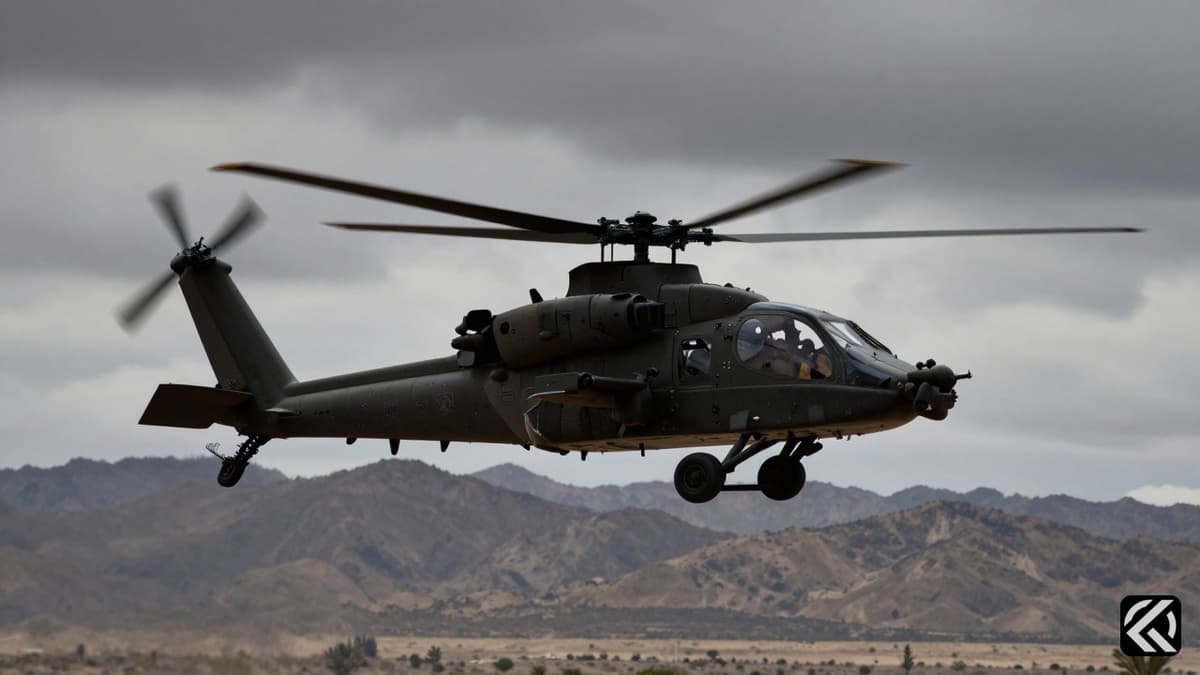
The United States is facing escalating military tensions in West Asia after President Donald Trump declared that Washington "must" respond following the downing of a U.S. military helicopter by Iran. On Tuesday, June 9, 2026, the White House confirmed that the Apache helicopter was shot down, marking a significant deterioration in the security situation for American forces operating in the region. This event underscores the volatility of the current geopolitical landscape, where diplomatic channels are strained under the weight of direct military engagements between the two nations. The confirmation of the loss adds a layer of urgency to the ongoing struggle to negotiate an end to the wider war that has engulfed West Asia.
The downing of the Apache helicopter is not an isolated incident but rather the second confirmed loss of a crewed aircraft to Iranian forces during this conflict. Earlier in April, Washington had confirmed that an F-15 fighter plane was also shot down by Iran. These successive losses highlight the severe risks faced by U.S. military assets in the theater and suggest a deliberate escalation in Iranian military capabilities or willingness to engage American forces directly. The prospect of a U.S. military response to this latest attack poses a serious threat to the already shaky ceasefire that has been in place since April 8.
The timing of this escalation is particularly delicate, as both the United States and Iran have been engaged in weeks of high-stakes negotiations aimed at ending the war. The loss of the helicopter complicates these diplomatic efforts, potentially hardening positions on both sides and reducing the trust necessary for a successful agreement. The incident serves as a stark reminder that while negotiations continue, active hostilities and threats persist, keeping the region on edge.
The reaction to these military developments reveals a growing divergence in strategy between U.S. President Donald Trump and Israeli Prime Minister Benjamin Netanyahu, who had previously started the war in lockstep. Mr. Trump had publicly warned Israel not to strike Beirut during its conflict with Iran-backed Hezbollah militants, attempting to contain the conflict's spread. However, when Israel launched strikes on Beirut on Sunday, June 7, 2026, Iran responded by firing ballistic missiles at Israel for the first time since the April ceasefire was established.
In the immediate aftermath of the Iranian missile strikes, Israeli Prime Minister Benjamin Netanyahu announced that the "fire on that front is contained." This statement came hours after Tehran claimed to have stopped its military action, leading some to believe that the crisis was de-escalating. However, Mr. Netanyahu’s acknowledgment of the halt in fighting was coupled with a vow to respond "with force" to any future attacks, signaling that Israel remains on high alert and prepared for further escalation.
This divergence in approach highlights the complexity of the alliance between the United States and Israel. While Mr. Netanyahu focuses on immediate military containment and deterrence, Mr. Trump appears to be balancing military posturing with diplomatic negotiations. The U.S. president’s insistence on a response to the Apache downing contrasts with his earlier warnings against Israeli strikes, suggesting a multifaceted and potentially contradictory policy aimed at managing the crisis without triggering a broader regional war.
The recent chain of events illustrates how military actions on the ground can rapidly undermine diplomatic progress. The firing of ballistic missiles by Iran after the Beirut strikes, followed by Israeli counter-strikes, created a cycle of retaliation that the Apache helicopter incident has now intensified. As the U.S. considers its response, the international community watches closely to see whether diplomatic avenues can still be salvaged or if the region is sliding toward a wider conflict.
The situation in West Asia remains precarious, with multiple flashpoints threatening to ignite further violence. The loss of two crewed aircraft to Iranian fire demonstrates the high stakes involved for U.S. military personnel and the determination of Iranian forces to challenge American presence in the region. Meanwhile, the diplomatic rift between the U.S. and Israel over strategies regarding Hezbollah and Beirut complicates the unified front that was previously evident at the start of the war.
As negotiations continue, the pressure on both Mr. Trump and Iranian leadership to find a resolution is immense. Any misstep in military response could derail the talks entirely, leading to a prolonged conflict with unpredictable consequences. The coming days will be critical in determining whether the "must respond" stance of the U.S. government leads to a calibrated military action or a broader escalation, and how Mr. Netanyahu’s vows of future force will intersect with these developments.
The downing of the Apache helicopter and the subsequent calls for a U.S. response mark a critical juncture in the West Asia war. While President Trump seeks to balance military deterrence with diplomatic negotiations, the actions of Iran and the divergent strategies of allied leaders like Benjamin Netanyahu threaten to destabilize the fragile ceasefire. If diplomatic efforts fail to bridge the gap between military posturing and political resolution, the region risks entering a new phase of intense conflict. The long-term impact will depend on whether the U.S. can leverage its military strength to force a return to the negotiating table or if the cycle of retaliation will continue to escalate, undermining peace prospects for the foreseeable future.
Jun 9, 2026 20:58 UTC
Trump Demands U.S. Action as Iran Shoots Down Second Aircraft
Join 50,000+ readers getting the global briefing every morning.
No spam. Unsubscribe anytime.
Jun 9, 2026 16:42 UTC
IAB Framework Data Practices and User Privacy Choices
Jun 9, 2026 16:07 UTC
Madhya Pradesh Congress Departs for Bengaluru to Avoid Rajya Sabha Elections Pitfalls
Jun 9, 2026 14:27 UTC
US Sea Drone Saves Army Helicopter Crew Near Strait of Hormuz
Jun 9, 2026 14:12 UTC
Madhya Pradesh Congress MLAs Board Flight to Bengaluru Amid Rajya Sabha Elections Tensions


