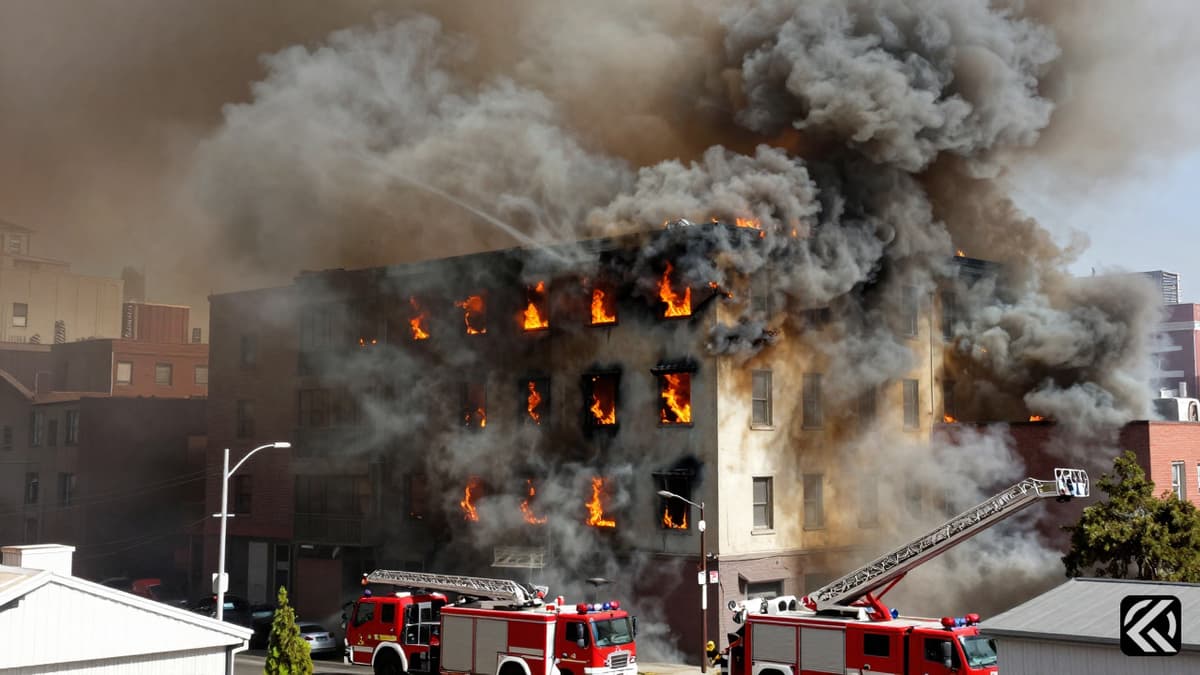
Tragedy strikes New Delhi as a deadly hotel fire claims 21 lives, including 18 foreigners. The blaze in Malviya Nagar highlights safety risks for international medical tourists.
The catastrophic events unfolding in Malviya Nagar have left a deep scar on the Indian capital, as a massive fire tore through a commercial and residential building, resulting in significant loss of life and widespread distress among the international community.
In one of the deadliest incidents in recent years, authorities confirmed that a raging fire has claimed at least 21 lives, a staggering figure that includes 18 foreign nationals. The tragedy occurred in the southern part of New Delhi, specifically within the predominantly residential and densely populated Malviya Nagar neighborhood, which is known for its popularity among students and young professionals. The blaze struck a mixed-use structure housing a restaurant on the ground floor and a hotel on the upper levels, turning a routine afternoon into a scene of chaos and emergency.
According to reports from CNN-News18 and the Indian Express, the victims comprised citizens from Bangladesh, Nigeria, Mozambique, and Liberia. Many of these individuals had traveled to New Delhi specifically for medical treatment, a common practice for international patients who often utilize nearby residential accommodations during their stay. The presence of so many foreign guests highlights the vulnerability of the medical tourism sector to infrastructure failures and safety lapses.
The fire, which broke out on Wednesday, required a massive coordinated response from local authorities. Delhi police stated that eight fire engines were deployed to combat the intense flames. Rescue teams managed to save more than 40 people, who were subsequently rushed to nearby hospitals for urgent medical attention. The scale of the emergency was evident in the television footage broadcast globally, showing dramatic scenes of people trapped inside as flames and thick smoke swept through the building. Some desperate individuals were seen jumping from a higher floor in a desperate bid for survival, while others waited for rescue amidst the encroaching fire.
Local residents played a crucial role in the immediate aftermath, joining the official rescue efforts to help evacuate those who could not escape on their own. Some civilians carried injured individuals to safety, demonstrating the community's immediate reaction to the crisis. Delhi police issued a statement expressing profound sorrow, confirming that 21 persons have been declared dead. The force emphasized that all concerned agencies remained deployed at the spot to ensure every possible assistance to those affected, though the loss remains heavy.
While the precise cause of the New Delhi hotel fire is still under investigation, local administration officials have pointed to the ground-floor restaurant as the likely origin point. Jitendra Kumar, a local administration official, told reporters that it is most likely the fire was connected to the restaurant operating on the ground floor. This aligns with broader concerns about safety in the region, as building fires are relatively common in India due to inadequate firefighting equipment and a frequent disregard for safety regulations. The prevalence of such incidents underscores the critical need for stricter enforcement of fire codes in densely populated urban areas.
The international community and local authorities have rallied in the wake of the tragedy. Prime Minister Narendra Modi addressed the incident, describing the loss of lives as tragic and extending his heartfelt condolences to the families of the deceased. He also wished a speedy recovery to the injured, signaling the government's attention to the humanitarian aspect of the disaster. The incident has sparked urgent conversations about the safety standards for establishments catering to international visitors, particularly in sectors like medical tourism where regulatory oversight is vital.
This disaster serves as a stark reminder of the latent dangers in urban infrastructure, particularly regarding fire safety in mixed-use buildings. The high number of foreign casualties suggests that many international patients may be staying in accommodations that do not meet strict safety protocols, relying on outdated residential structures rather than certified hotels. In the coming months, it is highly probable that regulatory bodies will launch a comprehensive audit of all guest houses and medical tourism accommodations in the Malviya Nagar area. Furthermore, the incident will likely prompt the Delhi government to impose stricter penalties for negligence regarding fire safety regulations in commercial-residential hybrids. The long-term impact on New Delhi’s reputation as a medical tourism hub will depend on how swiftly and transparently authorities address these systemic failures, ensuring that such a tragedy does not recur for future international patients seeking care in the capital.
Jun 9, 2026 02:39 UTC
US Warplane Strikes Tanker MT Marivex; Crew Evacuated in Gulf of Oman
Join 50,000+ readers getting the global briefing every morning.
No spam. Unsubscribe anytime.
Jun 9, 2026 00:00 UTC
INDIA Bloc Leaders Gather in Delhi to Forge Strategic Unity
Jun 8, 2026 22:55 UTC
Netanyahu Vows Forceful Response to Future Iran Attacks
Jun 8, 2026 20:56 UTC
Netanyahu Halts Iran Fighting, Vows Future Force
Jun 8, 2026 20:54 UTC
Justice Department Moves to Strip Citizenship from 17 Individuals


